

 Phoenix 24
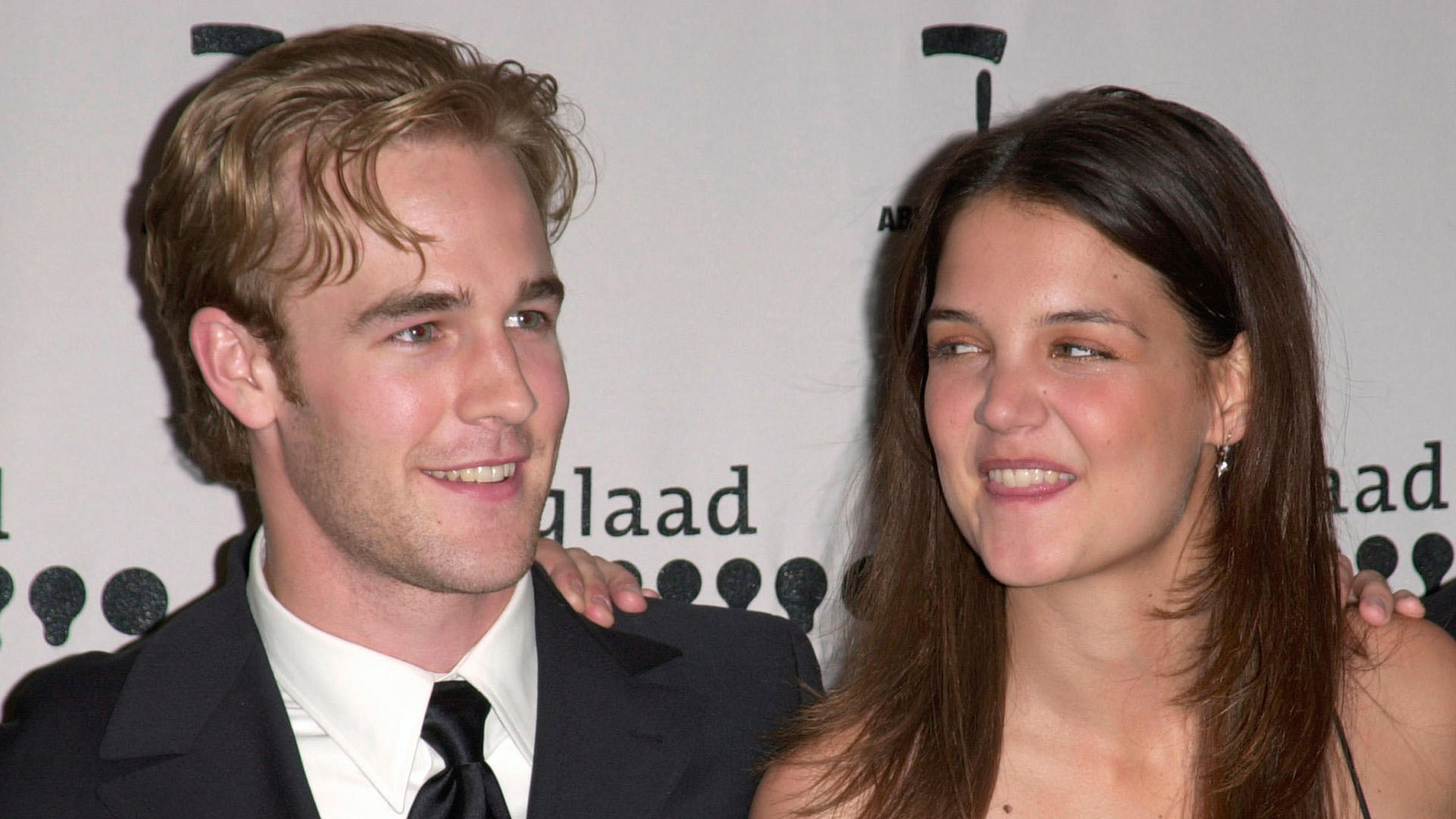
Not a press statement, but a memory held up to the light.
New York, February 2026.
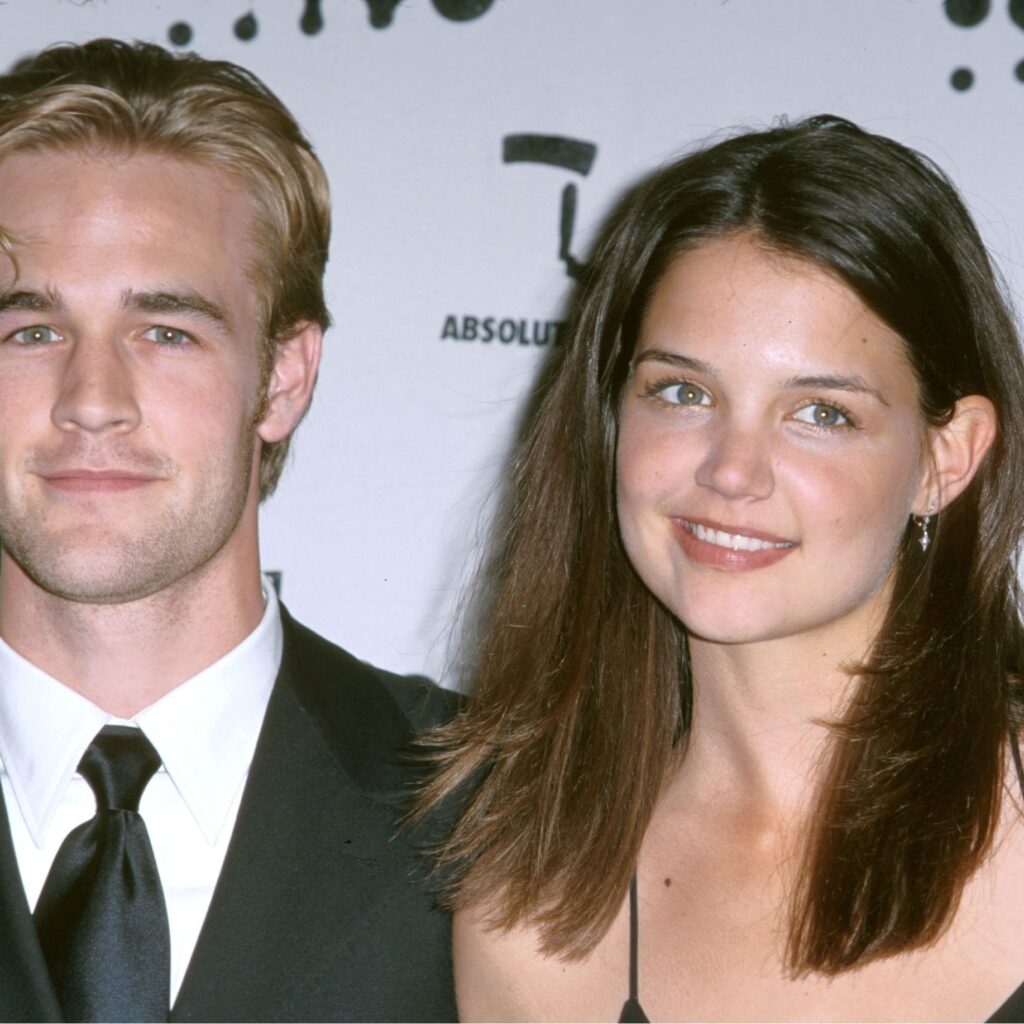
Some goodbyes read like a brand safeguard. Others feel like a page torn from the right notebook. Katie Holmes’s handwritten tribute to James Van Der Beek belongs to the second category: it does not try to manage the narrative, it tries to carry it. Instead of listing achievements or repeating industry formulas, Holmes anchors the farewell in what usually stays off camera: shared laughter, long conversations about life, songs that become emotional passwords, and the sense of a singular youth.
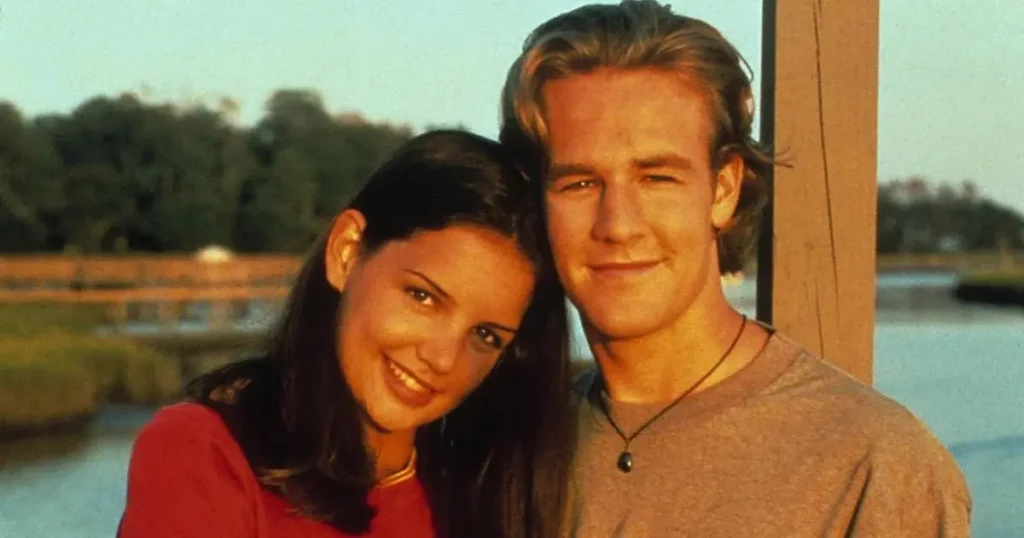
That phrase functions as a generational key. Dawson’s Creek was not only a hit series; it was a rite of passage for the cast and for the audience. For those inside the production, the set could operate as an identity lab. For those watching from home, it became a sentimental grammar for naming desire, fear, and contradiction. When Holmes writes, she is not speaking as a celebrity asset or a media brand. She is speaking as someone remembering a time when everything still had to be defined, and therefore any real bond mattered more than people understood at the time.

The handwritten choice matters, too. In a culture where grief is often compressed into a clean caption, handwriting keeps human friction: it shows pause, uncertainty, breath. There is no algorithmic polish that fully translates the tremor of a line. That is why the gesture feels intimate, almost intrusive, as if the public is reading the edge of a private conversation. It also introduces something rare: silence inside the noise. Online, death quickly reactivates clips, old interviews, and recycled jokes, but a handwritten note forces a stop. Behind the digital archive is a person who will not return, and people who will miss him.
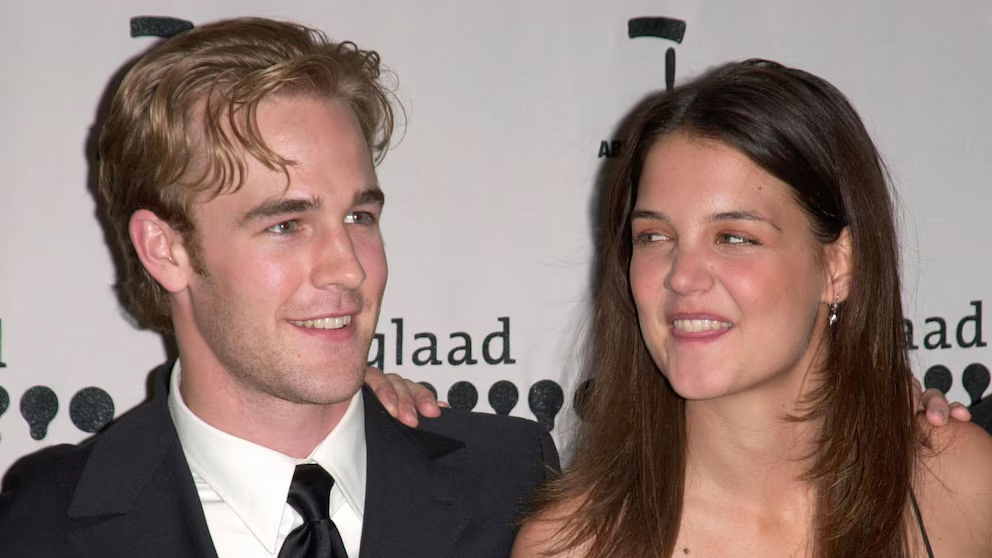
Holmes describes Van Der Beek as the kind of colleague whose imagination could be shared, someone who created a safe space for vulnerability on set. This is not romantic language; it is professional diagnosis. In television, especially in long running series, talent becomes infrastructure: you need emotional consistency, discipline, and a baseline ethic of mutual care. When Holmes emphasizes his bravery and kindness, she is naming the type of person who holds a team together when fatigue turns sharp and routine threatens to hollow everything out.
News of his death at 48 restructures that memory with violence. Reports indicated he had faced colorectal cancer, an illness he had spoken about publicly. That adds another layer: the difference between knowing someone as a character and understanding him as a human being who fought, endured, and chose to disclose parts of the experience. That kind of openness can work as social generosity, not spectacle: it reduces stigma and expands the space for prevention conversations that people often avoid until it is too late.
Holmes’s tribute also crosses a boundary many public condolences sidestep: it shifts the focus from icon to family. She references his wife, Kimberly, and their six children, and the message carries a quiet insistence that the epicenter of grief is not pop culture, but a household. In the fame economy, death can become symbolic property for the public; Holmes returns the event to its real scale: the daily absence, the empty chair, the routines that no longer close correctly.

That is why the note lands. It is not trying to win the conversation; it is trying to protect something. It protects a shared history and, at the same time, reduces it to what matters: friendship. In an era of image, friendship is an undervalued data point, yet it is the one that best explains what lasts. Projects end; companionship becomes memory. Holmes is not saying, “watch me grieve.” She is saying, “this existed,” and “this mattered,” without demanding attention and without turning loss into performance.
What remains is not only TV nostalgia, but a lesson in how to mourn publicly without betraying the intimate. Use concrete details. Use gratitude. Refuse to convert grief into campaign. And reach for the simplest, hardest move in language: name human love without owning it, then let it go with dignity.
Behind every data point, there is an intention. Behind every silence, a structure.