

 Phoenix 24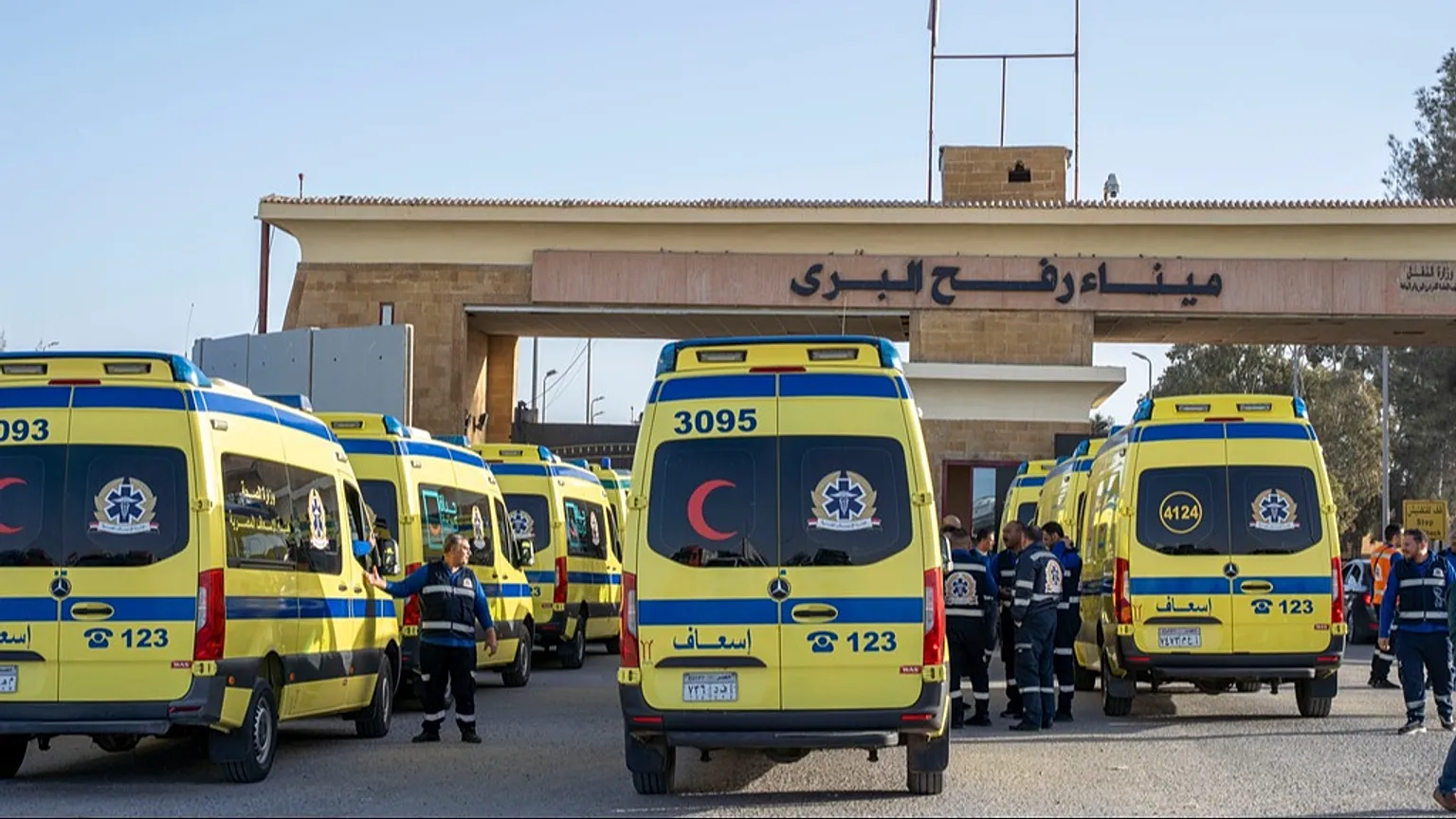
When borders reopen without freedom, movement becomes a managed illusion.
Rafah, February 2026. Israel has authorized the reopening of the Rafah border crossing between Gaza and Egypt, ending a prolonged closure but under conditions so restrictive that the measure functions more as a calibrated signal than a genuine restoration of mobility. The reopening allows only limited traffic, primarily humanitarian and medical cases, reinforcing a model in which access is granted selectively rather than as a right.
The Rafah crossing holds unique strategic significance. It is Gaza’s only exit point not directly controlled by Israel, yet its operation remains subject to Israeli security approval and regional coordination. Its closure over the past years contributed to Gaza’s near total isolation, transforming movement into an exception rather than a norm. The decision to reopen it now reflects neither normalization nor de-escalation, but a tightly managed adjustment within an ongoing conflict architecture.
According to the conditions established, only a small number of individuals are permitted to cross daily, with priority given to patients requiring urgent medical treatment and a limited number of companions. Commercial traffic remains excluded, and the flow of goods continues to be restricted. The crossing operates under heavy monitoring, reinforcing the logic that mobility is contingent, revocable, and subordinated to security calculus.
Politically, the reopening serves multiple audiences. For Israel, it projects responsiveness to humanitarian pressure without conceding strategic control. For Egypt, it restores a limited operational role while avoiding deeper entanglement. For international actors, it offers a symbolic gesture that can be cited as progress without altering the structural conditions that define Gaza’s confinement.
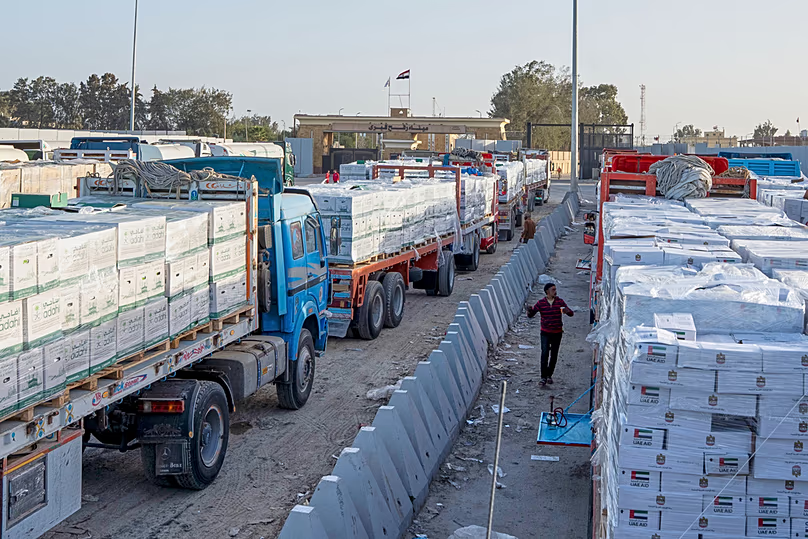
On the ground, the impact is tangible but narrow. For those allowed to cross, the reopening represents access to medical care and temporary relief. For the broader population, it underscores the persistence of a system in which borders function less as lines of passage and more as instruments of regulation. The reopening does not dismantle the blockade logic; it refines it.
The Rafah crossing thus reopens not as a gateway, but as a valve. Its operation can be expanded, reduced, or halted in response to political developments, reinforcing uncertainty as a permanent condition. In this framework, humanitarian movement is decoupled from political resolution, allowing limited alleviation without structural change.
What emerges is a familiar pattern in contemporary conflict management: controlled openings presented as breakthroughs, while the underlying mechanisms of restriction remain intact. The reopening of Rafah does not signal the end of isolation, but the evolution of its management.
Behind every data point, there is an intention. Behind every silence, a structure.