

 Phoenix 24
Experience transformed an apparent defeat into victory, but the dramatic ending placed the young challenger’s health above the title.
LONDON, UNITED KINGDOM
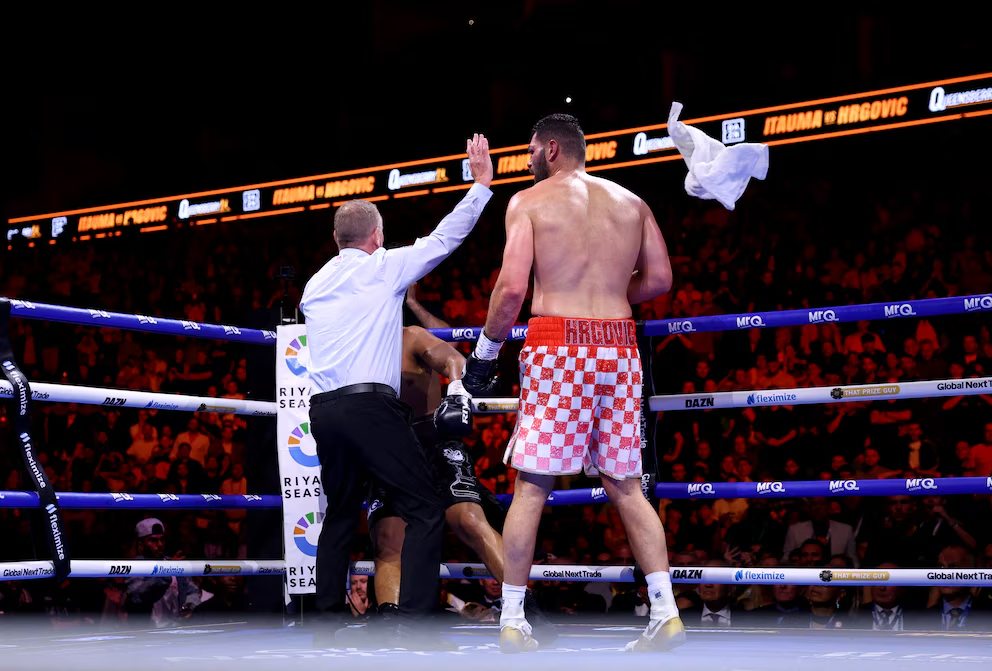
Filip Hrgović became Croatia’s first heavyweight world champion after stopping 21-year-old Moses Itauma in the ninth round at London’s O2 Arena. The 34-year-old secured the vacant International Boxing Federation title when Itauma’s corner threw in the towel as the exhausted British fighter absorbed a sustained attack against the ropes.
Itauma entered undefeated in 14 professional contests and was attempting to become the second-youngest heavyweight champion after Mike Tyson. His speed and combinations controlled the opening rounds, and he knocked Hrgović down in the second. The Croatian recovered quickly, however, and continued absorbing powerful attacks while waiting for the pace to become unsustainable.
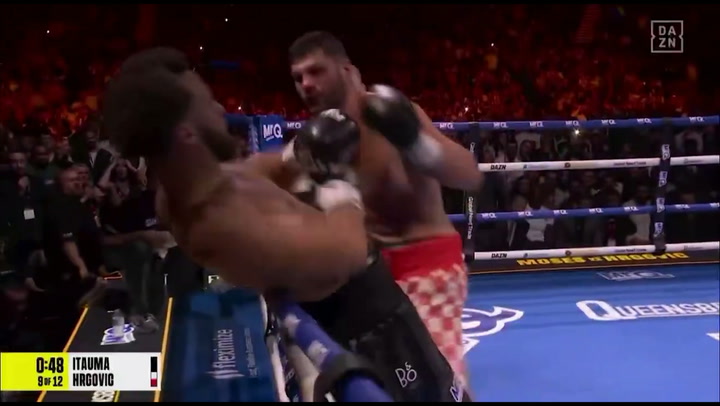
The strategic balance shifted after the sixth round, a distance Itauma had never previously exceeded as a professional. His movement slowed, his punches became less precise and a reported leg injury further restricted him. Hrgović, despite trailing on the scorecards, increased his pressure as the younger boxer’s energy disappeared.
Trainer Ben Davison stopped the fight during the ninth round to protect Itauma from further punishment. Medical personnel administered oxygen before removing him from the ring on a stretcher and transporting him to hospital. Subsequent examinations reportedly found no serious neurological injury, and Queensberry Promotions confirmed that he was discharged to continue recovering at home.
Hrgović improved his professional record to 22 victories and one defeat, completing a comeback after his previous loss to Daniel Dubois. He credited durability and experience for surviving Itauma’s early dominance, describing his opponent as an exceptional talent who had simply exhausted himself. The new champion has expressed interest in unification fights, although IBF contender Frank Sánchez is expected to hold a claim to the next title opportunity.
The contest exposed both the promise and the risk surrounding Itauma’s accelerated development. His talent allowed him to dominate an experienced contender, but his limited experience beyond the early rounds left unanswered questions about pacing, endurance and adaptation under pressure. Defeat does not erase his potential, yet the medical scenes after the stoppage demonstrate why heavyweight boxing cannot treat resilience as an unlimited resource.
Detrás de cada dato, la intención. / Behind every data point, the intention.