

 Phoenix 24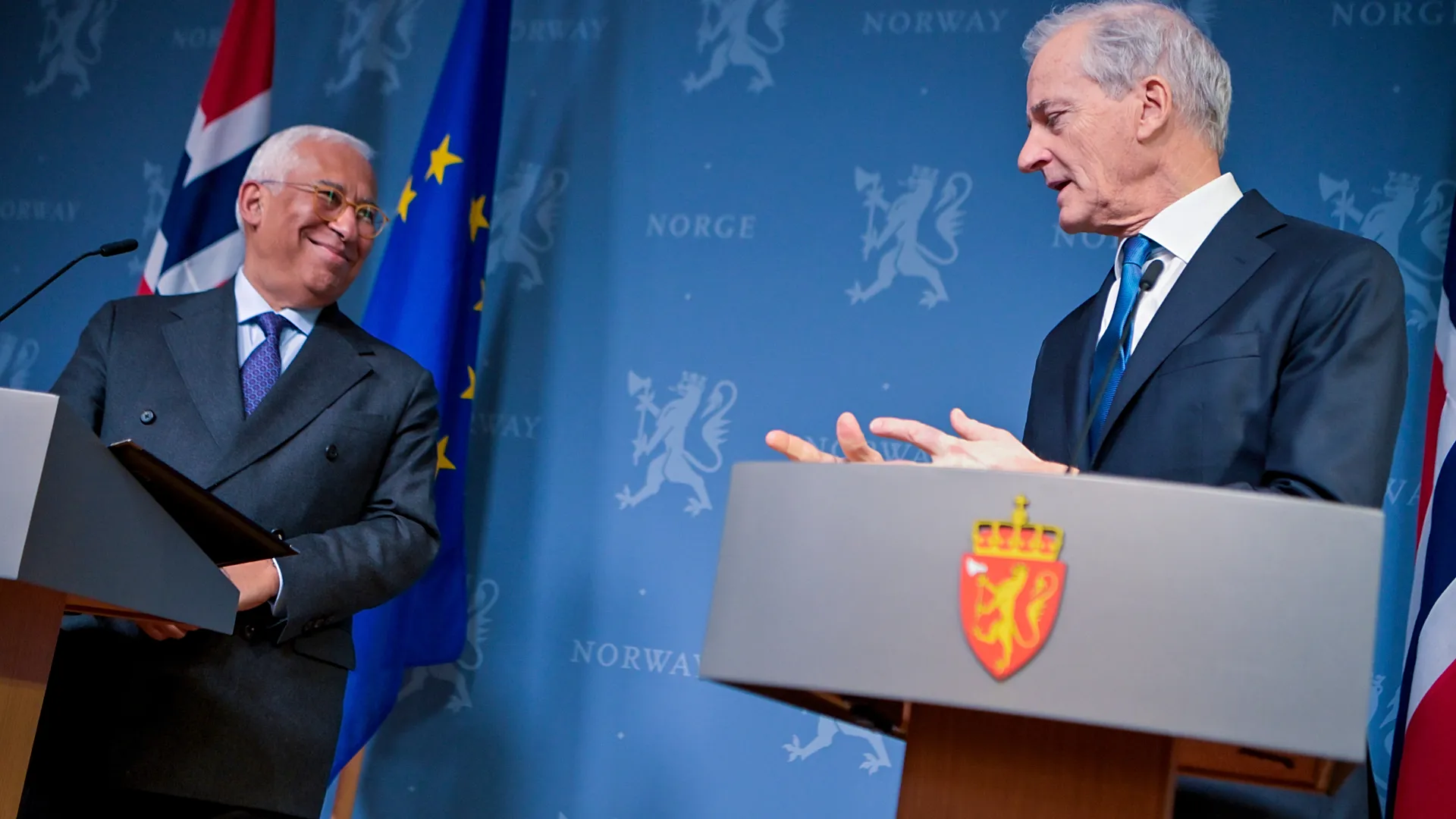
One Nordic decision may transform the political position of another.
REYKJAVÍK, ICELAND | AUGUST 2026
Icelanders will vote on August 29 on whether their government should resume negotiations to join the European Union. The referendum will not decide membership itself. A victory for the “Yes” campaign would reopen talks with Brussels, while any eventual accession agreement would require approval in a second national vote.
A poll conducted shortly before the referendum placed support for restarting negotiations at 51.3 percent, compared with 48.7 percent opposed. The narrow margin reflects continuing divisions over fisheries, agriculture, sovereignty and the possible adoption of the euro. Supporters argue that Iceland should participate in shaping EU rules it already follows, while opponents fear losing control over resources central to the country’s economy and identity.
Iceland already belongs to the European Economic Area, the Schengen zone and the European Free Trade Association. It therefore participates extensively in the EU single market without holding a vote in the bloc’s institutions. Accession negotiations began after the 2008 financial crisis but were later suspended as political resistance increased, particularly over the EU’s Common Fisheries Policy.
The outcome will be closely watched in Norway. The EEA currently extends the European single market to Iceland, Liechtenstein and Norway. If Iceland eventually joins the EU, the arrangement would be reduced to Norway and Liechtenstein, leaving Oslo as the only major country participating in the single market without representation at the European decision-making table. Norwegian Foreign Minister Espen Barth Eide has acknowledged that such a development would create particular challenges for his country.
Norway rejected EU membership in referendums held in 1972 and 1994, with 53.5 percent and 52 percent voting against accession. Public opinion remains cautious: a recent poll found 49 percent opposed to joining and 37 percent in favour. Fisheries, farming and sovereignty continue to shape resistance, while political leaders remain aware that previous referendum campaigns divided parties, communities and families.
A positive Icelandic vote would not automatically bring Norway closer to membership, but it could weaken the argument that the EEA offers a stable long-term alternative to joining the EU. Pro-European parties would probably use Iceland’s negotiations to revive the debate, particularly if Reykjavík secures protections for its fishing industry. Whatever Iceland decides, Norway will face greater pressure to define whether influence from outside the Union remains sufficient in a more integrated and uncertain Europe.
Información que anticipa futuros. / Information that anticipates futures.