

 Phoenix 24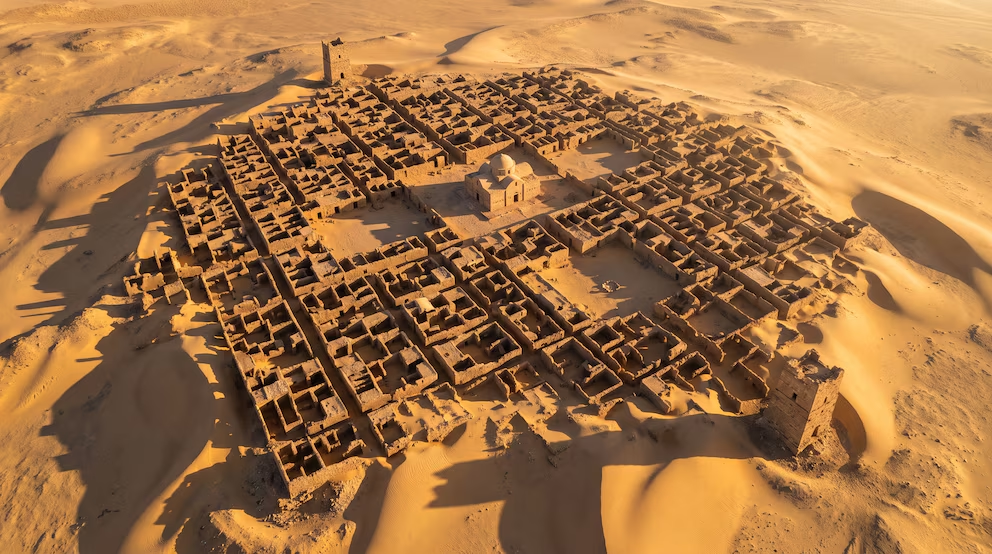
The discovery reveals faith, trade and everyday life.
DAKHLA OASIS, EGYPT — July 2026. Egyptian archaeologists have uncovered a remarkably preserved Byzantine-era settlement at Ain Al-Sabil in the country’s Western Desert. Dating to the fourth century, the site contains organized streets, public spaces, residential areas and defensive structures. The discovery offers a detailed view of urban life far beyond the Nile Valley.
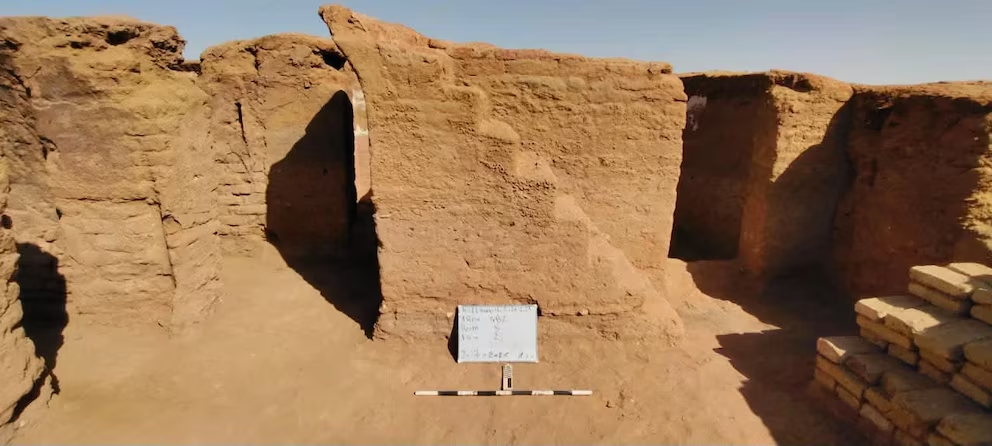
Excavations revealed a basilica-style church, two watchtowers and a fortified building within the settlement. Archaeologists also identified vaulted houses, kitchens, bread ovens and stone tools used for grinding grain. These structures indicate the existence of a planned community capable of sustaining domestic, religious and commercial activity in a demanding desert environment.
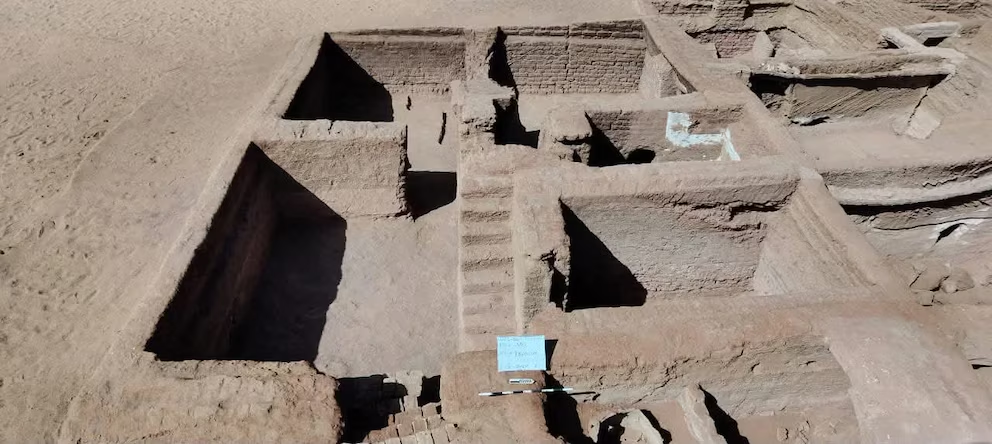
One residence is believed to have belonged to a deacon named Tisous and may have served as a Christian gathering place before the basilica was constructed. The building suggests that religious practice developed gradually from private spaces into more formal institutions. Christian symbols found throughout the site confirm the importance of faith within the community.
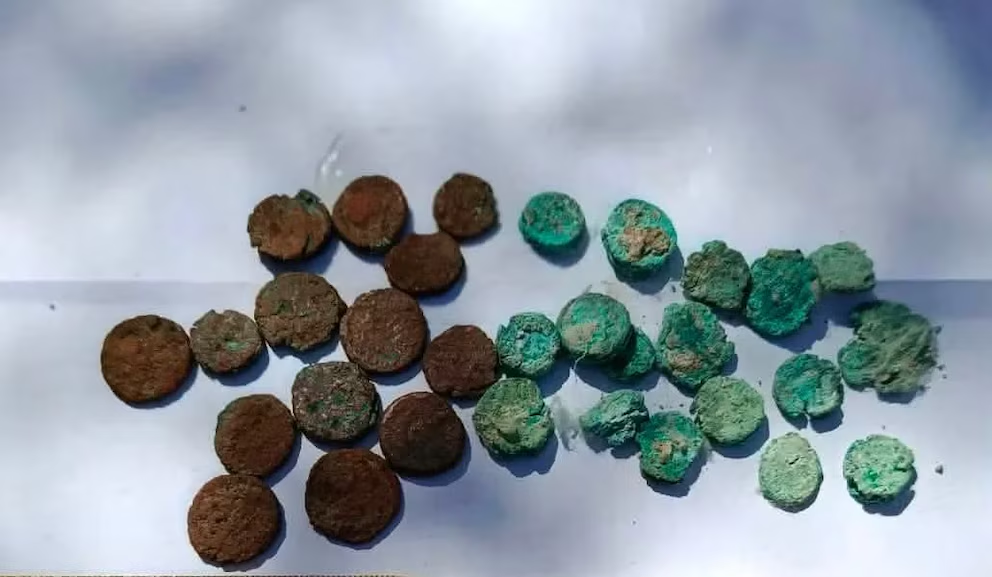
Researchers recovered bronze and gold coins, ceramic objects and nearly 200 inscribed pottery fragments known as ostraca. Written in Coptic and Greek, the texts document transactions, communications and aspects of everyday life. The findings preserve not only monumental architecture, but also traces of the ordinary people who inhabited the oasis around 1,600 years ago.
The discovery strengthens the archaeological importance of Dakhla Oasis and could support Egypt’s efforts to expand cultural tourism beyond its most famous ancient monuments. Further excavation may clarify how the settlement interacted with regional trade routes and survived in one of North Africa’s harshest landscapes.
The desert preserved not only a city, but the lives once lived inside it.