

 Phoenix 24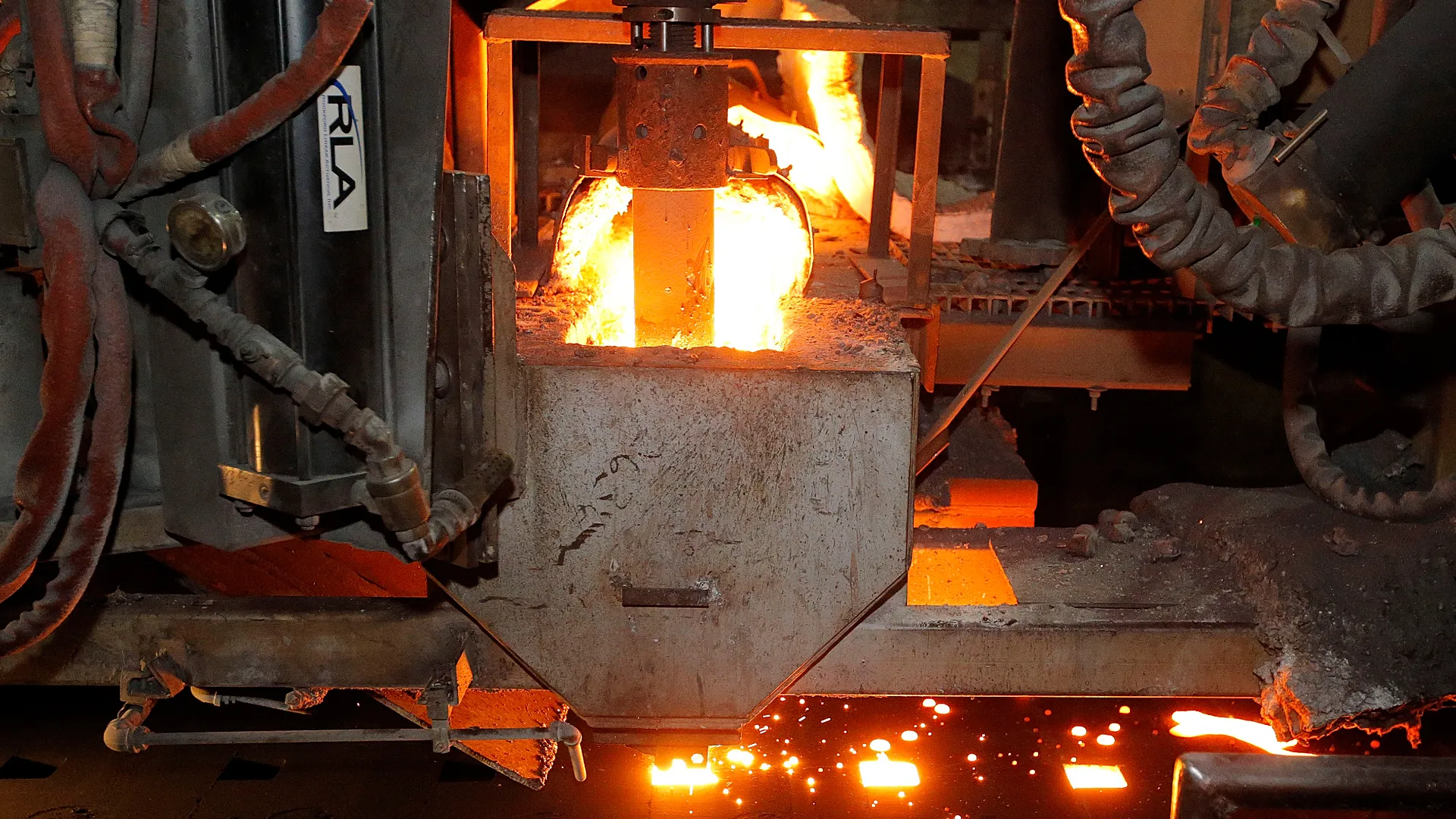
Food processing and advanced metals drive a new economic strategy.
TASHKENT, UZBEKISTAN — July 2026. Uzbekistan is accelerating a multibillion-dollar industrial strategy aimed at exporting more processed foods, specialized metals and high-value minerals. The government wants to reduce its dependence on raw-material sales and retain a greater share of the wealth generated by domestic production. By 2030, authorities expect the food-processing sector to reach a value of $10 billion. The broader plan also includes $4.2 billion in technological-metal projects.
Agriculture is one of the main pillars of the initiative. Uzbekistan produces around 24 million tonnes of fruits and vegetables each year, but a significant portion still leaves the country with limited processing. Authorities now seek to expand packaging, bottling, preservation and certification capacity. Exports of agricultural and processed food products could reach $4.5 billion this year.
The country is also strengthening halal, organic, ISO and international agricultural certifications to access more profitable markets. Better laboratories and stricter quality controls will be essential to prevent shipments from being rejected abroad. Transport infrastructure and energy reliability will remain major challenges because Uzbekistan has no direct access to the sea. Greater private investment will also depend on regulatory stability and predictable commercial rules.
In mining and metallurgy, new projects seek to transform minerals into products with significantly higher market value. Planned facilities are expected to produce 880,000 tonnes of steel sheet annually, including more than 200,000 tonnes for export. Specialized alloy steel can generate several times more income than conventional construction materials. Copper processing and advanced manufacturing could also increase the profitability of the country’s largest mining operations.
The strategy arrives as international confidence in Uzbekistan’s economy improves, but rapid expansion will require stronger oversight and transparent licensing procedures. Specialists warn that industrial growth must not weaken environmental protections or allow private interests to capture public resources. Uzbekistan’s central challenge is to convert abundant production into sustainable national development. Success would move the country from being primarily a supplier of commodities to becoming a competitive producer of higher-value goods.
Uzbekistan wants to export less raw material and more economic value.