

 Phoenix 24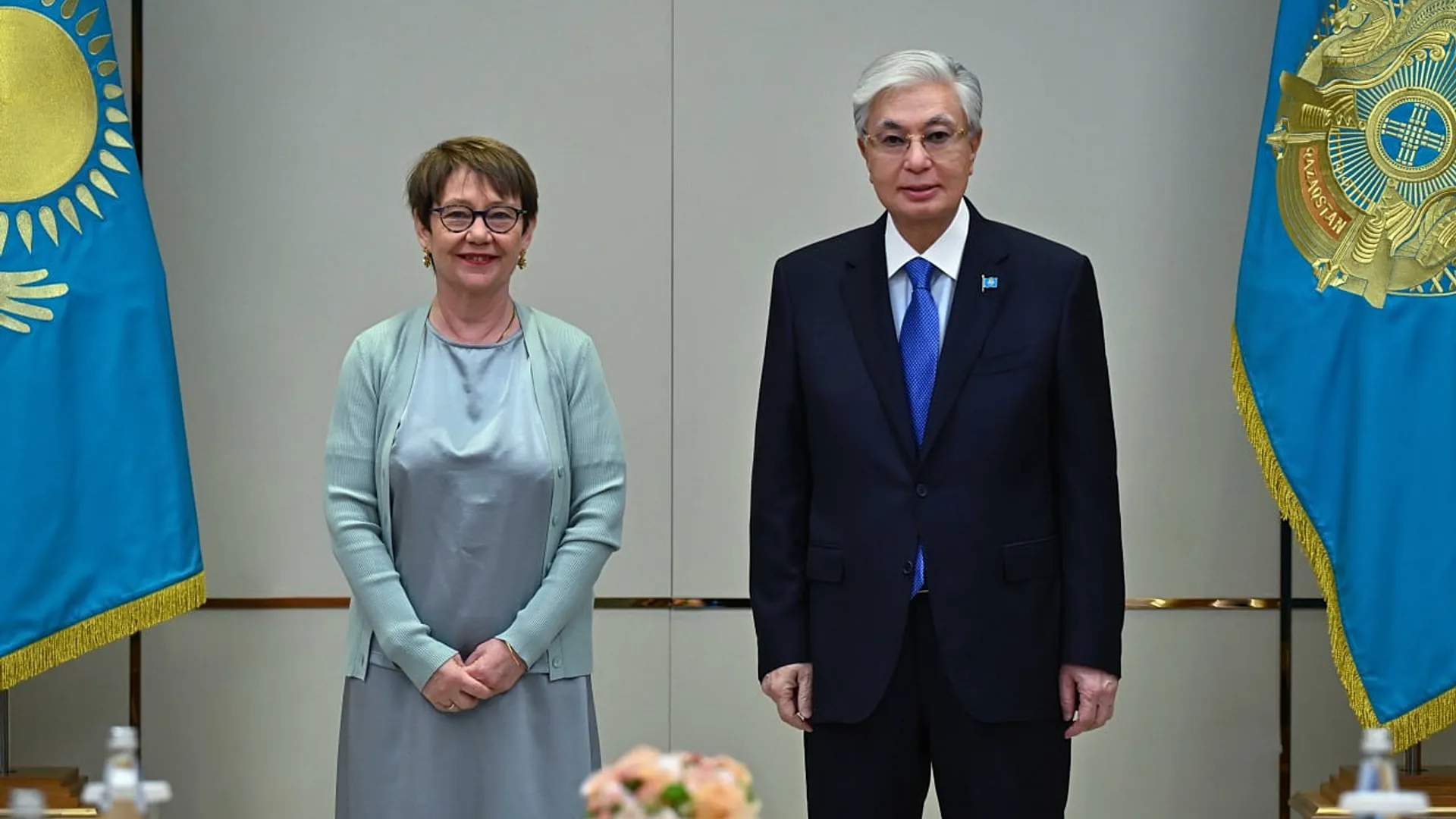
New gold facility will expand domestic processing capacity.
ASTANA, KAZAKHSTAN — July 2026. The European Bank for Reconstruction and Development has approved a €255 million loan to support Kazakhstan’s first large-scale facility for processing refractory gold ore, strengthening the country’s position within the global mineral value chain. The financing will contribute to the construction of the Ertis hydrometallurgical complex in the Pavlodar region, where advanced pressure-oxidation technology will be used to treat mineral concentrates that cannot be processed through conventional methods. Solidcore Resources is developing the project, which is expected to handle as much as 278,500 tonnes of gold concentrate annually. The investment is intended to allow Kazakhstan to process a larger share of its mineral production domestically instead of exporting lower-value raw materials.
Approximately half of Kazakhstan’s known gold resources are reportedly contained in refractory ores, making them difficult or economically unviable to exploit without specialized industrial technology. The new complex will introduce pressure oxidation at commercial scale, creating the infrastructure required to unlock deposits that have remained largely inaccessible. Once operational, the plant is expected to establish a new metallurgical segment within the Kazakh economy and expand the production of higher-value mineral products. The project could also improve the competitiveness of local mining companies by giving them access to domestic processing capacity.
Mining already contributes around 12 percent of Kazakhstan’s gross domestic product and represents nearly one-third of its raw-material exports. However, the country is seeking to move beyond its traditional role as a supplier of unprocessed commodities by developing refining, processing and advanced manufacturing capabilities. EBRD President Odile Renaud-Basso said the Pavlodar project could help Kazakhstan climb the mineral value chain while attracting further investment into industrial processing. The facility may become the first project in a broader portfolio focused on transforming Kazakhstan’s mineral wealth into products with greater economic value.
The bank has emphasized that regulatory stability, transparent geological information and predictable investment rules will be essential for attracting additional international capital. Global demand for processed minerals is expected to remain strong as artificial intelligence, digital infrastructure, renewable energy and clean technologies require increasingly sophisticated supply chains. Kazakhstan possesses extensive mineral reserves and occupies a strategic position between European and Asian markets, but long-term growth will depend on its ability to provide investors with reliable institutions and modern infrastructure. Continued reforms could therefore determine whether the country develops into a regional processing hub or remains primarily dependent on commodity exports.
The EBRD expects its total investment in Kazakhstan to reach approximately €1.3 billion by the end of 2026, supported by projects involving renewable energy, transportation, water infrastructure and private-sector development. The bank has already invested more than €11 billion across over 340 projects in the country, making it one of Kazakhstan’s largest institutional investors. It is also promoting the use of artificial intelligence to modernize customs procedures, border management and freight transportation along the Middle Corridor connecting Europe and Asia. Through the Ertis complex, Kazakhstan is combining mineral processing, industrial modernization and digital development within a broader strategy for sustained economic diversification.
Kazakhstan is turning mineral wealth into greater industrial value.