

 Phoenix 24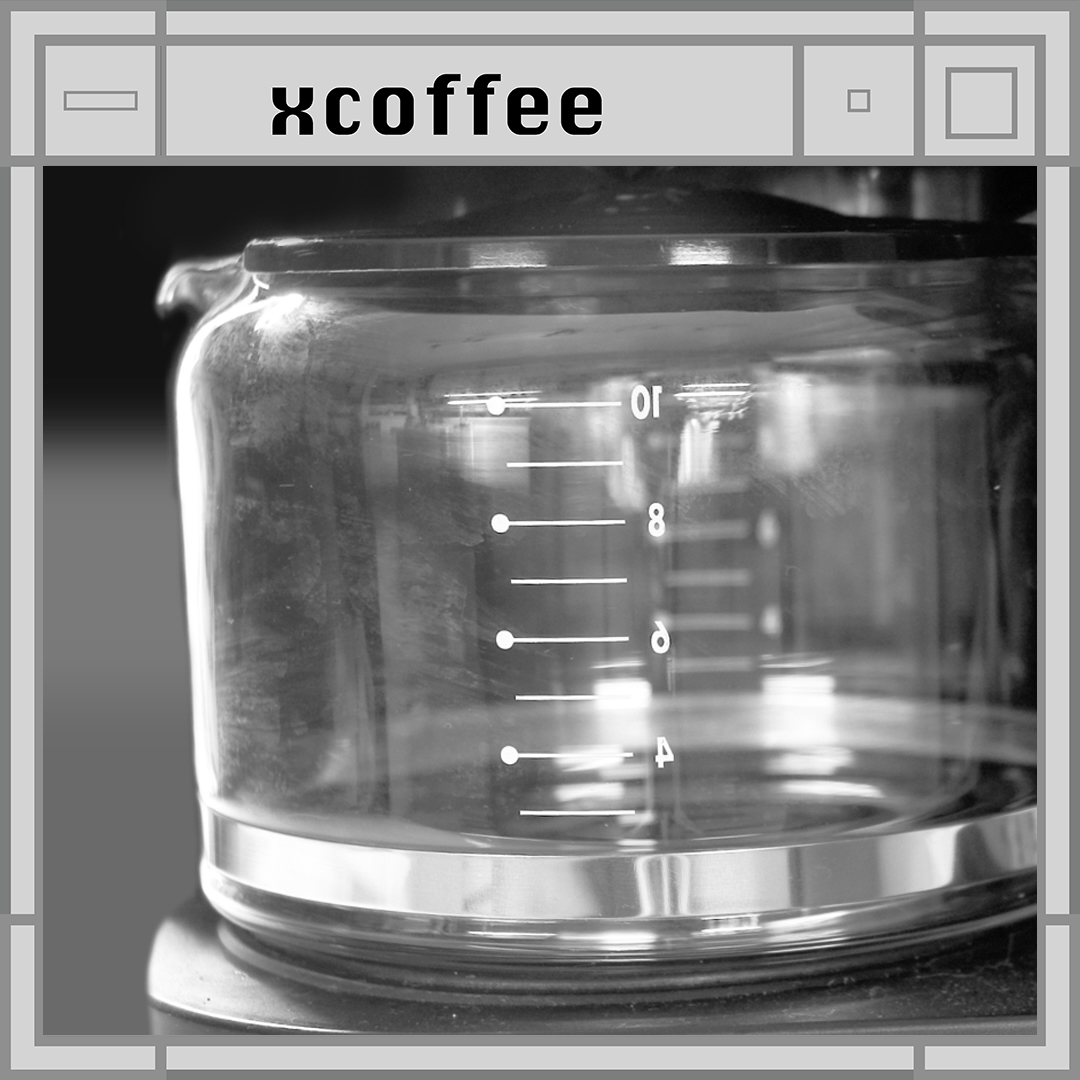
A simple workplace problem anticipated real-time digital culture.
CAMBRIDGE, United Kingdom | June 2026
The modern world of livestreaming began with a remarkably ordinary frustration: researchers repeatedly walking to a shared coffee machine only to discover that the pot was empty. In 1991, computer scientists at the University of Cambridge created a visual monitoring system that allowed colleagues to check the coffee level without leaving their desks. The experiment was modest, inexpensive and never intended to transform global communication. Yet it became one of the earliest examples of live visual information distributed through a computer network.
Quentin Stafford-Fraser and Paul Jardetzky installed a grayscale camera inside the university’s computer laboratory and pointed it toward the coffee pot in the building’s Trojan Room. The camera captured a low-resolution image several times each minute. Those images were transmitted across the laboratory’s internal network, allowing researchers to see whether coffee was available before making the trip. Technology solved a minor inconvenience by making a distant physical object visible in almost real time.

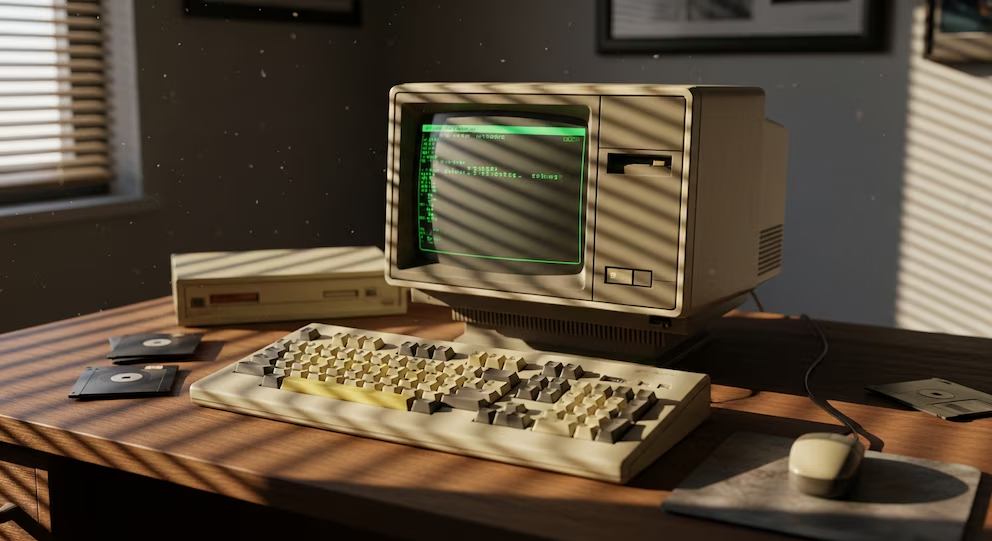
The original system was not yet a public internet broadcast. It operated within the laboratory through software created for the researchers’ local network. Its importance came from the principle it demonstrated: a camera could continuously capture changing information and distribute it to users connected elsewhere. The image was simple, but the underlying idea anticipated remote observation, video monitoring and live digital transmission.
The project reached a much wider audience in 1993 when Martyn Johnson connected the camera feed to the emerging World Wide Web. Anyone with internet access could then observe the coffee pot from outside Cambridge. The image had no sound, narrative or direct practical value for most viewers, yet people around the world opened the page to see whether the pot was full. An internal productivity tool became an early internet phenomenon.
The Trojan Room Coffee Pot remained online for years and developed a following that revealed something important about digital audiences. People were not attracted only by useful information. They were also fascinated by immediacy, shared observation and the knowledge that the image represented something happening at that moment. The same psychological appeal later became central to webcams, social platforms and livestreaming services.
The camera was disconnected in 2001 after approximately a decade of operation. The coffee machine was later acquired by the German magazine Der Spiegel and preserved as a technological artifact. Its historical value did not come from image quality or engineering complexity. It represented the moment when an everyday object became continuously visible to a global online audience.
The experiment emerged during the early development of the World Wide Web. Tim Berners-Lee had proposed the system in 1989 as a method for sharing and organizing information through linked documents. By the early 1990s, browsers and public websites were beginning to make the internet more accessible beyond specialized academic communities. The Cambridge camera demonstrated that the web could distribute not only static text and images, but also regularly updated representations of the physical world.
That possibility expanded rapidly as bandwidth, compression and computer processing improved. Early internet connections could not support the high-definition video now expected by audiences. Images were small, slow and frequently refreshed rather than transmitted as continuous motion. Each technical advance reduced the distance between an event and the person watching it remotely.
Online video entered a new phase with the arrival of major platforms. YouTube, created in 2005, made uploading and viewing recorded video significantly easier for ordinary users. Live broadcasting was later integrated into the platform, allowing concerts, sports, news events and personal conversations to reach large audiences in real time. Streaming gradually shifted from a specialized technical function into a mainstream form of communication.
Smartphones accelerated that transformation. The introduction of modern touchscreen devices, faster mobile networks and affordable cameras placed broadcasting equipment inside millions of pockets. A person no longer needed a television studio, satellite system or professional production team to transmit live video. A phone and an internet connection were enough to reach viewers across the world.
Social networks then incorporated live video into everyday digital behavior. Platforms such as Facebook, Instagram, TikTok and X turned broadcasting into a feature available beside photographs, messages and short videos. Users began streaming political demonstrations, family events, product launches, performances and ordinary daily activities. The distinction between producer and audience became increasingly fluid.
The commercial impact grew alongside participation. Livestreaming now supports sports rights, digital advertising, online shopping, entertainment subscriptions, gaming and creator economies. Companies organize product demonstrations and customer events through live platforms, while independent streamers build communities around games, commentary and personal interaction. What began as a way to avoid an empty coffee pot eventually contributed to industries worth billions of dollars.
The COVID-19 pandemic made live digital communication even more essential. Video conferences, virtual classes, remote medical consultations and streamed cultural events allowed institutions to continue operating during periods of physical restriction. Technologies that had once appeared optional became part of basic educational and professional infrastructure. The ability to transmit life in real time helped preserve social and economic activity.
However, the expansion of streaming has also created new problems. Live platforms can spread misinformation, violence and private images before moderators have time to respond. Constant broadcasting can blur boundaries between public and personal life, while algorithms reward emotionally intense content. The technology that connects people instantly can also amplify harmful behavior with the same speed.
The coffee-pot experiment offers a useful contrast with today’s highly commercialized digital environment. Its creators were not attempting to build an audience, collect personal data or monetize attention. They wanted to solve a practical problem among colleagues. The system succeeded because it delivered one clear piece of information efficiently.
That modest origin illustrates how major technological shifts often begin. Innovation does not always emerge from ambitious business plans or heavily funded research programs. It can develop through curiosity, inconvenience and the willingness to test a simple idea. The researchers could not have predicted that their grayscale images would later be remembered as a foundation of online visual culture.
The empty cup and monitored coffee pot now symbolize the early internet’s experimental character. A network designed for communication between computers gradually became a place where people watched the world together. Today, live video can connect billions of viewers to events unfolding across continents. Its history still leads back to a laboratory where scientists simply wanted to know whether someone had left them any coffee.
The digital future often begins with an ordinary problem. / El futuro digital suele comenzar con un problema cotidiano.