

 Phoenix 24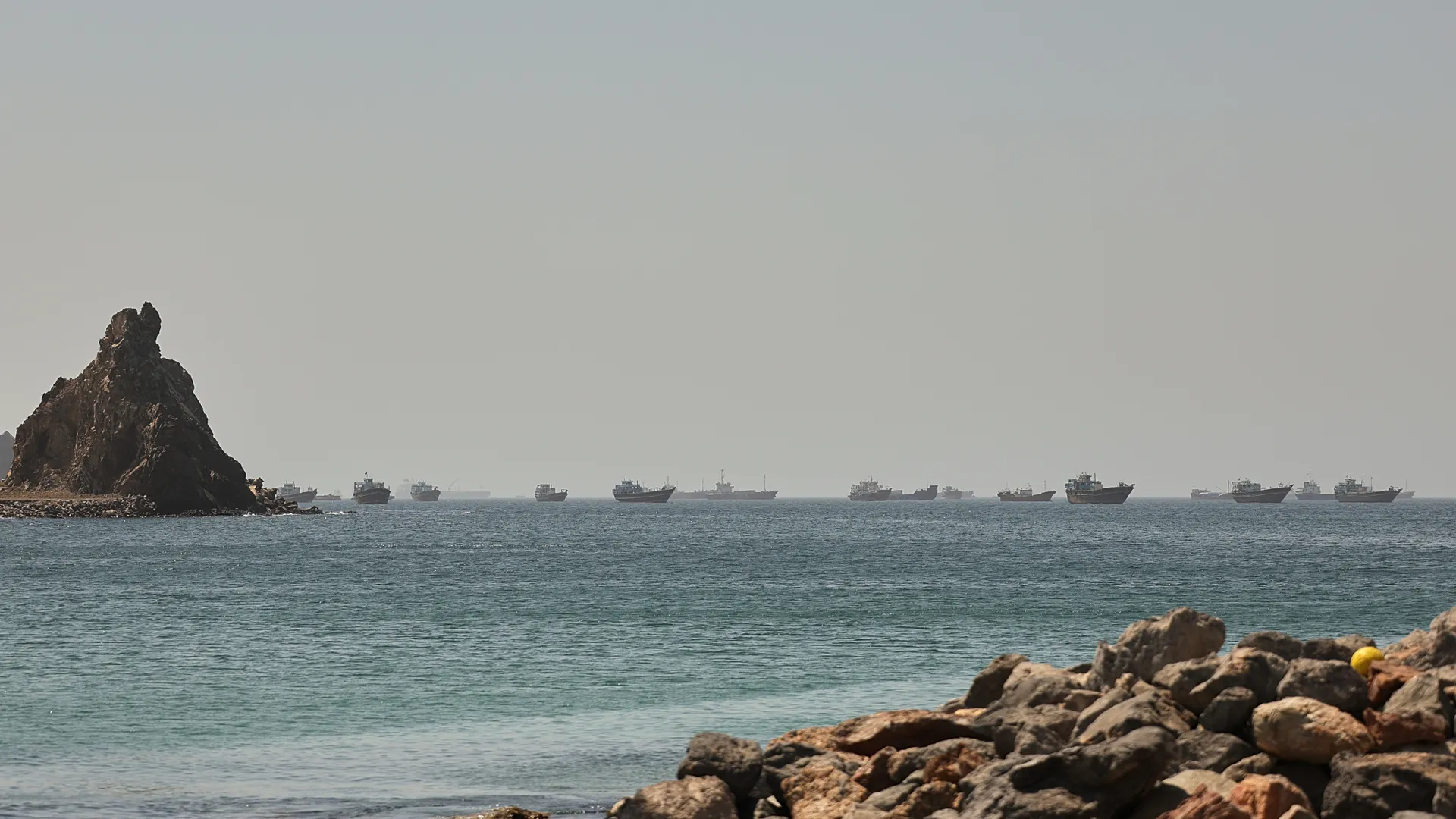
A fragile truce is collapsing across multiple fronts.
TEHRAN, Iran | June 2026
Iran has again closed the Strait of Hormuz to commercial traffic, accusing the United States and Israel of violating the commitments behind a recently negotiated regional de-escalation agreement. The decision was announced after renewed Israeli strikes in southern Lebanon killed at least 16 people, including children, despite reports that a ceasefire with Hezbollah had been reached. Iranian military authorities warned that the closure represented only the first stage of a broader response if the attacks continued. The move immediately placed global energy markets and planned negotiations between Tehran and Washington under renewed pressure.
The Khatam al-Anbiya Central Headquarters, which coordinates Iran’s armed forces, said vessels would no longer be permitted to cross the strategic waterway. Iranian authorities described the action as a response to repeated violations of the provisional understanding reached with the United States earlier in the week. That framework was intended to reopen Hormuz, reduce regional hostilities and establish a 60-day period for negotiations on Iran’s nuclear program. Tehran now argues that Washington failed to ensure compliance by Israel and therefore did not fulfill its side of the arrangement.
The latest escalation is closely connected to the renewed confrontation between Israel and Hezbollah. Israeli forces launched strikes across southern Lebanon after accusing the armed group of attacking Israeli troops and territory. Hezbollah has said it is prepared to stop fighting if Israel does the same, but the two sides continue to dispute who first violated the ceasefire. Iran considers the Lebanese front part of the wider agreement and insists that maritime normalization cannot proceed while its regional ally remains under attack.
Washington has challenged Tehran’s description of the situation. American officials maintain that the Strait of Hormuz may not be fully closed because some merchant vessels continue operating in or near the passage. The distinction is largely technical, however, because shipping companies make decisions based on security guarantees, insurance coverage and military warnings rather than political terminology. Even a limited Iranian threat can sharply reduce traffic if operators believe their crews and cargoes face unacceptable risks.
The Strait of Hormuz is one of the world’s most important maritime energy corridors. A significant share of internationally traded oil and liquefied natural gas passes through the narrow channel linking the Persian Gulf with the Gulf of Oman. Saudi Arabia, the United Arab Emirates, Kuwait, Iraq and Qatar depend heavily on the route to reach global markets. Any disruption can raise crude prices, shipping costs and insurance premiums while increasing inflationary pressure far beyond the Middle East.
Iran has repeatedly demonstrated that it can influence traffic without maintaining a conventional blockade. Warning messages, naval patrols, mines, drones, missile threats and interference with navigation systems can make passage commercially unviable. Shipowners may remain outside the strait even when no formal order prevents entry. This capacity gives Tehran powerful leverage because the economic consequences of uncertainty begin before a single tanker is physically stopped.
The renewed closure threatens the diplomatic process scheduled to continue in Switzerland. Technical negotiations involving American and Iranian representatives, with support from Qatari and Pakistani intermediaries, were intended to develop the provisional agreement into a broader settlement. Discussions were expected to include sanctions relief, Iranian oil exports, frozen assets and limits on the country’s nuclear activities. Tehran has warned that progress will remain impossible unless the United States demonstrates that the regional commitments are being respected.
The dispute reveals a fundamental difference in how the two governments understand the agreement. Washington appears to treat the reopening of Hormuz, nuclear negotiations and the fighting in Lebanon as related but separable issues. Iran considers them components of a single regional arrangement requiring simultaneous compliance. That divergence allows each side to accuse the other of breaking the deal while claiming that its own response remains legitimate.
Israel’s role further complicates the situation because it is not directly bound by every element negotiated between Washington and Tehran. The Israeli government argues that it must retain the freedom to strike Hezbollah whenever it detects an immediate threat. Iran rejects that position and sees continued Israeli operations as evidence that American guarantees are ineffective. The United States is therefore attempting to preserve an agreement whose success depends partly on the conduct of an ally it does not fully control.
Lebanon is absorbing the immediate human consequences of that failure. Communities in the south continue to face airstrikes, displacement and damage to homes and infrastructure. The Lebanese government lacks the military and political capacity to impose a durable settlement on either Israel or Hezbollah. Each new exchange increases the risk that a local confrontation will again trigger economic and military consequences across the wider region.
The closure also tests the credibility of President Donald Trump’s claim that the agreement had opened a path toward restored trade and reduced conflict. The White House presented the reopening of Hormuz as an early practical achievement of the understanding with Iran. Tehran’s reversal shows how quickly that success can disappear when implementation depends on several interconnected ceasefires. A political memorandum cannot guarantee stability if the military actors involved retain incompatible objectives.
Energy markets are likely to remain volatile as traders assess whether Iran’s announcement produces a real fall in shipping volumes. Prices may rise sharply if tanker traffic declines, insurers withdraw coverage or Gulf exporters begin warning of delayed deliveries. Governments could respond by releasing strategic reserves, but those stocks have already been placed under pressure by previous disruptions. The longer the closure lasts, the greater the risk that maritime insecurity spreads into manufacturing, transport and household energy costs.
Iran has not formally abandoned the provisional agreement with the United States. That restraint suggests the closure may be intended as leverage rather than a final rejection of diplomacy. Tehran wants Washington to pressure Israel, while preserving the possibility of negotiations if the fighting in Lebanon subsides. The strategy is dangerous because economic coercion can rapidly produce military escalation if American or allied forces attempt to guarantee passage.
The Strait of Hormuz has once again become the place where regional promises confront strategic reality. Iran is using control of the waterway to connect its security interests, its nuclear negotiations and the survival of its alliances. The United States is trying to keep those issues contained long enough to preserve a fragile diplomatic framework. Whether the strait reopens will depend less on maritime procedure than on whether Washington, Tehran, Israel and Hezbollah can prevent one conflict from collapsing every other negotiation around it.
Geopolitics, unmasked. / Geopolítica, sin maquillaje.