

 Phoenix 24
Elite performance begins before kickoff
Buenos Aires, June 2026. The World Cup does not begin for elite footballers when the referee blows the whistle. For the body, the match starts much earlier. Scientific research on cortisol levels shows that players can experience a sharp hormonal response from the morning of game day, long before they step onto the field.

Cortisol is commonly associated with stress, but in elite sport it also functions as part of the body’s preparation system. It mobilizes energy, sharpens alertness and helps athletes respond to high-pressure environments. During major competitions, that biological activation can intensify because the stakes are no longer ordinary: national expectation, tactical responsibility, media exposure and career-defining pressure all converge.
The World Cup amplifies these responses more than almost any other tournament. A club match can be important, but a national-team match carries symbolic weight. Players represent not only a team, but a country, a fan base, a flag and a collective emotional investment. That burden can activate the stress system hours before physical effort begins.
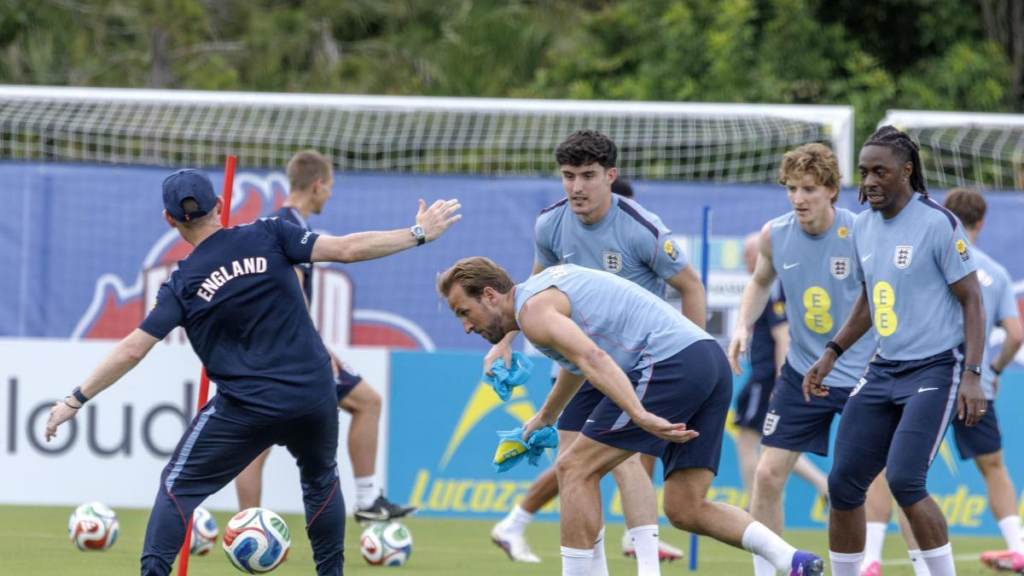
The rise in cortisol also reflects anticipatory pressure. Athletes mentally rehearse scenarios, review tactical instructions, process uncertainty and prepare for possible failure or success. The body responds to those imagined demands as real threats or challenges, producing hormonal changes before the match has even started.
This biological process is not automatically negative. Moderate stress can improve readiness, reaction speed and competitive intensity. The problem appears when activation becomes excessive or poorly regulated. High stress can affect sleep, decision-making, emotional control, muscle tension and recovery, all of which are critical in elite football.
Modern sports science increasingly treats psychological and hormonal preparation as part of performance architecture. Nutrition, sleep routines, breathing protocols, mental training and controlled pre-match rituals are used to help players manage activation without losing competitive edge.

The data also challenges a traditional myth of elite sport: that great players are immune to pressure. In reality, their bodies register the magnitude of the occasion. What separates them is not the absence of stress, but the ability to convert that stress into functional performance.
The World Cup therefore operates on two fields at once. One is visible, tactical and physical. The other is internal, hormonal and emotional. Before the first pass, the match has already begun inside the athlete.
Truth is structure, not noise.