

 Phoenix 24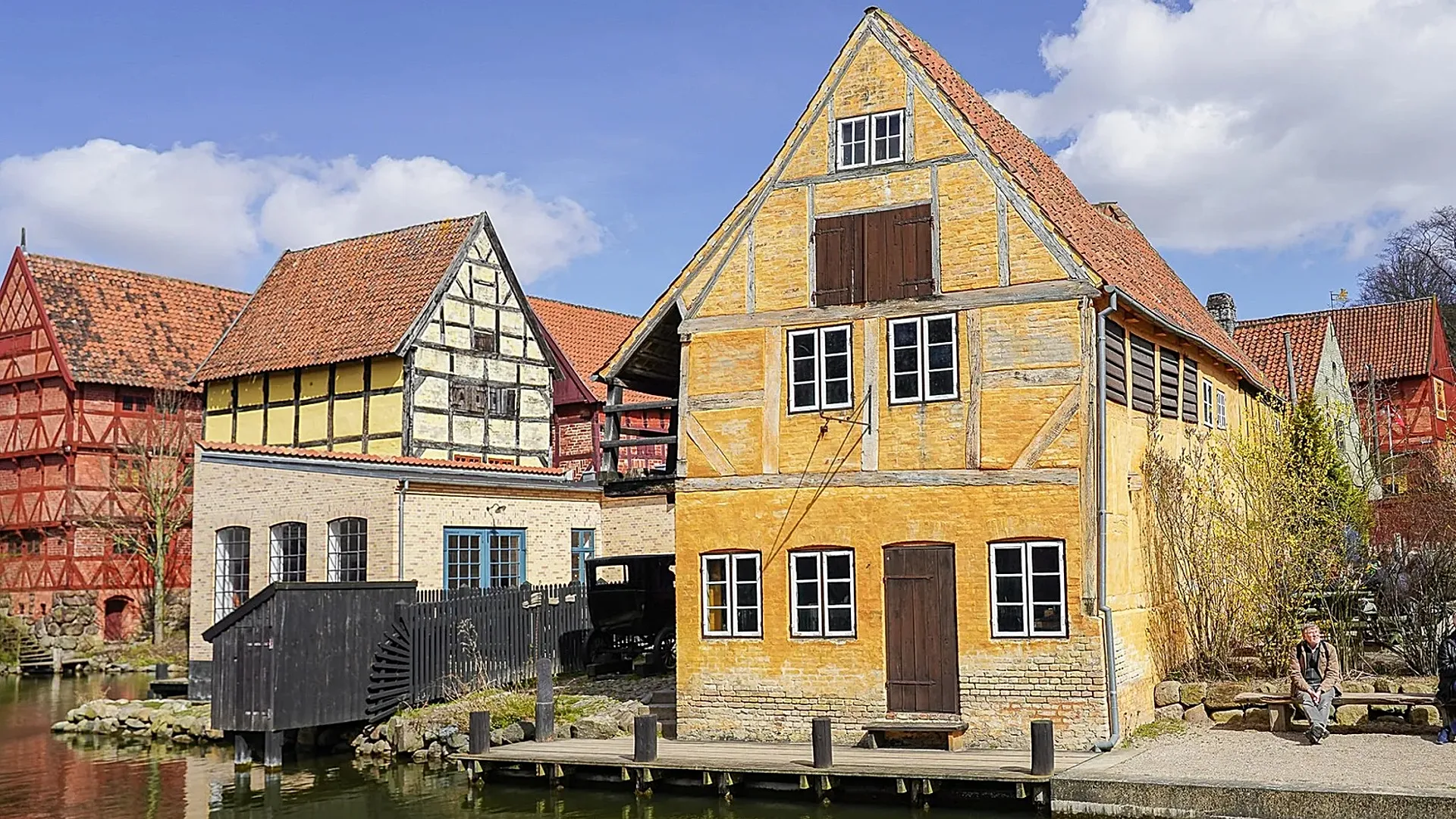
Memory becomes an experience
Aarhus, June 2026.
Den Gamle By, the open-air museum in Aarhus, Denmark, has been named European Museum of the Year 2026, a recognition that goes beyond institutional prestige. The award highlights a broader transformation in the museum world: culture is no longer being preserved only behind glass, but increasingly through immersive, social, and emotionally accessible experiences.
The Danish museum is known for reconstructing urban life across different historical periods, allowing visitors to walk through streets, homes, shops, and everyday environments from Denmark’s past. Its strength lies not only in displaying objects, but in recreating context. That distinction matters. Museums that connect artifacts to daily life help audiences understand history not as distant information, but as lived experience.
The recognition also reflects Europe’s changing cultural priorities. In an age shaped by digital acceleration, political fragmentation, and historical amnesia, museums have become civic spaces where societies negotiate identity, memory, and belonging. The most relevant institutions are no longer those that merely accumulate collections, but those that create meaningful encounters between the past and present.

Den Gamle By’s success suggests that heritage institutions can remain powerful when they speak to contemporary audiences without abandoning historical rigor. Open-air museums, living-history formats, and participatory exhibits can make culture more democratic by lowering the barrier between visitor and narrative. Instead of asking the public only to observe, they invite people to enter the story.
The award also carries strategic value for Denmark. Cultural recognition strengthens soft power. A museum capable of attracting international attention does more than promote tourism. It projects a national image built around education, preservation, design, civic memory, and public accessibility. In that sense, cultural institutions operate as quiet diplomatic actors.
The challenge now is to ensure that immersive heritage does not become superficial spectacle. The line between experience and entertainment must be handled carefully. When museums transform history into atmosphere, they must also preserve complexity, conflict, and critical reflection. Memory is valuable not because it is comfortable, but because it helps societies understand how they became what they are.
Den Gamle By’s award confirms that the future of museums may depend on their ability to make the past visible, walkable, and emotionally intelligible. Europe’s best museums are not only conserving history. They are teaching societies how to inhabit it.
A culture survives when memory becomes a shared responsibility.