

 Phoenix 24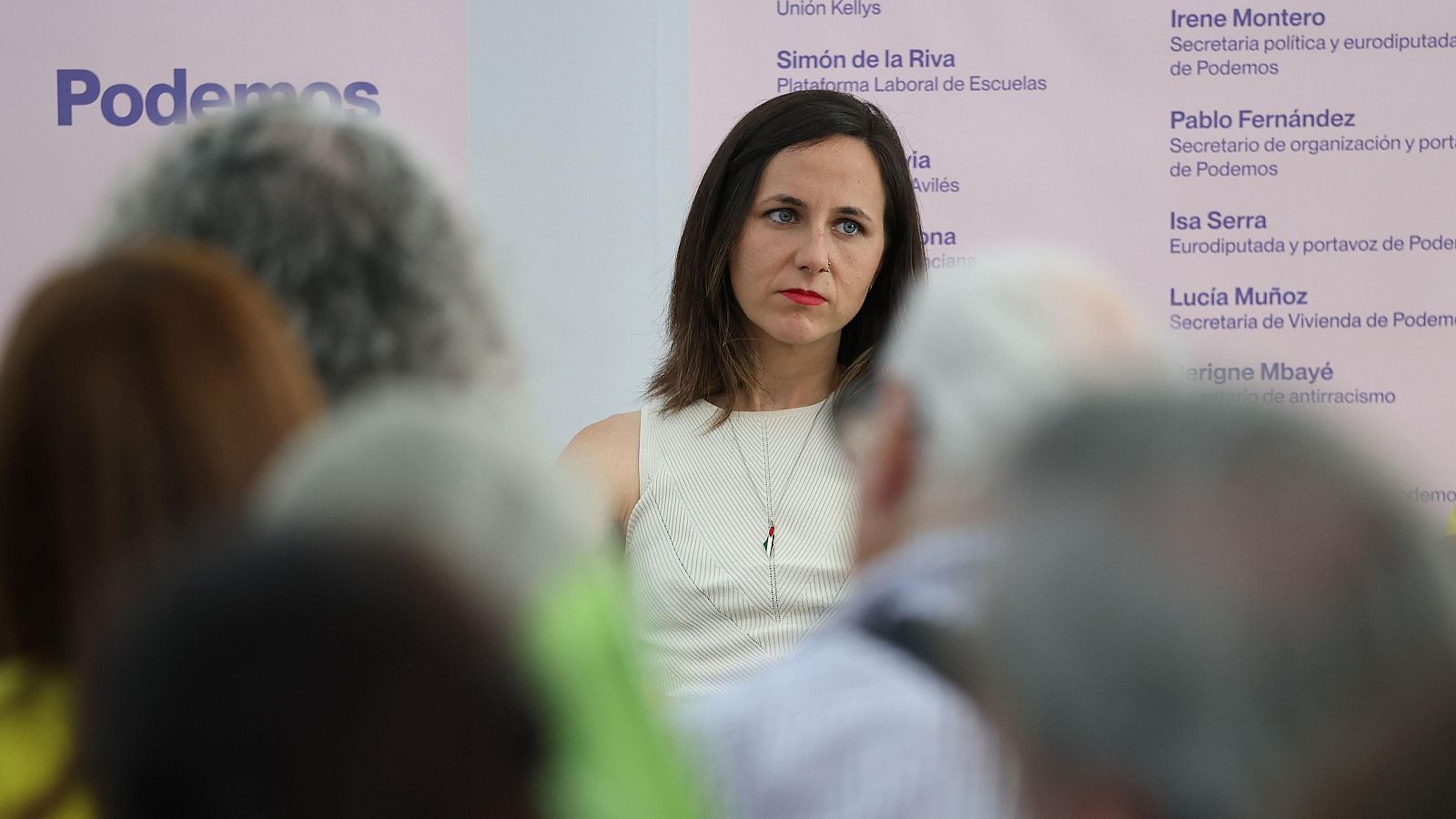
The left returns to its hardest battlefield
Madrid — June 2026
Ione Belarra’s decision to run for the presidency of the Community of Madrid in 2027 is not merely an electoral announcement. It is a survival maneuver. Podemos, once one of the most disruptive forces in Spanish politics, is returning to the arena where its symbolic power was both amplified and broken: Madrid.
The move directly targets Isabel Díaz Ayuso, but its real audience is broader. Belarra is speaking to a fragmented left, to Podemos’ internal base and to a national political system that has largely treated the party as a diminished actor after its exclusion from several regional parliaments. Madrid becomes, once again, the laboratory of Spanish polarization.
The precedent is impossible to ignore. In 2021, Pablo Iglesias left the national government to confront Ayuso in Madrid. Podemos entered the regional assembly, but failed to stop the Popular Party’s advance or displace Más Madrid as the dominant force on the left. That episode marked the end of Iglesias’ front-line political career and opened the succession that Belarra now embodies.
The challenge is even harder today. Podemos has no representation in the Madrid Assembly after falling below the electoral threshold in 2023. That means Belarra is not defending institutional space; she is trying to recover it from zero. Her candidacy is therefore less about governing Madrid immediately and more about proving that Podemos still has territorial, ideological and organizational capacity.
Madrid is not a neutral battlefield. It is the political showcase of Ayuso’s model: tax competition, cultural confrontation, anti-left identity politics and a strong media ecosystem built around personal leadership. To confront that structure, Podemos will need more than rhetoric. It will need social organization, urban credibility and a message capable of reaching voters beyond its most loyal base.
The risk is evident. If Belarra fails, the defeat could deepen the perception that Podemos has become a residual force, unable to compete with Más Madrid, Sumar or the Socialist Party for leadership of the progressive space. If she succeeds in re-entering the Assembly, even with a modest result, the party could claim that its cycle is not finished.
Belarra is betting that visibility can become viability. The 2027 election will not only measure Ayuso’s strength. It will measure whether Podemos still has the capacity to convert conflict into representation. Madrid, once again, will decide whether the purple project still belongs to Spain’s political future or to its recent past.
La verdad no grita: estructura el poder.