

 Phoenix 24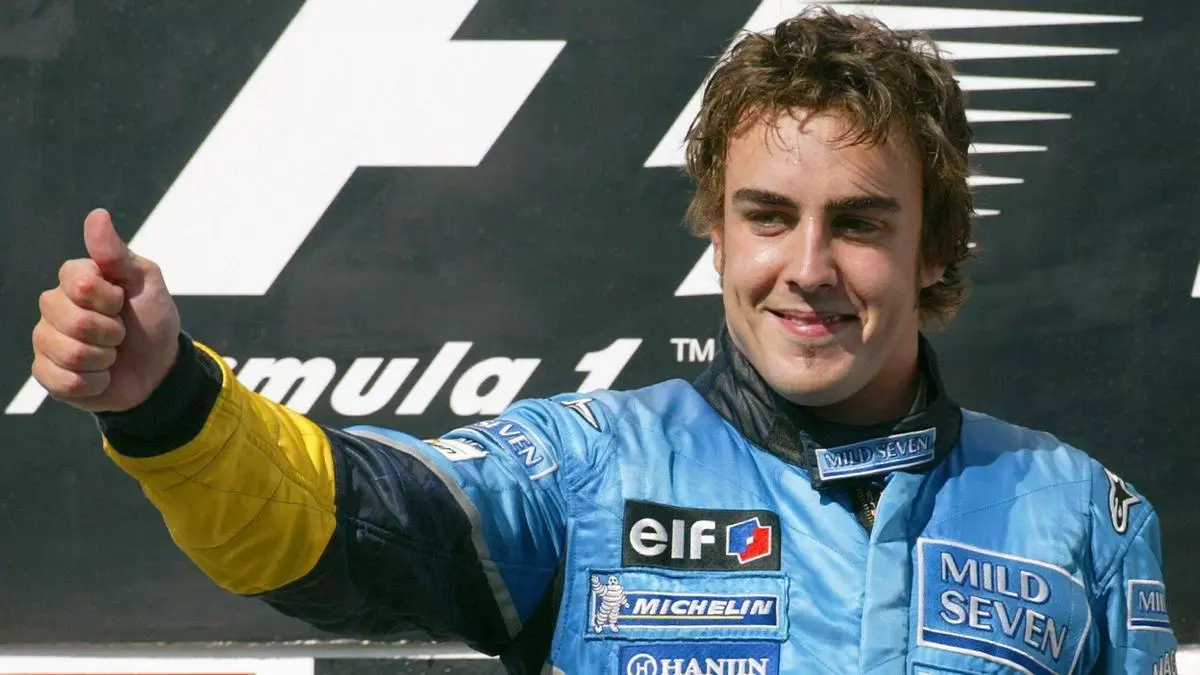
One driver changed a country’s motorsport imagination.
Madrid | June 2026
Fernando Alonso did more than win races; he created a cultural rupture in Spanish sport. Before his rise, Formula 1 existed in Spain as a distant spectacle followed by specialists, enthusiasts and scattered television audiences. After Alonso, it became a national habit, a weekend ritual and a shared emotional language for millions who suddenly learned to read tire strategies, qualifying sessions, pit stops and championship mathematics with the intensity once reserved for football.
The phenomenon was not only athletic. Alonso arrived with the perfect combination of talent, defiance and narrative timing. He was young, unapologetic and technically brilliant, but also emotionally accessible to a country eager to see one of its own challenge the old powers of global motorsport. His victories against established names gave Spanish fans something larger than celebration: the feeling that Formula 1 no longer belonged only to Britain, Germany, Italy or Brazil.
That transformation still shapes the sport today. Spain’s Grand Prix, television audiences, sponsor interest and younger motorsport culture cannot be understood without Alonso’s impact. He turned a specialized competition into mainstream conversation and gave future drivers, teams and fans a reference point that did not previously exist at national scale. Even when championships stopped coming, the emotional infrastructure he built remained.
Alonso’s longevity has reinforced the myth. In a sport obsessed with youth, data and corporate discipline, he continues to represent experience, instinct and competitive stubbornness. His presence on the grid keeps connecting different generations of fans: those who discovered Formula 1 through his Renault titles, those who followed his Ferrari battles, and those who now see him as a veteran still capable of disturbing the established order.
The deeper story is that Alonso changed Spain’s relationship with speed. He made Formula 1 feel close, intelligible and emotionally legitimate. His legacy is not measured only in trophies, podiums or statistics, but in the millions of Spaniards who learned to care about a sport that once felt foreign. The phenomenon he unleashed was never just about a driver. It was about a country discovering that it could also belong to the fastest theater in world sport.
La narrativa también es poder. / Narrative is power too.