

 Phoenix 24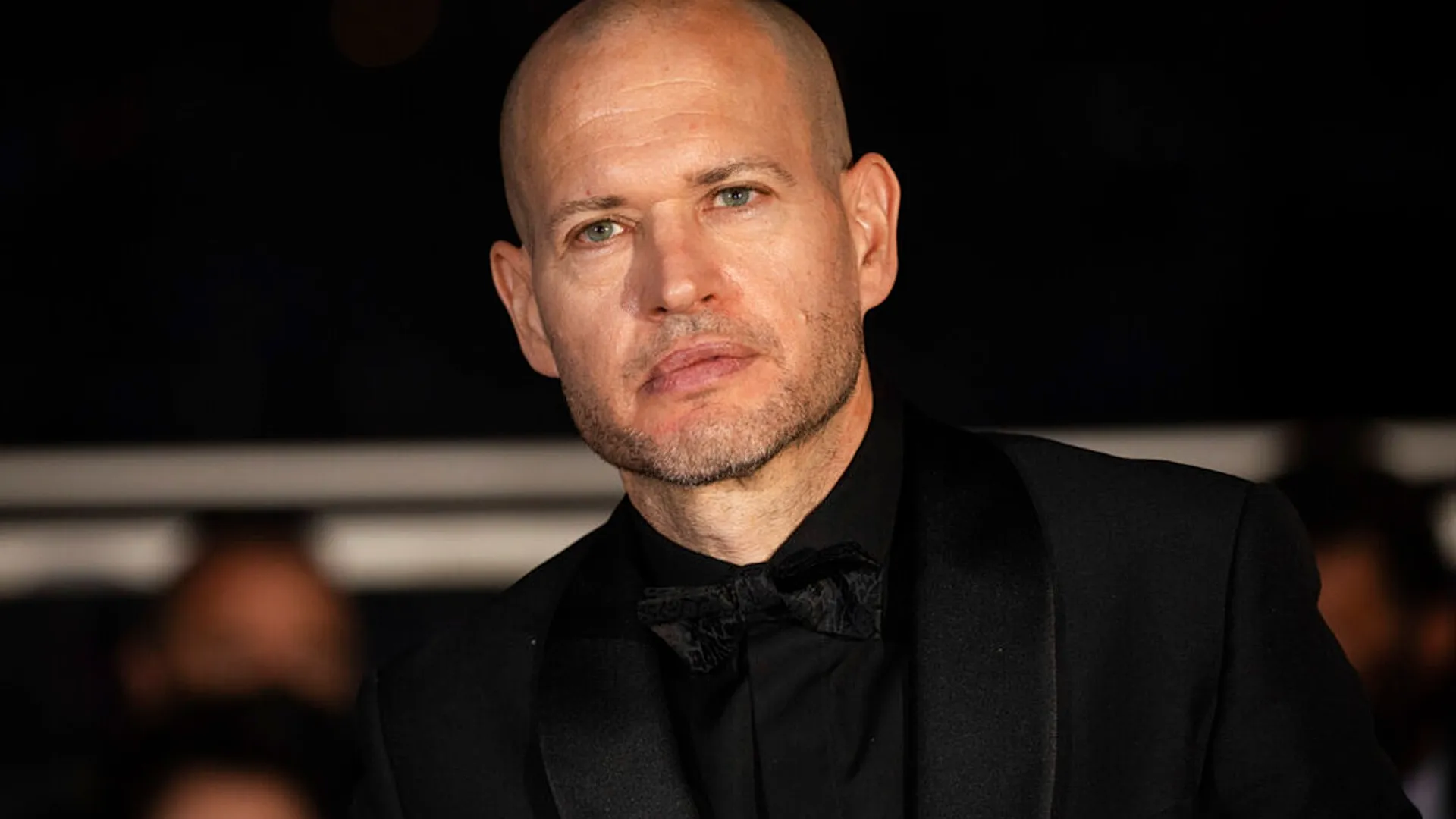
Culture is becoming Europe’s most fragile battlefield.
Marseille | June 2026
Israeli filmmaker Nadav Lapid has withdrawn from the FID Marseille film festival after boycott pressure over his planned participation, turning a cultural event into another flashpoint in Europe’s widening argument over Israel, Gaza and the limits of artistic legitimacy. Lapid, who has lived in France for years and has been openly critical of Benjamin Netanyahu’s government, was originally invited to join the festival jury. His withdrawal followed the decision of several filmmakers to pull their works from the program in protest of his presence.
The controversy is particularly complex because Lapid is not a government spokesman, nor a defender of Israel’s current political direction. His recent work has been described as sharply critical of Israeli society and state violence, making the campaign against him more difficult to frame as a simple rejection of official propaganda. Yet for supporters of the boycott, the issue is not only personal speech, but institutional linkage, including funding structures and cultural representation connected to Israel.
The festival found itself trapped between artistic autonomy and political pressure. FID Marseille defended its decision to invite Lapid on the basis of his cinematic work, while critics argued that cultural events cannot remain neutral during a war that has produced massive civilian suffering in Gaza. That tension now defines much of Europe’s cultural sector: festivals, theaters, museums and publishers are no longer merely spaces of presentation, but arenas where geopolitical legitimacy is contested.
Lapid’s case exposes the moral difficulty of boycott politics when the target is an artist who already opposes the government being condemned. If every national affiliation becomes grounds for exclusion, even dissident voices can be erased from the conversation. But if cultural institutions ignore the political economy surrounding art, they risk appearing detached from violence, occupation and public outrage. The problem is not that culture has become political; it is that politics now demands total alignment from culture.
The Marseille episode should concern anyone who believes cinema can still function as a space for conflict, contradiction and serious disagreement. Boycotts can be legitimate political tools, but when they collapse artists into states, they may also weaken the very voices capable of challenging official narratives from within. Europe’s cultural institutions are now facing a severe test: whether they can hold open spaces for difficult speech, or whether every festival will become another border checkpoint in the war over memory, identity and power.
La narrativa también es poder. / Narrative is power too.