

 Phoenix 24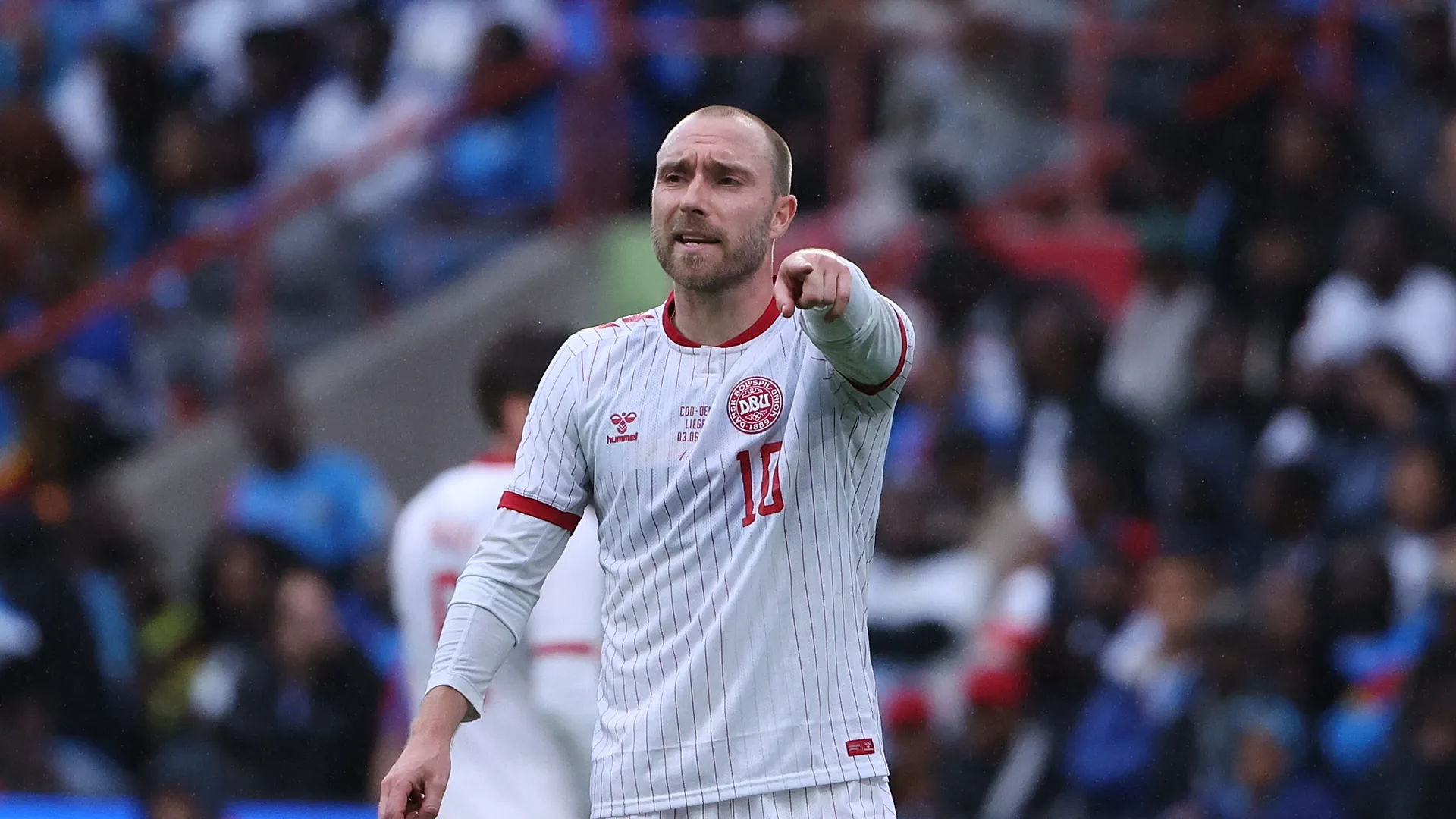
The pitch fell silent again.
Odense, June 2026. Christian Eriksen’s collapse during Denmark’s friendly match against Ukraine immediately revived one of modern football’s most painful memories. The Danish midfielder, 34, reportedly remained conscious after going down on the field at Nature Energy Park in Odense, where the match was suspended following the incident. Television images showed him placing his hands on his chest around the 65th minute before players gathered around him and medical attention entered the scene.
The Danish Football Federation later stated that Eriksen was conscious and, under the circumstances, doing well. That message gave the football world a measure of relief, but it did not erase the emotional force of the moment. For Denmark, for his teammates and for millions of viewers, the scene echoed the cardiac arrest he suffered during Euro 2021 against Finland in Copenhagen, when emergency treatment on the pitch helped save his life.
This latest episode is not only a sports story. It is a reminder that elite football operates at the intersection of spectacle, pressure and human vulnerability. Stadiums are designed for speed, noise and performance, but incidents like this expose the fragile biological reality beneath the global entertainment machine. A player can be a symbol, a leader and a national figure, yet still be reduced in seconds to the most basic priority: survival.
The suspension of the match was the only responsible decision. Football often insists on continuity, but medical emergencies demand a different hierarchy of values. In that instant, the scoreboard disappeared, competitive logic stopped, and the field became a controlled emergency space. That pause matters because it signals that sport must protect life before protecting calendars, broadcasts or commercial commitments.
Eriksen’s case also forces a broader conversation about return-to-play protocols, cardiac monitoring and the public pressure placed on elite athletes after major medical events. His career after 2021 had already been seen by many as a story of resilience and medical progress. Now, the priority must be caution, clinical clarity and respect for privacy while medical professionals determine what happened and what it means for his future.
Football will remember the silence in Odense because it was not ordinary silence. It was the collective recognition that even the most global sport remains dependent on a single heartbeat. Eriksen’s consciousness is the immediate relief, but the deeper lesson is institutional: player welfare cannot be treated as a secondary system behind the business of the game.
Cada silencio habla. / Every silence speaks.