

 Phoenix 24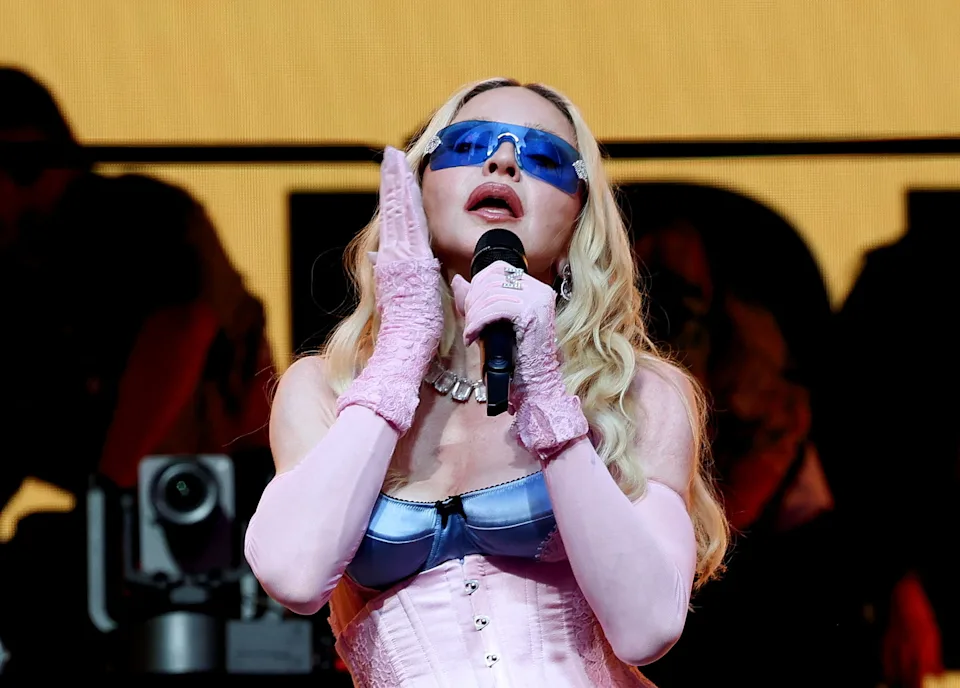
A concert cannot survive as pure recording.
New York, United States | June 2026. Madonna’s criticism of fans who record entire concerts with their phones reopens a cultural debate that now follows nearly every major live performance. Her message was direct: put the phones away, stop turning the show into footage and return to the shared experience happening in front of the stage.
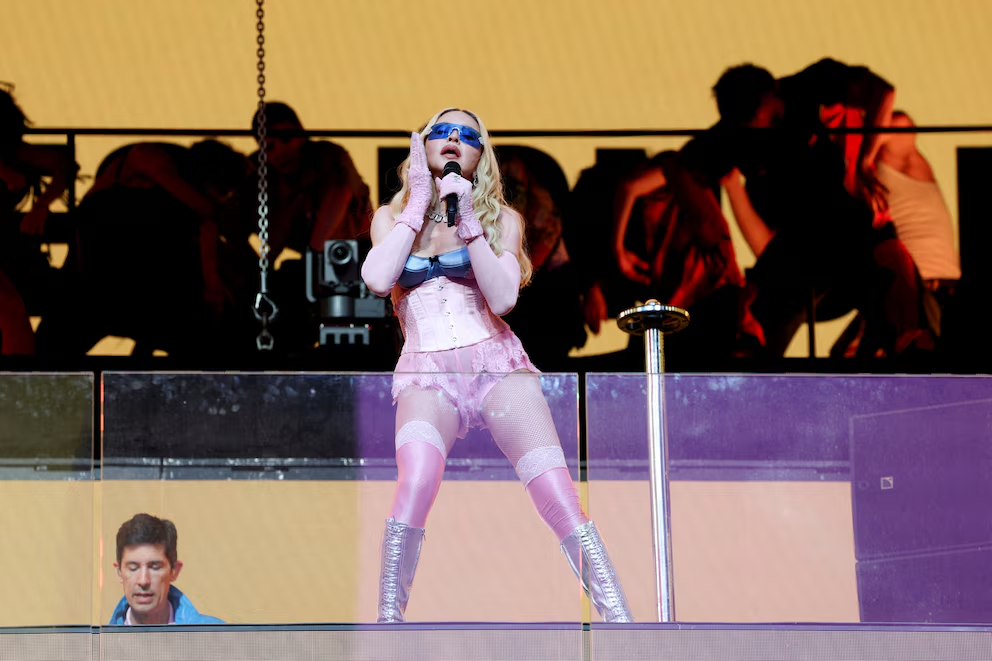
The complaint is not only about etiquette. It reflects a deeper tension between presence and documentation. Audiences increasingly experience concerts through screens even while standing inside the venue, transforming live music into a personal archive before it has fully become a memory.
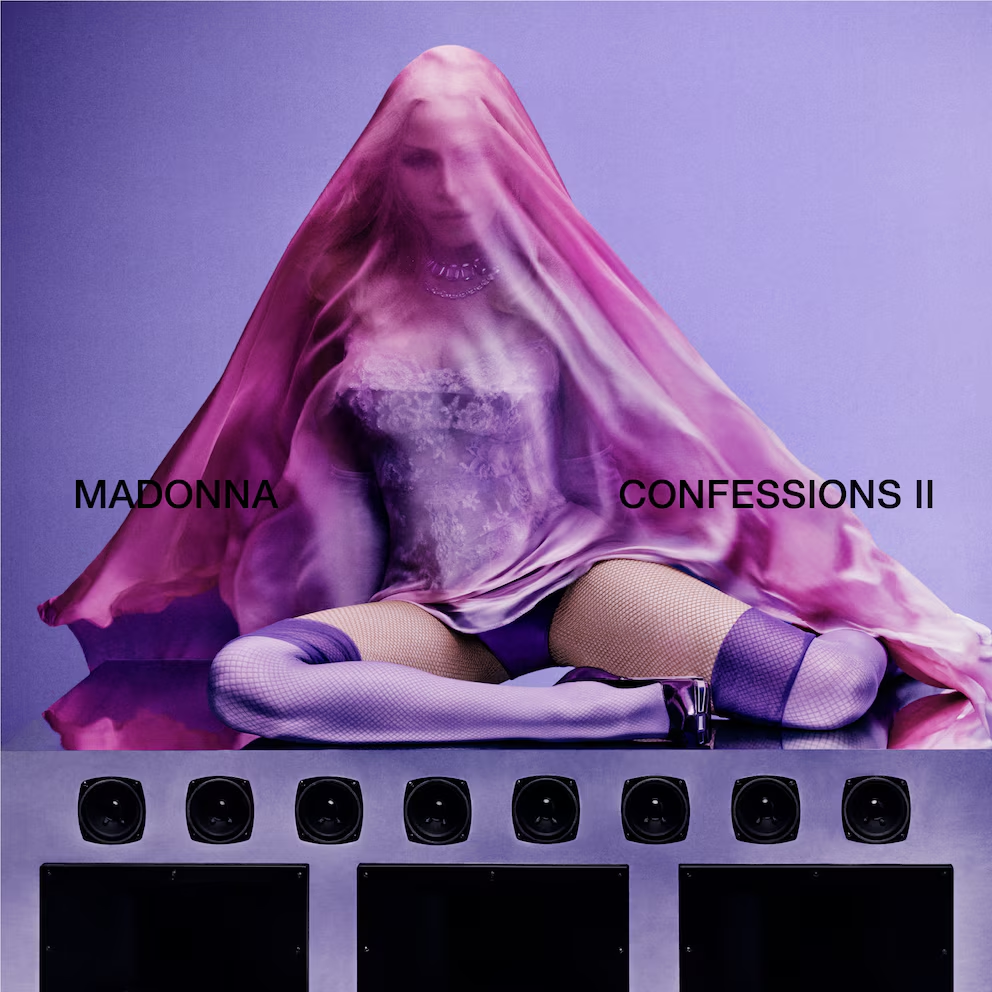
For artists, the problem is emotional and performative. A crowd holding up phones can alter the energy of a concert, replacing collective attention with fragmented recording. The performer faces thousands of lenses instead of thousands of faces, and the ritual of live music becomes partially mediated by devices.
For fans, the impulse is understandable. Recording offers proof, memory and social currency. Yet Madonna’s criticism points to the cost of that habit: the more a moment is captured for later, the less fully it may be lived in the present.
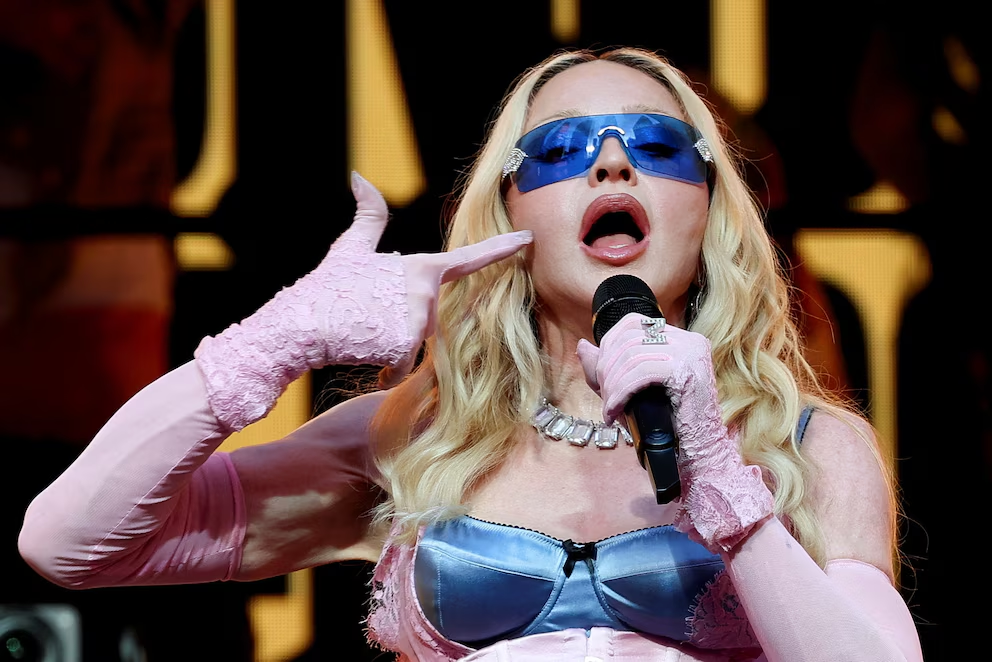
The debate also exposes how digital culture has changed spectatorship. People no longer attend only to witness; they attend to document, publish and validate their presence online. In that logic, the concert becomes both event and content.
Madonna’s warning lands because it comes from an artist who understands spectacle as communion, not just production. Her message is simple but uncomfortable: some experiences lose power when the screen becomes more important than the stage.
Cada silencio habla. / Every silence speaks.