

 Phoenix 24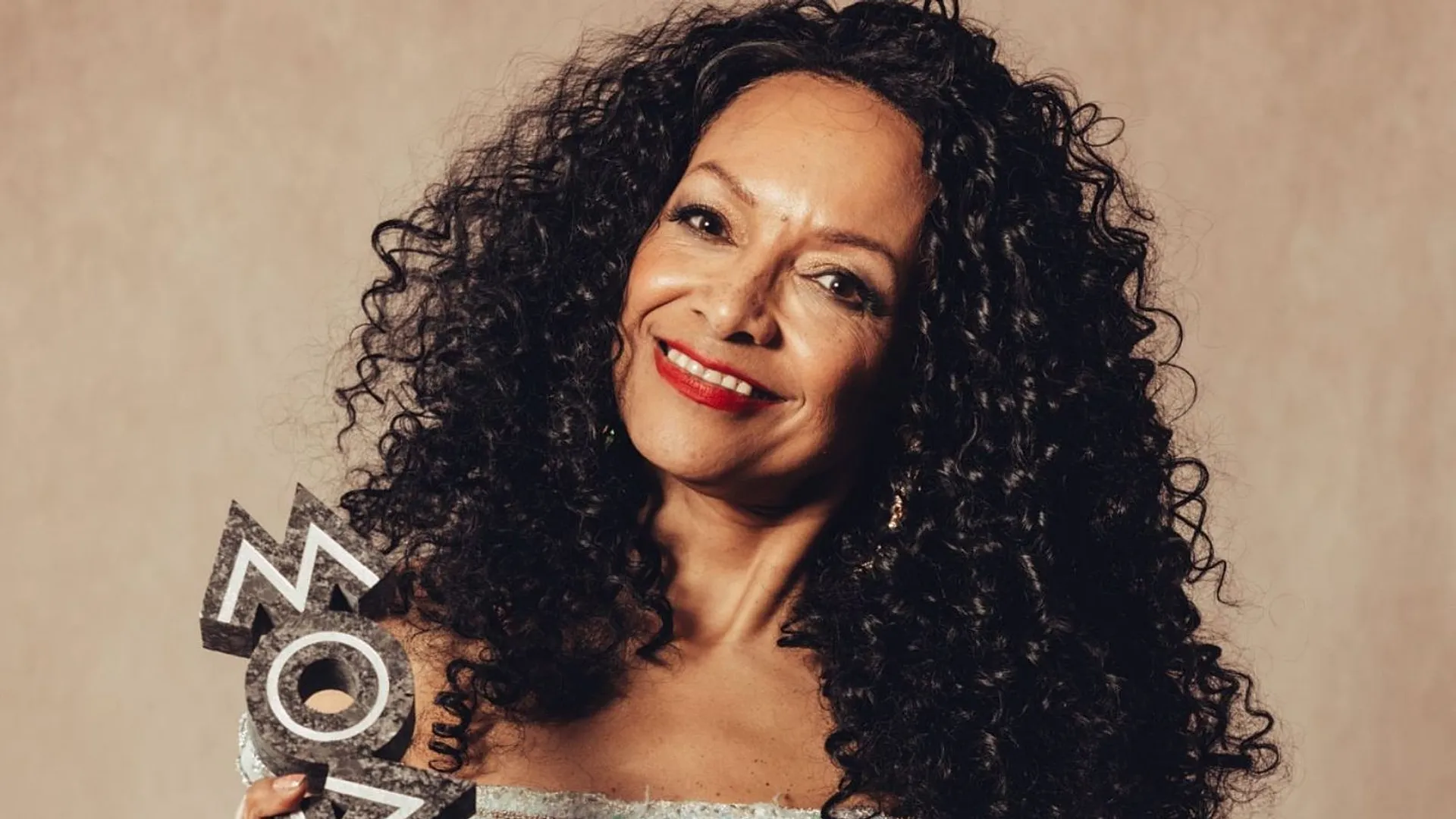
Some platforms become history before institutions notice.
London, United Kingdom | June 2026. Tributes to Kanya King, founder of the MOBO Awards, have become more than a farewell to a British cultural pioneer. They are a reminder that entire artistic ecosystems often begin with one person refusing to accept institutional silence. King, who died at 57 after colon cancer, built the Music of Black Origin Awards in 1996 to recognize Black music at a time when mainstream British platforms still treated many of its artists as peripheral.
Her achievement was not only ceremonial. The MOBO Awards helped shift Black British music from cultural margin to national stage, giving visibility to genres, artists and audiences that had long shaped Britain’s sound without receiving proportional institutional recognition. From R&B and grime to soul, rap and contemporary pop, the platform became a bridge between community credibility and mainstream legitimacy.
King’s story also carried the weight of personal conviction. She reportedly financed the first MOBO Awards under enormous pressure, betting on a cultural future that the industry had not yet fully acknowledged. That risk became a structural intervention. The awards did not simply celebrate success; they helped create the conditions for success to be seen, measured and remembered.
The tributes from artists, broadcasters, political figures and cultural leaders reveal the scale of her impact. They also show how representation works when it moves beyond symbolism. King did not ask for inclusion as a gesture. She built an institution capable of forcing recognition through excellence, visibility and continuity.
Her death comes as Black British music now stands at the center of global culture, from stadium tours and streaming charts to fashion, language and political expression. That prominence did not emerge in isolation. It was built through networks, platforms and stubborn acts of cultural architecture, with King among the figures who transformed exclusion into infrastructure.
Kanya King leaves behind more than an awards ceremony. She leaves a model of cultural power: identify the absence, build the platform and make the industry adjust. In that sense, the tributes are not only mourning. They are evidence that her work changed the grammar of British music.
La narrativa también es poder. / Narrative is power too.