

 Phoenix 24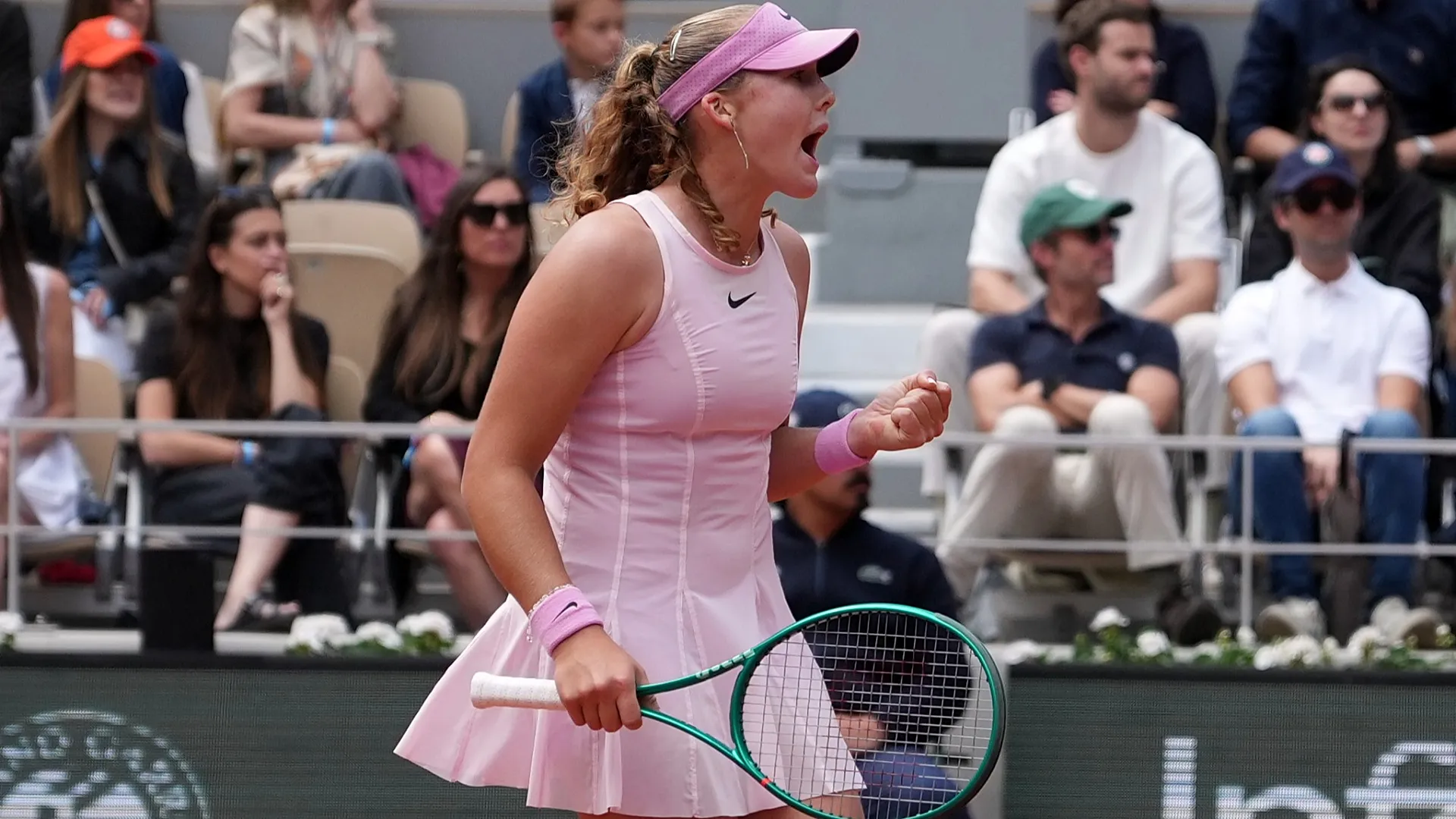
A new Grand Slam order arrived early.
Paris | June 2026. Mirra Andreeva captured the women’s Roland Garros title with a controlled 6-3, 6-2 victory over Poland’s Maja Chwalińska, closing a tournament run that confirmed her transition from prodigy to champion. At 19, the Russian player competing under a neutral flag did not merely win her first Grand Slam. She did it by absorbing the pressure of expectation and neutralizing the emotional energy of an underdog story that had carried Chwalińska from qualifying into an unexpected final.
The match briefly suggested turbulence when Chwalińska recovered an early break and moved ahead 3-2 in the first set. But the opening tension gave way to Andreeva’s heavier rhythm, cleaner shot selection and superior control under windy conditions. From that point, the world number eight imposed the architecture of the final: deep returns, reduced errors and enough tactical patience to prevent the Polish qualifier from turning resistance into momentum.
Chwalińska’s presence in the final was itself one of the tournament’s central narratives. Coming through qualifying, she represented the destabilizing beauty of Grand Slam tennis, where ranking logic can be interrupted by form, nerve and timing. Yet finals are different political spaces inside sport. They reward not only inspiration, but hierarchy, physical durability and emotional governance across every point.
Andreeva’s victory matters because it gives women’s tennis another young champion with institutional weight. Roland Garros has often served as a battlefield where technical discipline, patience and mental endurance expose the difference between promise and permanence. By conceding only one set throughout the tournament and finishing the final in straight sets, Andreeva signaled that her rise is no longer speculative. It is now written into the Grand Slam record.
Beyond the trophy, the result sharpens the generational shift already underway in women’s tennis. The sport continues to move toward younger champions capable of absorbing media pressure, national symbolism and commercial expectation before reaching full adulthood. Andreeva’s neutral status adds another layer: in today’s tennis, athletic identity is never separated entirely from geopolitics, even when the court insists on individual performance.
Paris did not witness a surprise. It witnessed a confirmation. Andreeva arrived at Roland Garros with the ranking, the form and the technical ceiling to win. She left with the one thing no projection can substitute: a Grand Slam title in her hands.
Hechos que no se doblan. / Facts that do not bend.