

 Phoenix 24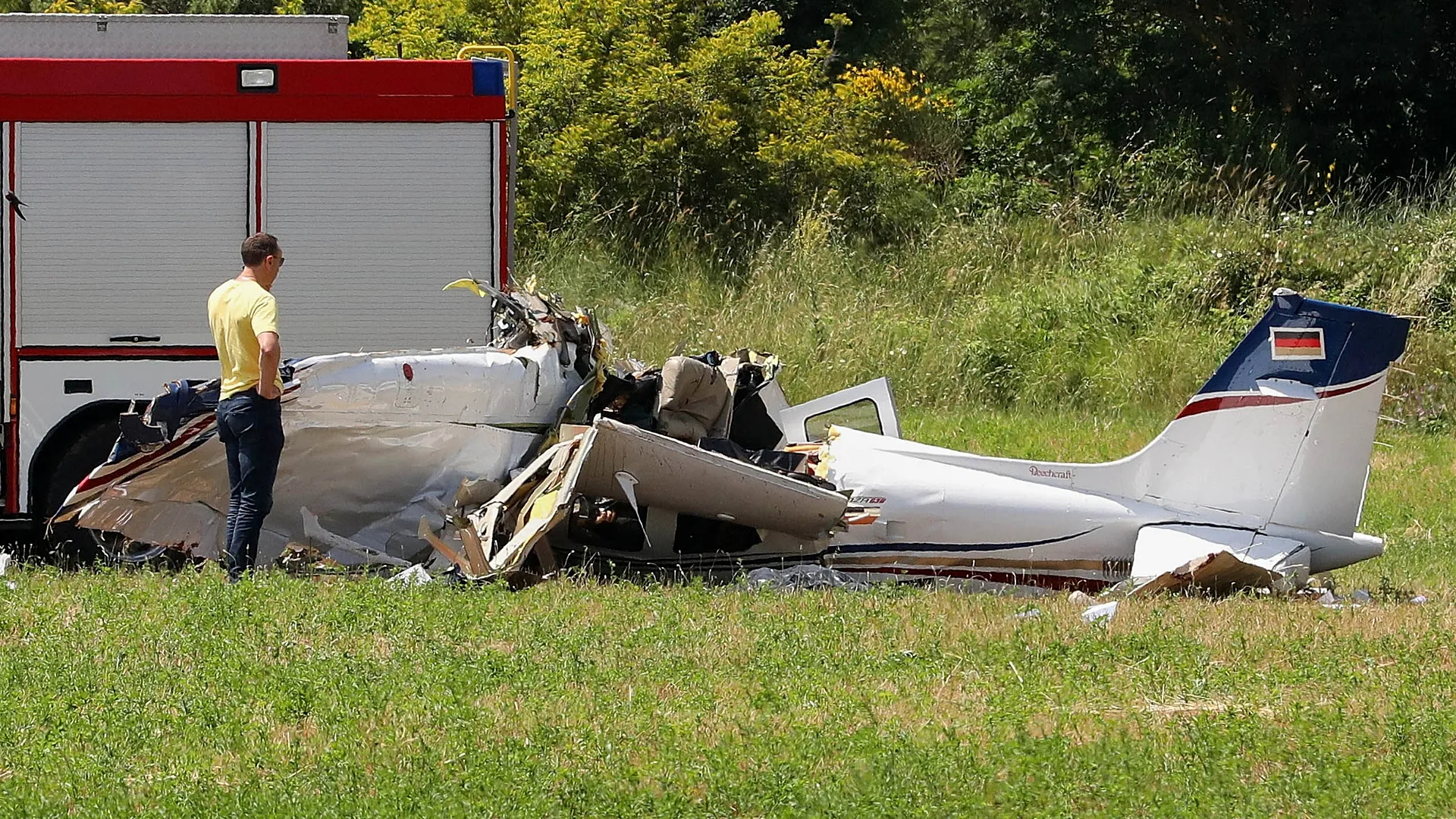
Four lives ended in Europe’s quiet aviation corridor.
Medulin, June 2026. A German-registered light aircraft crashed on Thursday near Croatia’s Istrian peninsula, killing all four people on board and opening a new investigation into a flight that appeared routine until its final moments. The aircraft had departed from Tyrol, Austria, and was reportedly approaching the Medulin area when witnesses described a sudden spiral descent near Pula.
Authorities had not officially confirmed the victims’ nationalities at the time of the first reports, although Croatian public media cited unofficial information suggesting that all four occupants may have been Austrian citizens. The aircraft was identified as a Beechcraft Bonanza G36, a single-engine piston plane known for speed, range and executive-class private aviation use. Its route, registration and final maneuver will now become central elements in determining whether mechanical failure, pilot disorientation, flight planning irregularities or another factor caused the crash.
Witness accounts added a troubling layer to the initial timeline. The plane was said to have flown steadily before abruptly losing altitude in a spiral motion, crashing without a reported explosion and producing only a dull impact. Several witnesses reportedly described the pilot as experienced and said weather conditions that morning were favorable, which makes the sudden loss of control more difficult to explain without a technical investigation.
One detail may become particularly relevant: Croatian media reported that the aircraft was apparently preparing to land at Medulin airport, but that the flight was not officially registered for landing there. That does not by itself establish causality, yet it raises questions about air traffic coordination, destination planning and whether the aircraft’s final approach matched the approved flight profile. In small-aircraft aviation, procedural details often become decisive after the wreckage has already spoken.
The tragedy also underscores the vulnerability of private aviation in Europe’s dense cross-border airspace, where short international flights can move quickly between national jurisdictions but still depend on precise communication, disciplined planning and mechanical reliability. Unlike major commercial crashes, small-aircraft disasters often arrive quietly, with fewer passengers and less global attention, but their investigative burden is no lighter. Four deaths near the Adriatic now demand answers from instruments, flight data, witness testimony and wreckage patterns.
Beyond the human loss, the crash is a reminder that aviation safety is not defined only by weather, pilot experience or aircraft reputation. It is a chain of compliance, judgment, maintenance and timing. When one link fails, a normal flight can become a fatal descent within seconds.
Hechos que no se doblan. / Facts that do not bend.