

 Phoenix 24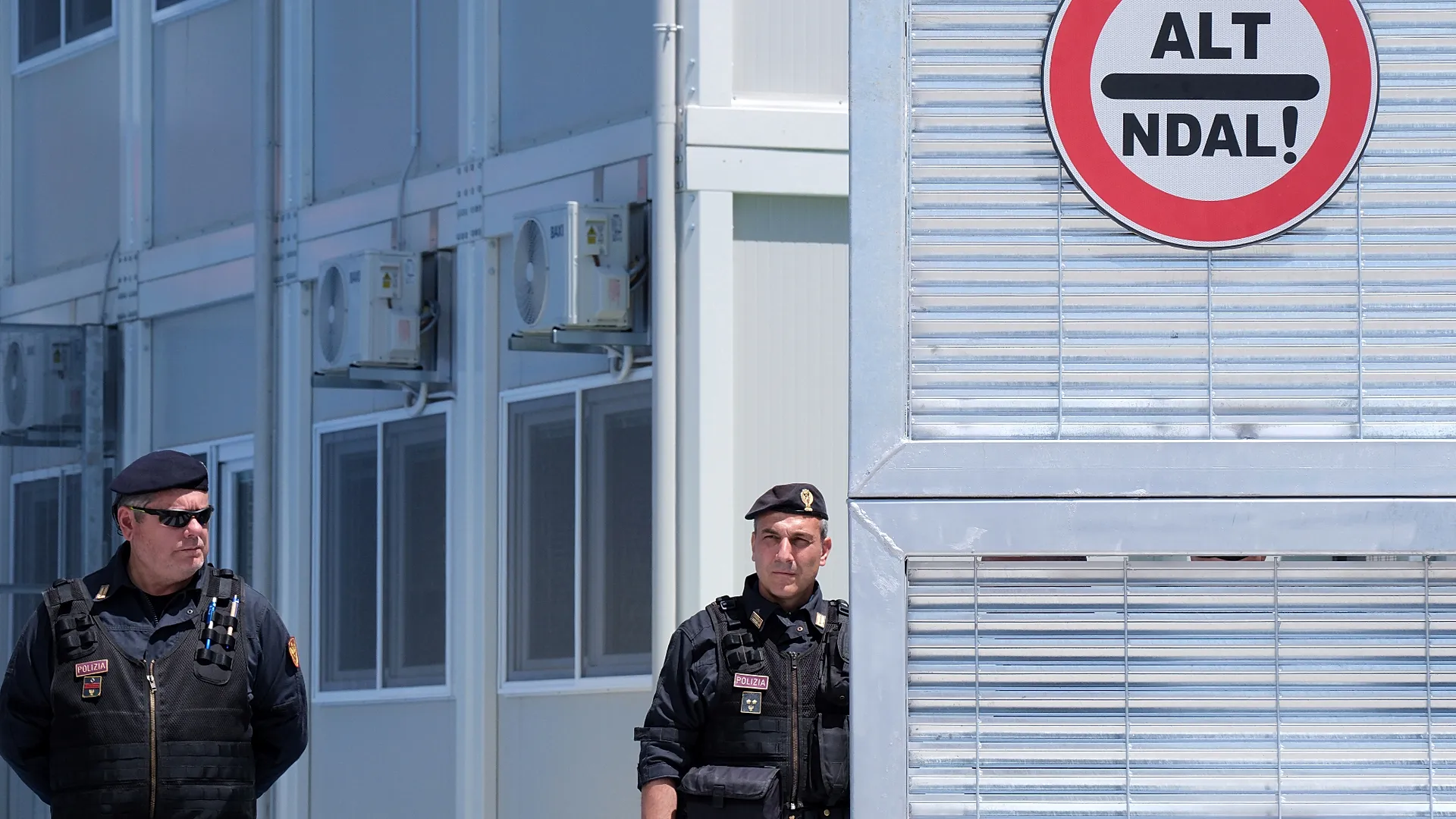
Borders are moving beyond the map.
Brussels, June 2026. The European Union has taken a decisive step toward externalizing migration control by backing return hubs outside the bloc, a model politically associated with Giorgia Meloni’s Italy and her agreement with Albania. The measure seeks to accelerate deportations of people whose asylum claims are rejected or who are deemed to have no right to remain in EU territory. Supporters describe it as a tool of administrative efficiency; critics see it as the institutionalization of exclusion beyond European legal visibility.
The reform marks one of the hardest turns in European migration policy since the 2015 crisis. Under the new framework, EU states would be able to send migrants to third-country return hubs, even when those people have no personal connection to the destination country. The logic is simple and severe: move the problem away from European soil, reduce domestic political pressure and convert migration management into a geopolitical bargaining system.
Meloni’s influence is visible because Italy normalized the idea that migration control could be outsourced through bilateral agreements with non-EU states. What was once treated as a controversial national experiment is now becoming a European reference point. The shift reveals how the political center in Europe has absorbed part of the far-right migration agenda, translating it into legal language, bureaucratic procedure and border-security doctrine.
The policy also exposes a deeper transformation in EU power. Migration is no longer being managed only through asylum offices, coast guards or border posts, but through trade leverage, visa policy, aid packages and diplomatic pressure on third countries. Europe is building a system in which access to cooperation, money and mobility can be conditioned on whether external governments accept deported migrants.
The legal and ethical risks are significant. Human rights groups warn that offshore return hubs could weaken procedural guarantees, increase arbitrary detention and place vulnerable people beyond effective judicial protection. The EU insists that fundamental rights will be safeguarded, but the core contradiction remains: the farther a person is moved from European territory, the weaker the practical capacity for oversight becomes.
For African, Balkan or other potential host countries, the arrangement could create a new dependency economy around migration containment. Governments may accept European funding in exchange for absorbing political, legal and humanitarian risks that EU states no longer want to hold directly. That dynamic turns migration into a transactional market of sovereignty, where weaker states are paid to manage Europe’s unresolved domestic tensions.
The broader political message is unmistakable. Europe is not abandoning human rights language, but it is redesigning the geography in which those rights operate. By relocating enforcement beyond its borders, the EU can claim institutional control while reducing the visibility of suffering. That is the strategic danger of the Meloni model becoming European doctrine: it does not eliminate the migration crisis; it exports its moral cost.
What emerges is a continent trying to preserve liberal legitimacy while adopting increasingly illiberal instruments. The return hubs may improve deportation statistics, but they also risk redefining Europe’s identity from a rights-based union into a fortress that governs through distance. The real question is not whether the policy will move migrants out of sight, but whether Europe can still recognize itself once it does.
Más allá de la noticia, el patrón. / Beyond the news, the pattern.