

 Phoenix 24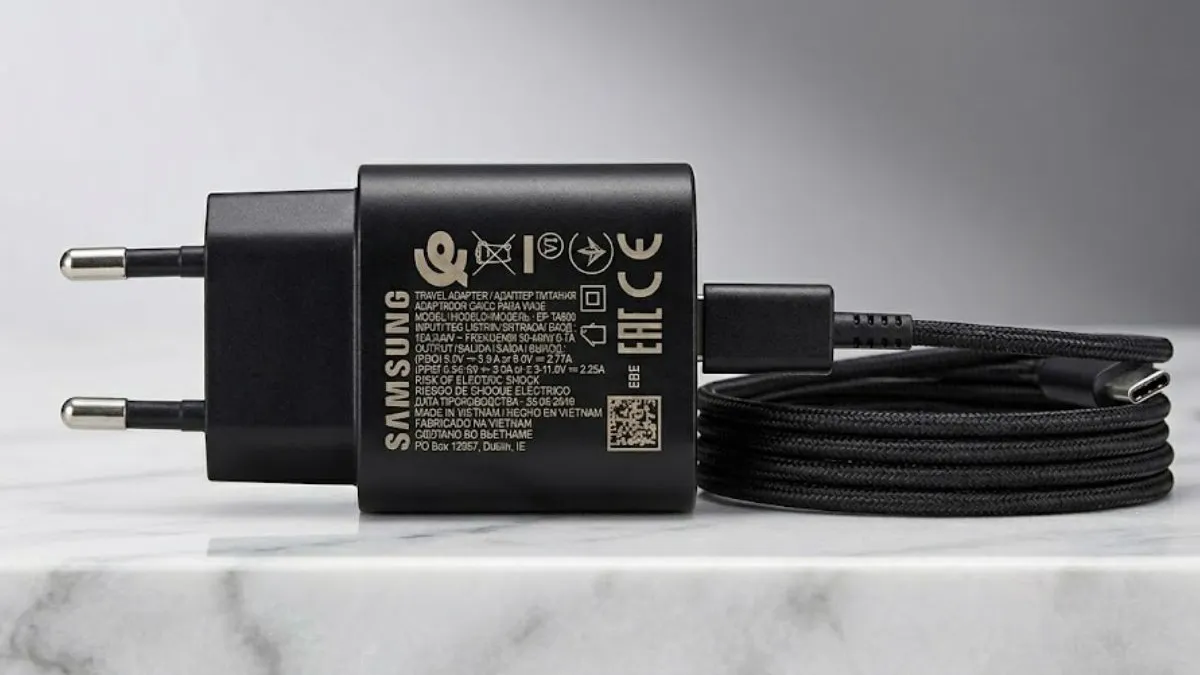
Those tiny symbols matter more than you think.
San Francisco, May 2026
Most smartphone users plug in a charger without paying attention to the letters and numbers printed on its surface. Yet those small markings contain critical information about power delivery, charging speed, compatibility and safety. Understanding them can help users charge devices more efficiently and avoid accessories that may damage batteries or reduce performance.
One of the most important sections is the input specification, usually displayed as a range such as “100–240V” and “50/60Hz.” This indicates that the charger can operate across different electrical systems around the world, allowing it to function safely in countries with different voltage standards. For travelers, this capability has become standard in modern chargers.
The output specification is even more relevant. Numbers such as “5V,” “9V,” “12V,” or “20V” indicate voltage levels, while figures expressed in amperes, such as “2A” or “3A,” indicate current. When multiplied together, they reveal the charger’s wattage. A charger rated at 20 watts will generally recharge a smartphone faster than one rated at 5 watts, provided the device supports that charging speed.
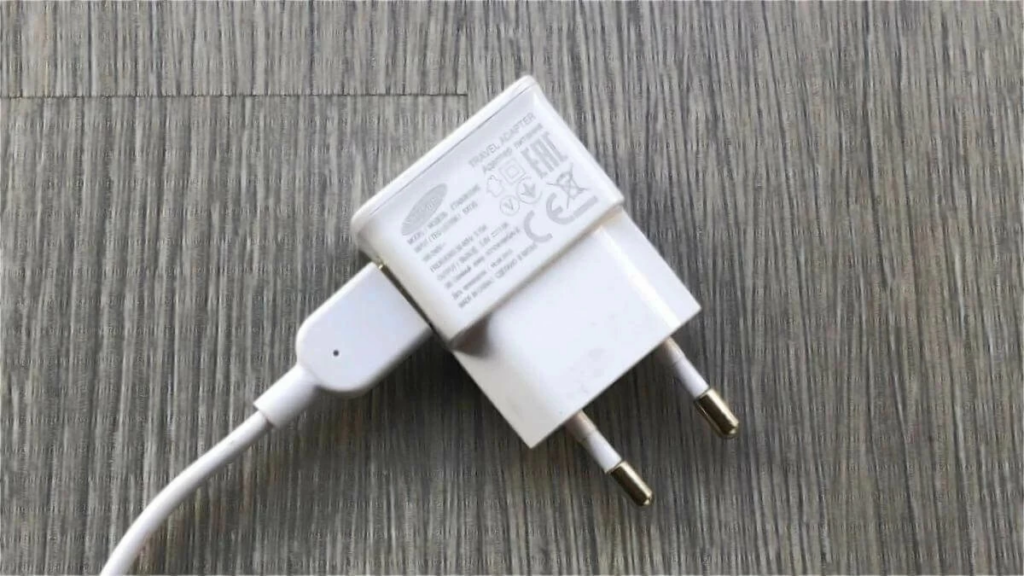
Modern chargers often include abbreviations such as PD, PPS or QC. PD stands for Power Delivery, a widely adopted USB-C fast-charging standard that allows devices and chargers to negotiate the most efficient power level. PPS, or Programmable Power Supply, dynamically adjusts voltage and current for improved efficiency and battery health. QC refers to Quick Charge, a fast-charging technology commonly associated with Qualcomm-powered devices.
Another symbol worth understanding is the certification mark. Depending on the region, chargers may display safety and compliance logos indicating that the product has passed electrical and quality standards. These markings are more than bureaucracy; they provide assurance that the charger has been tested to reduce risks such as overheating, electrical faults or premature failure.
Consumers often assume that all chargers are essentially identical. In reality, two chargers may look the same while delivering dramatically different performance. A low-quality charger may charge slowly, generate excessive heat or fail to communicate properly with modern devices. A well-designed charger can improve charging efficiency, protect battery longevity and support multiple devices through advanced power management.
As smartphones become more powerful and batteries larger, charging technology has evolved into a sophisticated system of communication between the device and its power source. Those tiny letters and numbers printed on the charger are not random codes. They are the specifications that determine how quickly, safely and efficiently energy reaches the device in your hand.
Information that anticipates futures. / Información que anticipa futuros.