

 Phoenix 24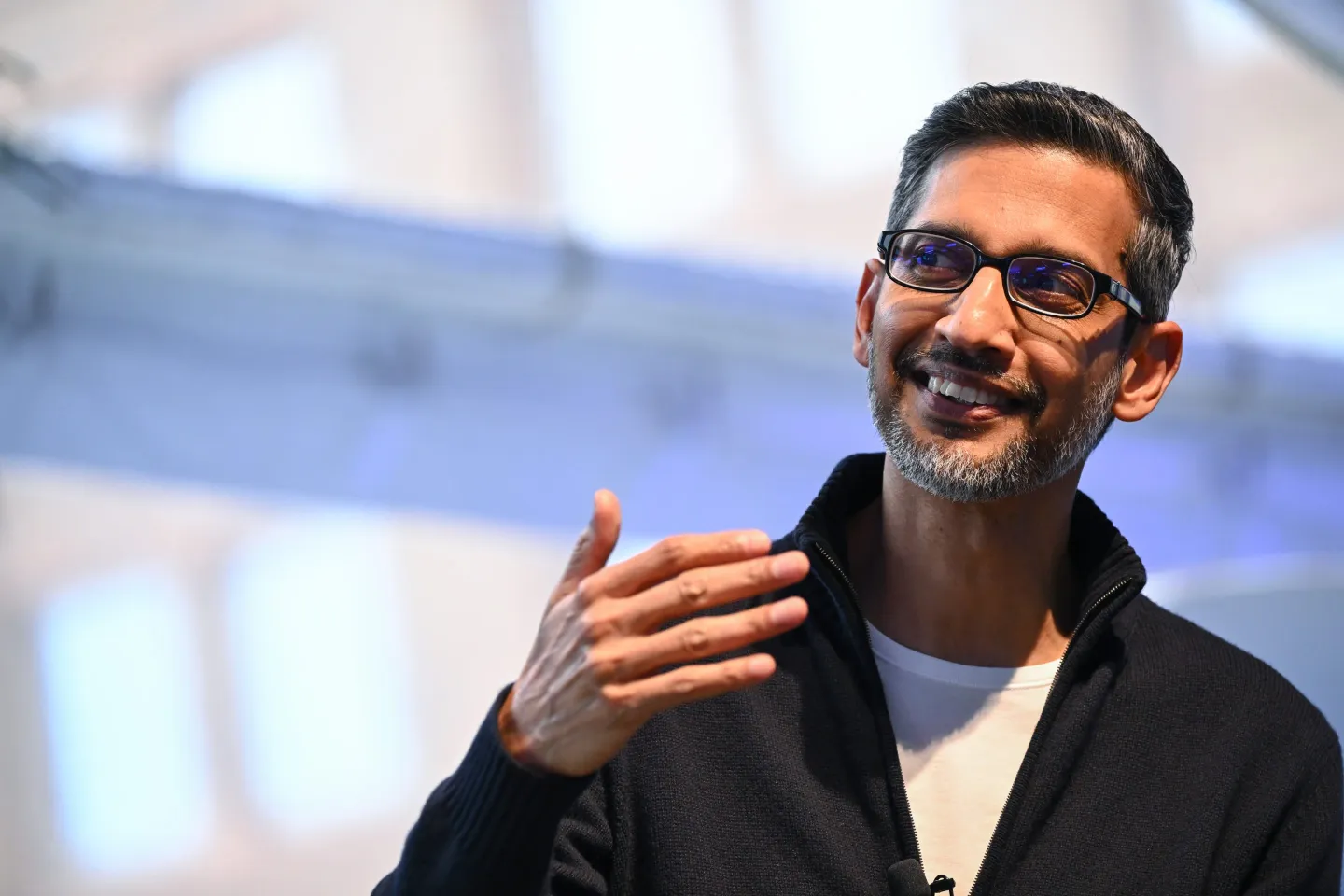
The company never left the battlefield.
Mountain View, May 2026. Google’s return to the center of the artificial intelligence race has exposed how quickly Silicon Valley can misread structural power. After the launch of ChatGPT in 2022, the market narrative suggested that Google had lost the future it helped invent. Three years later, that judgment looks premature: Alphabet has crossed the four-trillion-dollar valuation threshold, while Gemini has become one of the most visible AI systems in global digital traffic.
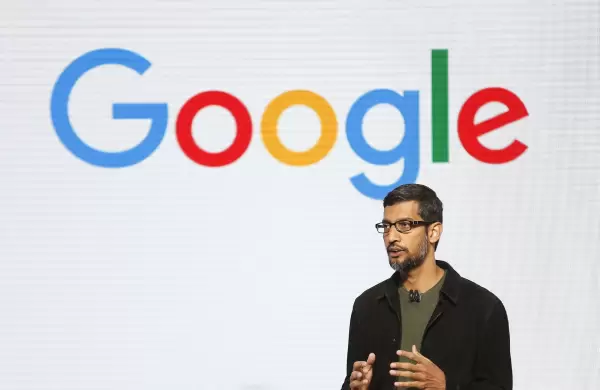
The company’s advantage is not only a chatbot. Google controls search, Android, YouTube, Chrome, cloud infrastructure, advertising data, AI models and proprietary chips, giving it a full-stack position that few competitors can match. While rivals fight for user attention through isolated products, Google is embedding artificial intelligence into the operating layers of everyday digital life.
That is the real shift. AI is no longer being sold only as a conversational interface, but as an invisible system inside documents, search, video, shopping, devices and enterprise workflows. Google’s strategy is to reduce friction until the user stops noticing where the search engine ends and the agent begins. In that model, dominance does not depend on spectacle, but on integration.
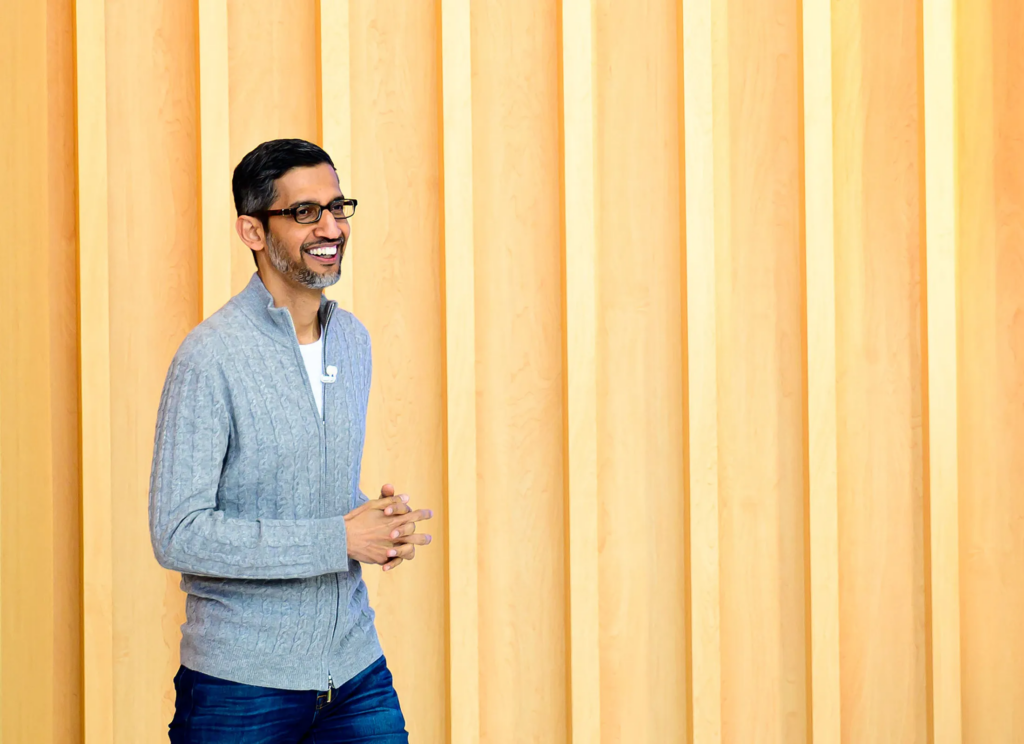
The market’s reversal also reflects a deeper lesson about technological cycles. Companies with infrastructure, distribution and capital can appear slow during moments of disruption because they must protect existing businesses while building the next platform. Google’s risk was real, but so was its advantage: it had the data, engineering base and global product ecosystem required to absorb the shock.
The unresolved question is whether this comeback strengthens innovation or concentrates too much power in one corporate architecture. If AI becomes the interface through which people search, work, buy, learn and communicate, control over that interface becomes a form of economic governance. Google may not have won the AI race completely, but it has reminded the market that the most powerful player is often the one already inside the system.
Narrative is power too. / La narrativa también es poder.