

 Phoenix 24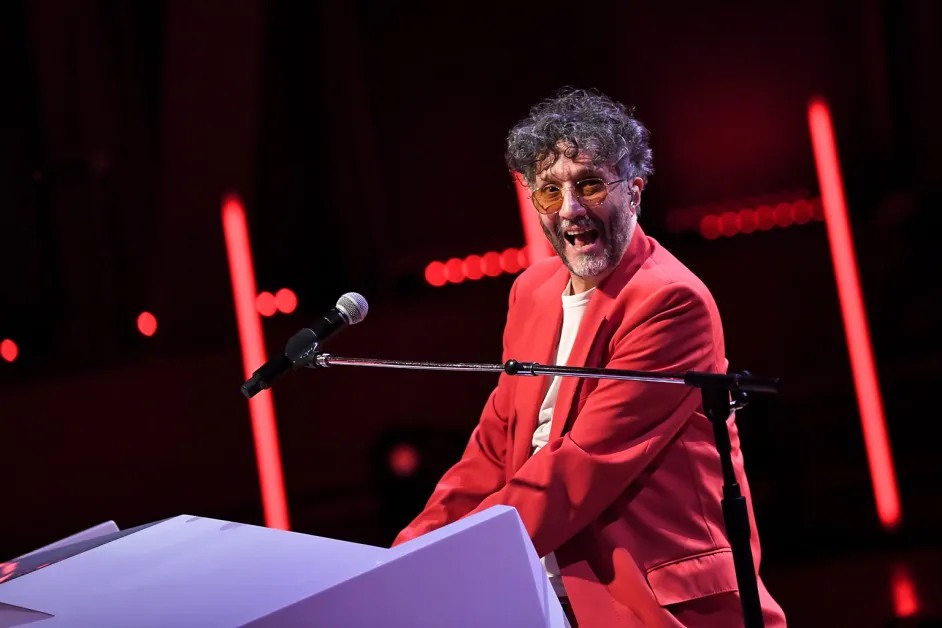
Creation still moves when the world hardens.
Buenos Aires, May 2026. Fito Páez returned to the public conversation with a reflection on music as a restorative force in an age marked by technological acceleration, social fatigue and cultural noise. His words echo the artistic lineage of Luis Alberto Spinetta and revive an old Argentine rock conviction: creation is not decoration, but a way of staying alive.
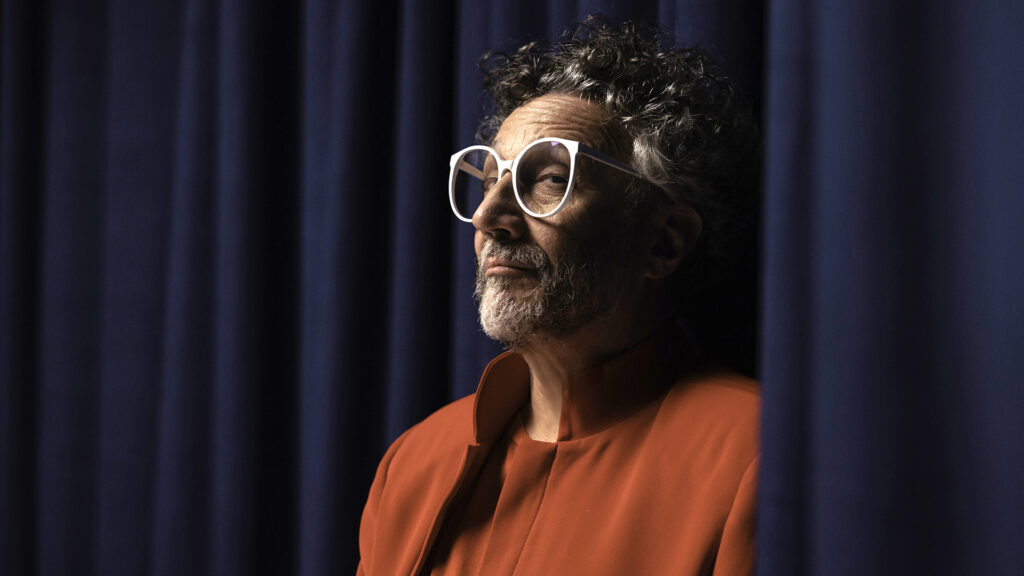
The text places music beyond entertainment. Páez presents it as an emotional, poetic and almost alchemical matter capable of organizing chaos without denying its wounds. In that sense, his argument does not romanticize art as escape. It frames music as a language that helps individuals endure, think and transform reality from within.
The reference to Spinetta is not accidental. Both artists share a deep place in Argentina’s musical memory, especially through their 1986 collaborative album, a work that joined two generations of songwriting, experimentation and poetic ambition. When Páez invokes the idea that a warrior never stops moving forward, he is not only citing a cultural master. He is reaffirming a discipline of artistic persistence.
The essay also arrives at a moment when artificial intelligence, algorithmic platforms and industrialized attention are reshaping how music is created, distributed and consumed. Páez’s position resists the reduction of art to content. His defense of music suggests that technology may change formats, but it cannot fully replace the human wound from which meaningful creation emerges.
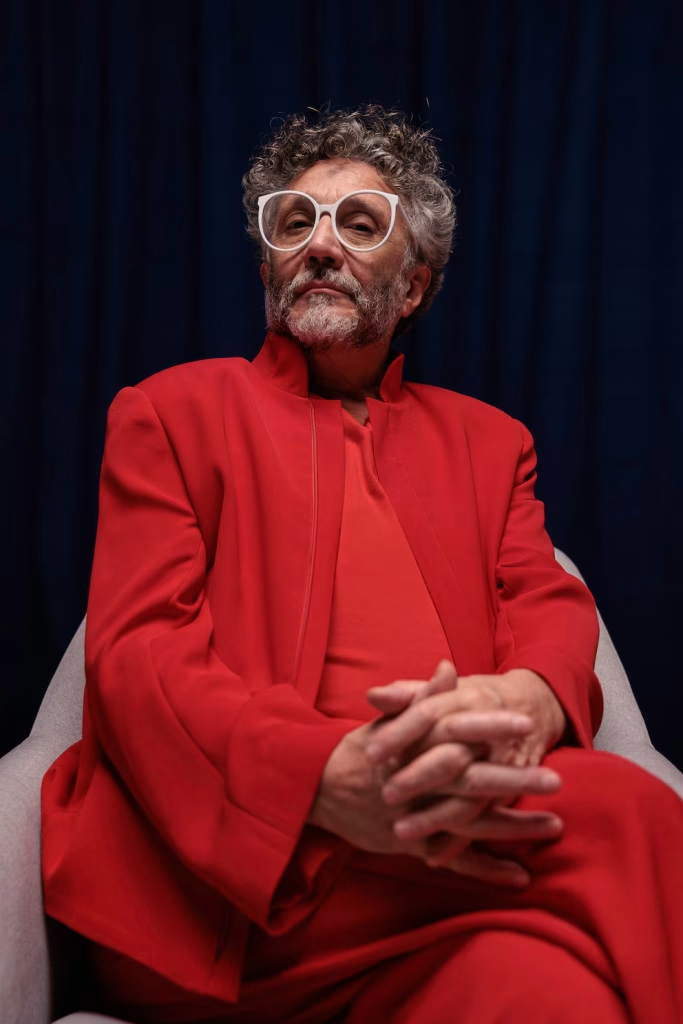
What gives the reflection its force is its refusal to treat music as nostalgia. Páez does not defend the past as a museum. He defends movement, risk and continuity. In that sense, the Spinetta maxim becomes less a quotation than a method: the artist must keep walking even when the cultural ground becomes unstable.
This is why the text matters beyond its literary beauty. It reminds a digitized era that music still carries memory, rebellion, tenderness and structure. Against noise, acceleration and disposable consumption, Páez offers a simple but demanding idea: art survives only when it refuses to stop marching.
Narrative is power too. / La narrativa también es poder.