

 Phoenix 24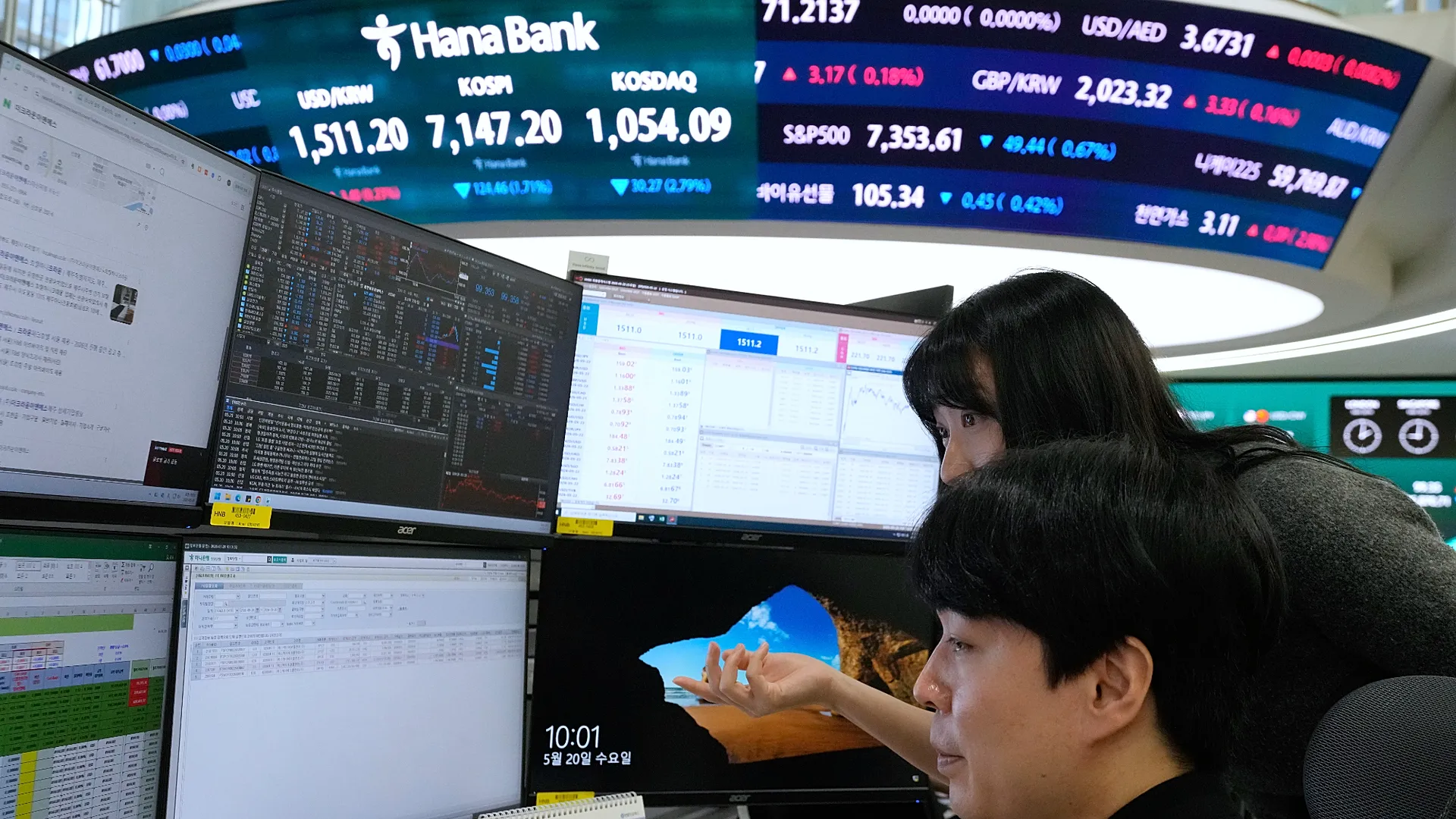
Wall Street rallies, but energy anxiety remains unresolved.
New York, May 2026
Global markets moved higher as investors reacted to renewed expectations of a diplomatic opening between Washington and Tehran, even while oil prices remained elevated by the ongoing instability surrounding Iran and the Strait of Hormuz. The contradiction reflects the defining mood of the current market cycle: optimism in financial assets coexisting with structural fear in energy markets.
European indices advanced alongside gains in the United States and parts of Asia, driven partly by technology stocks and expectations that the worst phase of the Iran conflict may eventually stabilize. Yet the recovery remains fragile because crude prices continue to operate as a geopolitical risk premium attached to the global economy.
The central pressure point remains the Strait of Hormuz. Even without a total closure, uncertainty around shipping routes, tanker security, and Iranian military signaling has kept Brent crude at elevated levels. Energy traders are no longer pricing only current supply disruptions, but the possibility of prolonged strategic instability across the Gulf.
That explains the paradox now visible across financial markets. Equity investors are betting on eventual diplomatic containment, while energy markets continue behaving as if escalation remains one miscalculation away. The result is a world economy operating under two simultaneous narratives: speculative confidence and logistical insecurity.
For governments and central banks, this duality complicates everything. Rising oil prices continue feeding inflation fears across Europe and beyond, limiting the room for aggressive rate cuts and increasing pressure on transportation, manufacturing, and household consumption. Markets may celebrate temporary diplomatic signals, but the energy system still behaves like a battlefield.
Lo visible y lo oculto, en contexto. / The visible and the hidden, in context.