

 Phoenix 24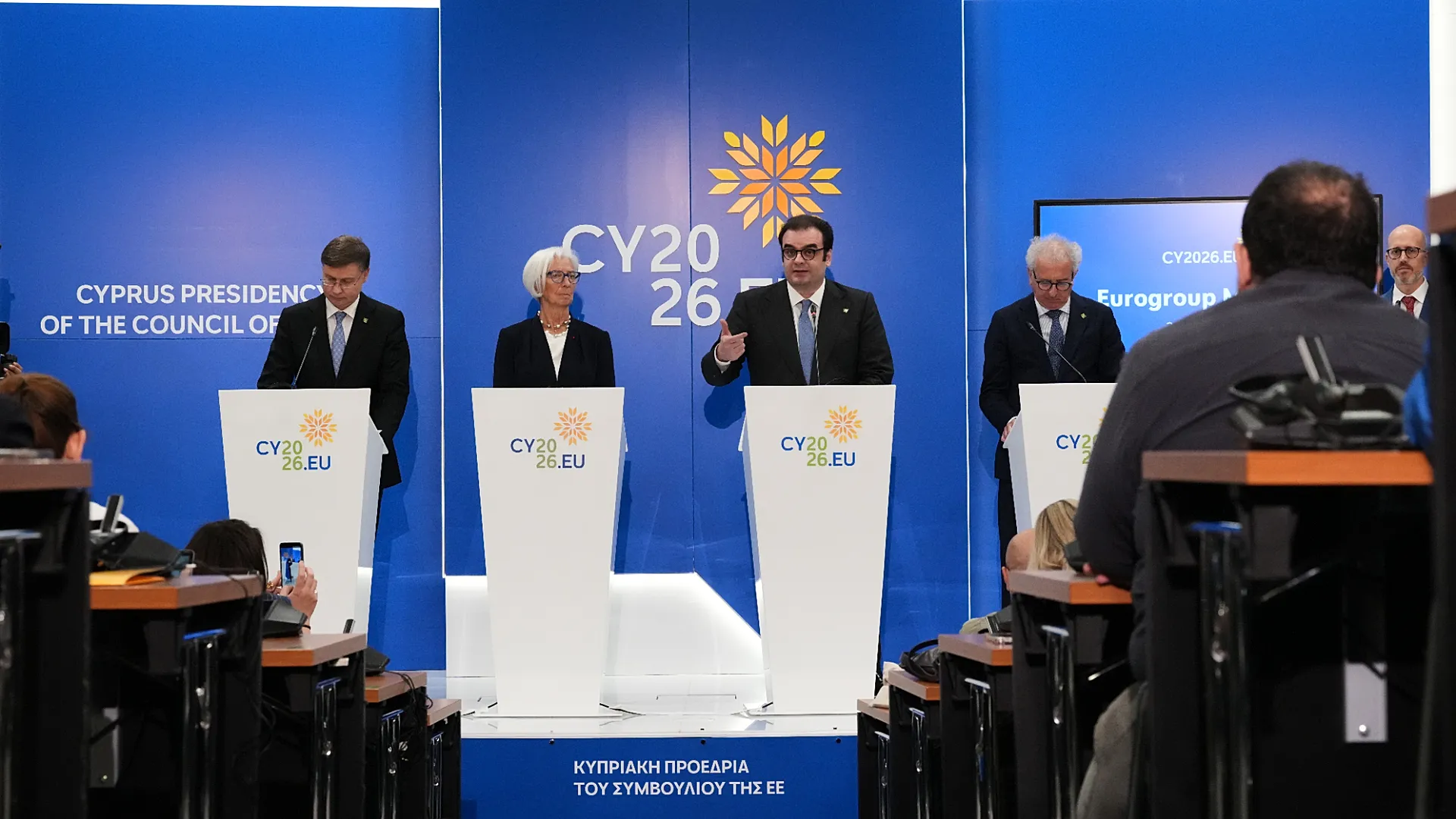
Brussels fears inflation, but fears political unrest more.
Brussels, May 2026
The European Union is beginning to consider limited fiscal flexibility to confront the latest energy shock, as Giorgia Meloni intensifies pressure on Brussels to treat energy security with the same urgency as defense spending. Behind the debate lies a larger European dilemma: how to preserve fiscal discipline while societies face another wave of rising fuel, electricity, and industrial costs.
Italy’s argument is politically strategic. Rome believes the EU created extraordinary fiscal escape mechanisms for military spending while refusing to extend similar flexibility to households and industries hit by energy prices. Meloni is reframing energy not as an economic inconvenience, but as a continental security issue capable of destabilizing governments, supply chains, and industrial competitiveness.
Yet resistance inside the Eurogroup remains strong. Fiscal conservatives fear that broad spending programs could deepen inflationary pressure and weaken already fragile public finances. Their preference is for narrowly targeted measures rather than another era of expansive subsidies and debt accumulation. The fracture is ideological as much as technical: southern economies demand breathing room while Brussels fears a return to permanent exception politics.
What is emerging is a deeper transformation of European governance. The EU’s traditional fiscal architecture was designed for predictable economic cycles, not for an era defined by war corridors, energy chokepoints, sanctions, supply disruptions, and geopolitical fragmentation. Defense spending already pushed Brussels toward selective flexibility. Energy may become the second breach in the old austerity framework.
The real question is no longer whether Europe will spend more during crises. It is whether Brussels can continue presenting exceptional spending as temporary while the continent enters what increasingly looks like a permanent age of strategic instability.
Lo visible y lo oculto, en contexto. / The visible and the hidden, in context.