

 Phoenix 24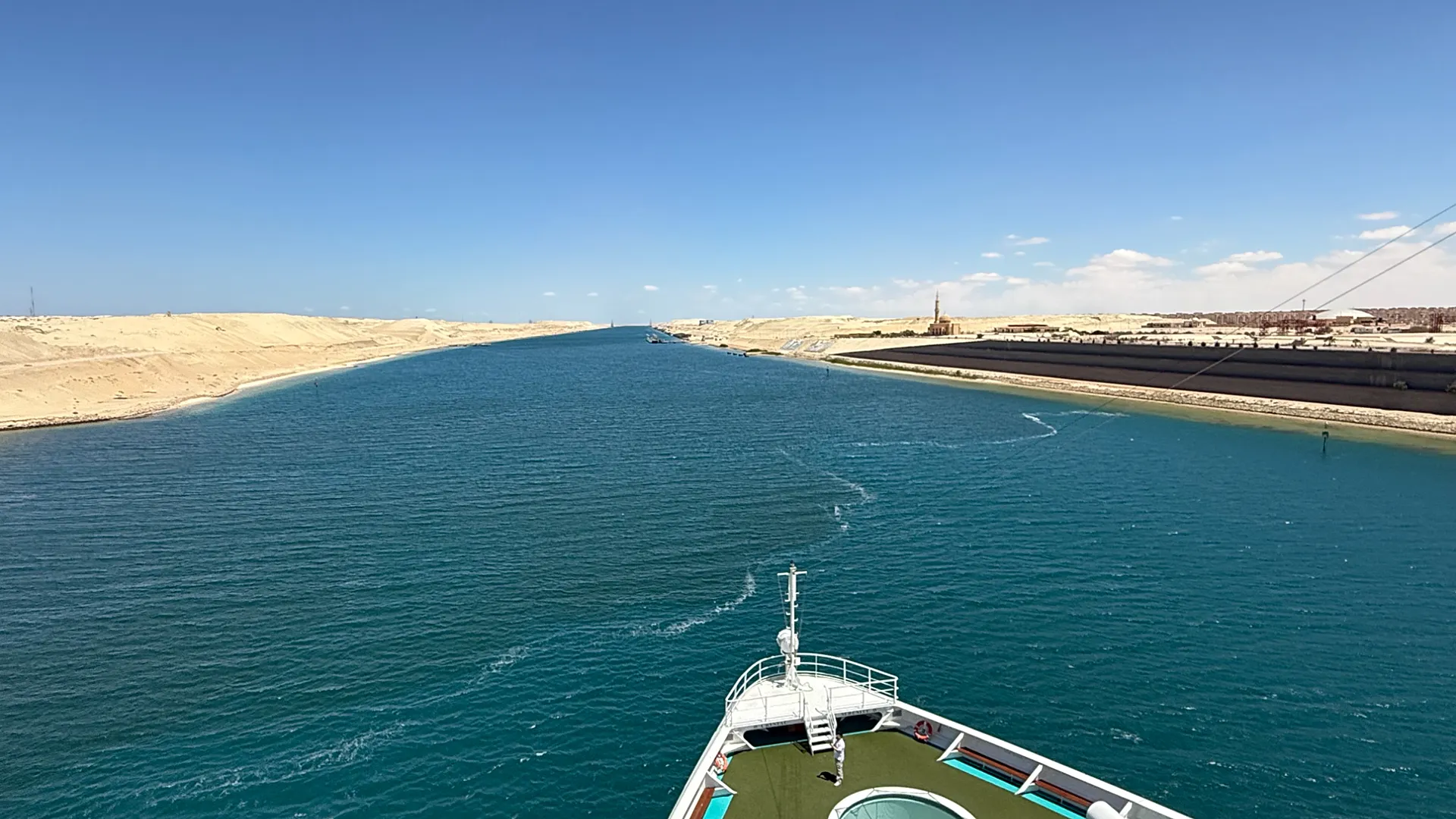
Travel now depends on the stability of chokepoints.
Cairo, May 2026. A summit around the Suez Canal has placed global tourism under renewed pressure as industry leaders, shipping actors and regional authorities assess how instability in strategic maritime corridors could affect travel, cruise routes and international mobility. The concern is no longer limited to cargo. When chokepoints become unstable, tourism also absorbs the shock.
The Suez Canal remains one of the world’s most important arteries for trade, energy and cruise navigation. Any disruption around the route can force operators to redesign itineraries, increase insurance costs and reconsider passenger safety in areas linked to regional conflict. For cruise companies, uncertainty can quickly become a logistical and reputational risk.
The tourism sector is especially vulnerable because it depends on confidence before movement occurs. Travelers may not follow maritime law or shipping data, but they do react to headlines about war, attacks, delays and rerouted vessels. Perception can damage demand even before physical disruption reaches ports.
The crisis also shows how deeply connected leisure travel has become to geopolitics. A cruise itinerary through the Red Sea, the Mediterranean or the Suez corridor is not only a vacation product. It is a route through a contested security environment shaped by regional tensions, energy flows and military calculations.
For Egypt, the stakes are enormous. The canal is a strategic asset, a source of revenue and a symbol of national relevance. If insecurity weakens confidence in the corridor, the impact could extend from maritime income to hotels, ports, airlines and local tourism economies.
The message from Suez is clear: global tourism can no longer treat geopolitics as background noise. In an era of chokepoint instability, every journey depends on invisible systems of security, diplomacy and trust.
Más allá de la noticia, el patrón. / Beyond the news, the pattern.