

 Phoenix 24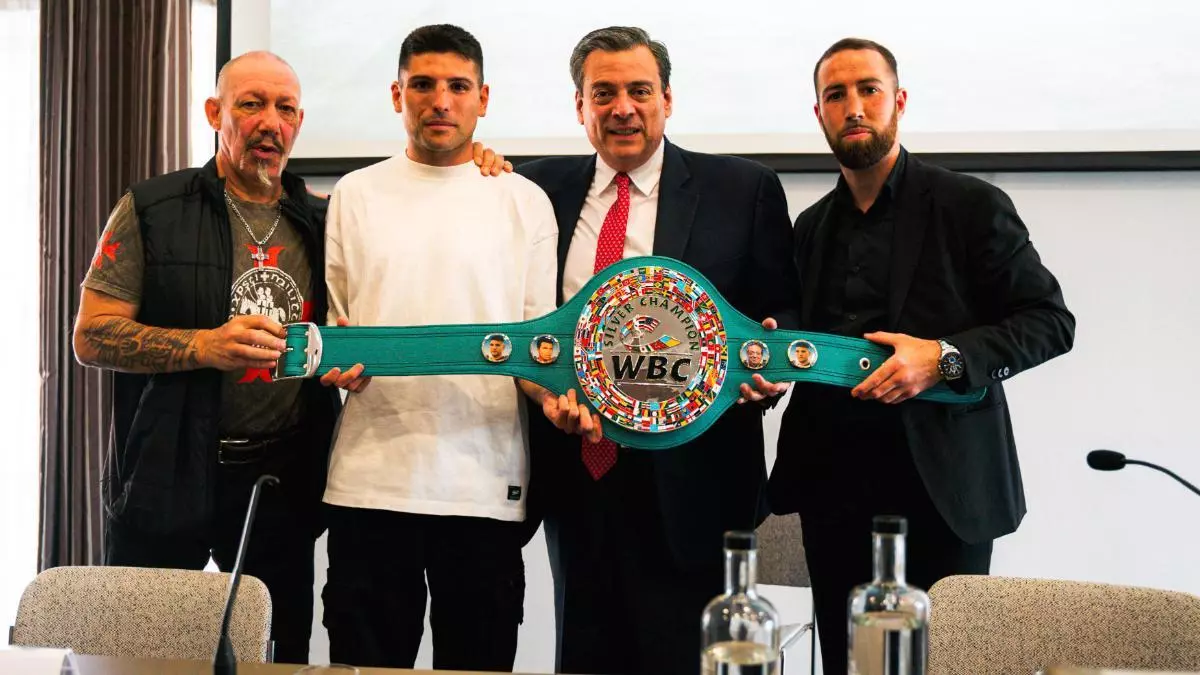
The ring still preserves urban memory.
Barcelona, May 2026. Boxing returned to the city’s emotional foreground through a visit to one of its emblematic sporting spaces, a reminder that the discipline still carries a cultural force beyond spectacle. In an era dominated by football, streaming narratives, and fast digital consumption, the gym remains a different kind of institution: physical, demanding, intimate, and resistant to noise.
The visit worked as more than a ceremonial stop. It exposed the hidden architecture of a sport built on discipline, neighborhood identity, repetition, and sacrifice. Boxing does not survive only through major fights or televised events. It survives through rooms where young athletes learn footwork, control, humility, fear management, and the slow grammar of resilience.
Barcelona’s relationship with boxing has always lived between visibility and marginality. The city can turn global sport into spectacle, but boxing continues to operate closer to the ground, inside clubs, gyms, and local communities that preserve memory without needing constant headlines. That is precisely where its value lies.
The symbolic weight of an emblematic boxing venue is not nostalgia alone. It is evidence that sport can still function as a social language, especially for young people seeking discipline, belonging, and structure. The ring does not promise easy glory. It demands presence, routine, and emotional containment.
This is why the visit matters. It places boxing back inside the civic imagination of Barcelona, not as a relic, but as a living practice. Beneath the city’s polished sports industry, the old codes remain: gloves, sweat, silence, respect, and the stubborn belief that character is built before applause arrives.
Every silence speaks. / Every silence speaks.