

 Phoenix 24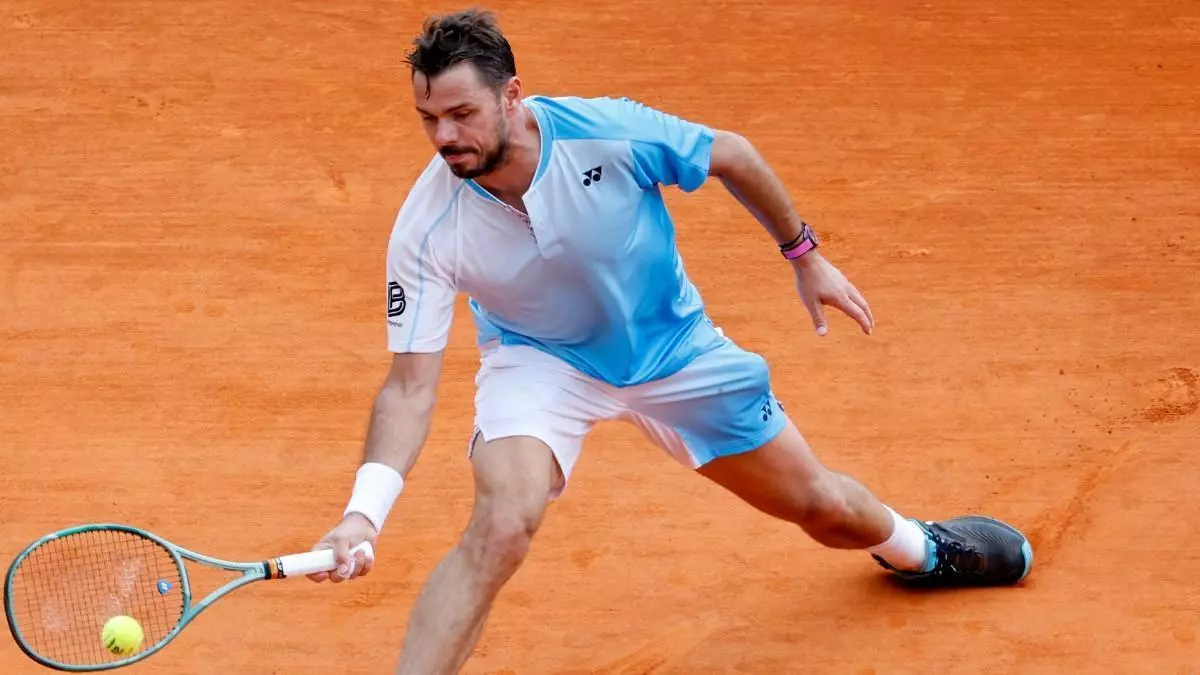
Paris gives memory one more place in the draw.
Paris, May 2026. Stan Wawrinka and Gaël Monfils received wildcards for the Roland Garros main draw, giving two of tennis’ most recognizable veterans another appearance on the clay stage that shaped part of their legacy. The decision places experience, symbolism and national memory inside a tournament increasingly defined by generational replacement.
Wawrinka arrives as a former Roland Garros champion and one of the few players of his era capable of breaking through the dominance of Novak Djokovic, Rafael Nadal, Roger Federer and Andy Murray at Grand Slam level. His current ranking no longer reflects the force of his peak, but Paris still carries the memory of his 2015 title and the authority of a player who built his career on late-stage resistance, heavy shot-making and emotional endurance.
Monfils’ invitation carries a different weight. For French tennis, he is not only a veteran competitor, but one of the last living bridges to a generation that included Jo-Wilfried Tsonga, Gilles Simon and Richard Gasquet. His likely final Roland Garros gives the tournament a farewell dimension, turning the wildcard into both a sporting decision and an act of institutional recognition.
The contrast between both cases is revealing. Wawrinka represents the international champion whose résumé justifies one more major stage. Monfils represents the domestic icon whose presence still activates public memory, stadium energy and the emotional architecture of French tennis. Neither arrives as a favorite, but both arrive with a form of symbolic capital that ranking tables cannot fully measure.
The rest of the wildcard list also shows the tournament’s dual logic. Roland Garros must honor legacy while opening doors to younger players, local prospects and emerging names from partner federations. In that balance, wildcards become more than administrative invitations; they become editorial decisions about what a Grand Slam chooses to remember and what it chooses to project.
For Wawrinka and Monfils, Paris is no longer about conquest in the conventional sense. It is about presence, dignity and the possibility that one match, one night session or one unexpected run can briefly suspend time. Roland Garros is giving them access to the draw, but the crowd will decide how much myth remains.
La narrativa también es poder. / Narrative is power too.