

 Phoenix 24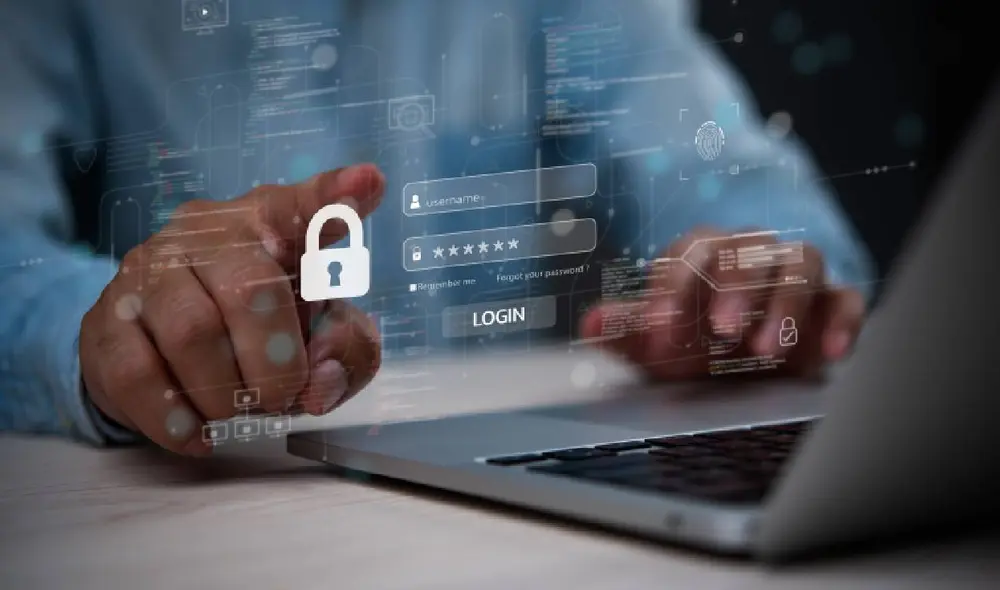
Remote lock is becoming digital survival.
Mexico City, May 2026. Smartphones now store banking access, biometric credentials, work documents, private conversations and location histories, turning every stolen device into a portable intelligence target. That is why Android and iPhone systems increasingly prioritize remote-lock functions capable of blocking access, tracking the device and protecting sensitive information after a robbery.
On Android, protection is linked to Google security services through Find My Device, which allows users to remotely lock, locate or secure a stolen phone. On iPhone, Lost Mode inside the Find My network can block access, show an emergency message and help track the device. In both ecosystems, the key is preparation: these tools must be activated before the theft occurs.
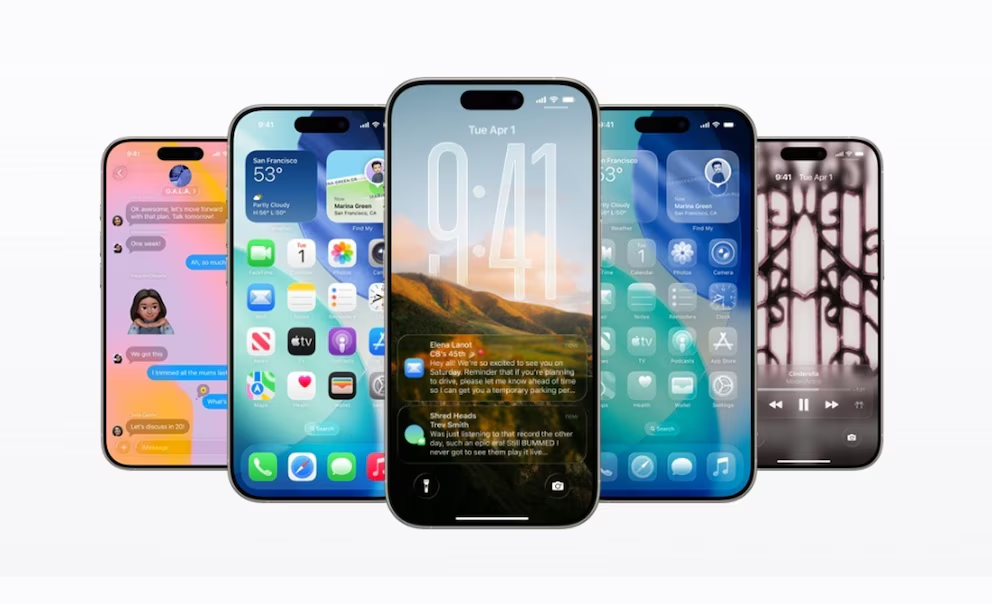
The real issue extends beyond the physical loss of the phone. Modern cybercrime often focuses on rapid extraction of banking credentials, social media accounts, emails and identity information during the first minutes after a device is stolen. A stolen smartphone can quickly become a gateway to financial fraud, impersonation and private data exposure.
Remote lock should no longer be treated as an optional feature. It is now part of basic personal digital defense, especially in countries where phone theft intersects with organized fraud networks and informal resale markets. Protecting the device means protecting identity, money and reputation.
The smartphone is no longer just a communication tool. It is a portable vault operating inside contested digital territory. Losing control of it can expose far more than a screen, a SIM card or a contact list.
Phoenix24: intelligence for free audiences. / Phoenix24: inteligencia para audiencias libres.