

 Phoenix 24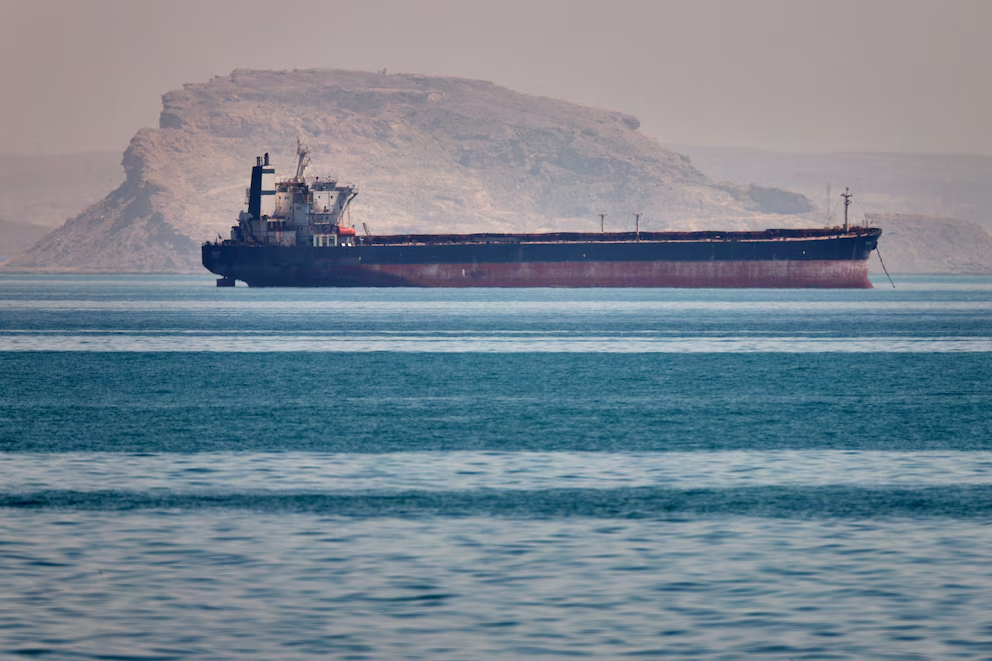
The corridor is now a weapon.
Tehran, May 2026. Iran has threatened “firm” retaliation against any vessel that refuses to follow the maritime corridor imposed by its forces in the Strait of Hormuz. The warning comes as the United States expands its operation to secure commercial navigation through one of the most sensitive energy routes in the world.
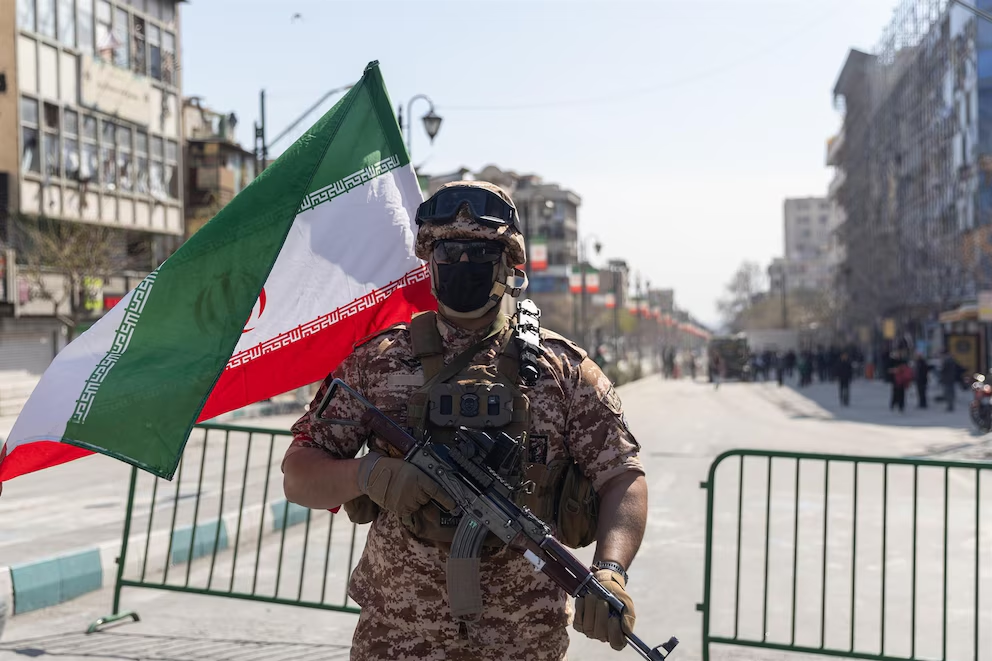
The threat changes the nature of the crisis. Tehran is no longer only signaling military pressure; it is trying to impose a parallel maritime authority over international transit. By defining which route vessels must follow and threatening punishment for noncompliance, Iran is transforming geography into coercion.
Washington’s response has been to reinforce freedom of navigation through a temporary military operation designed to help commercial ships cross the strait. That creates a dangerous dual-command environment: Iran claims control over a corridor, while the United States presents itself as guarantor of open passage. Between both positions, civilian shipping becomes exposed to miscalculation.
The economic consequences are immediate. Hundreds of vessels remain affected across the Gulf, with energy markets already pricing the risk of prolonged instability. Oil prices remain elevated, insurance costs rise and shipping companies must decide whether to wait, reroute or enter one of the most militarized maritime spaces on the planet.
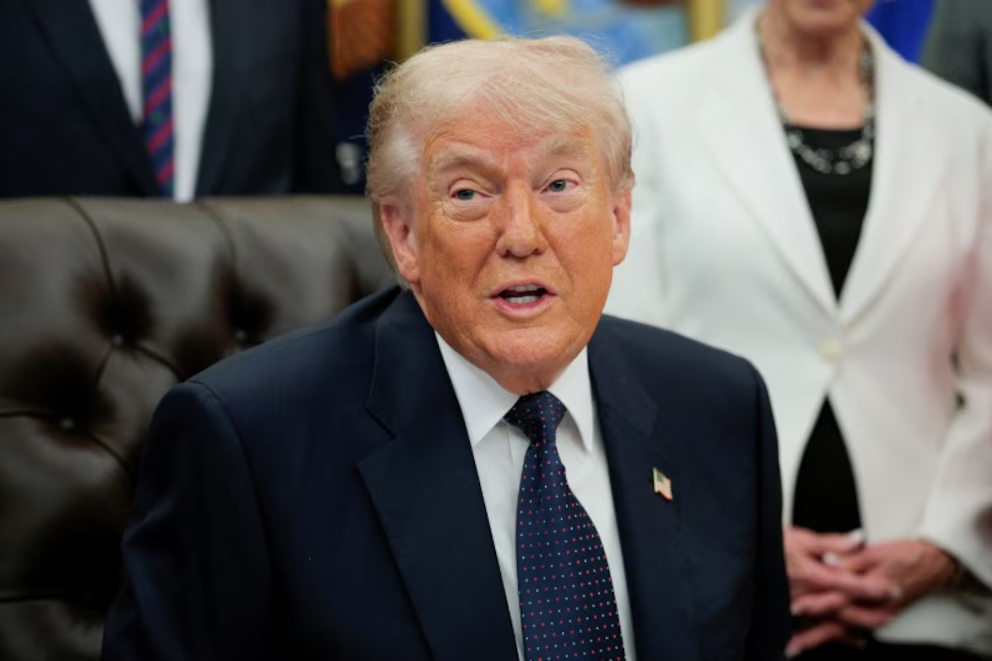
The strategic layer is even deeper. Iran’s message is aimed not only at ships, but at states, insurers, ports and energy buyers. Every commercial vessel becomes a political actor by default, because choosing a route now means choosing which authority to obey under threat.
This is the essence of maritime coercion. A narrow passage becomes a battlefield without needing a formal declaration of war. Control is asserted through ambiguity, intimidation and the possibility that one wrong movement could trigger escalation.
Hormuz is no longer just blocked, contested or protected. It is being rewritten as a zone where commerce, deterrence and sovereignty collide in real time.
Phoenix24: periodismo sin fronteras. / Phoenix24: journalism without borders.