

 Phoenix 24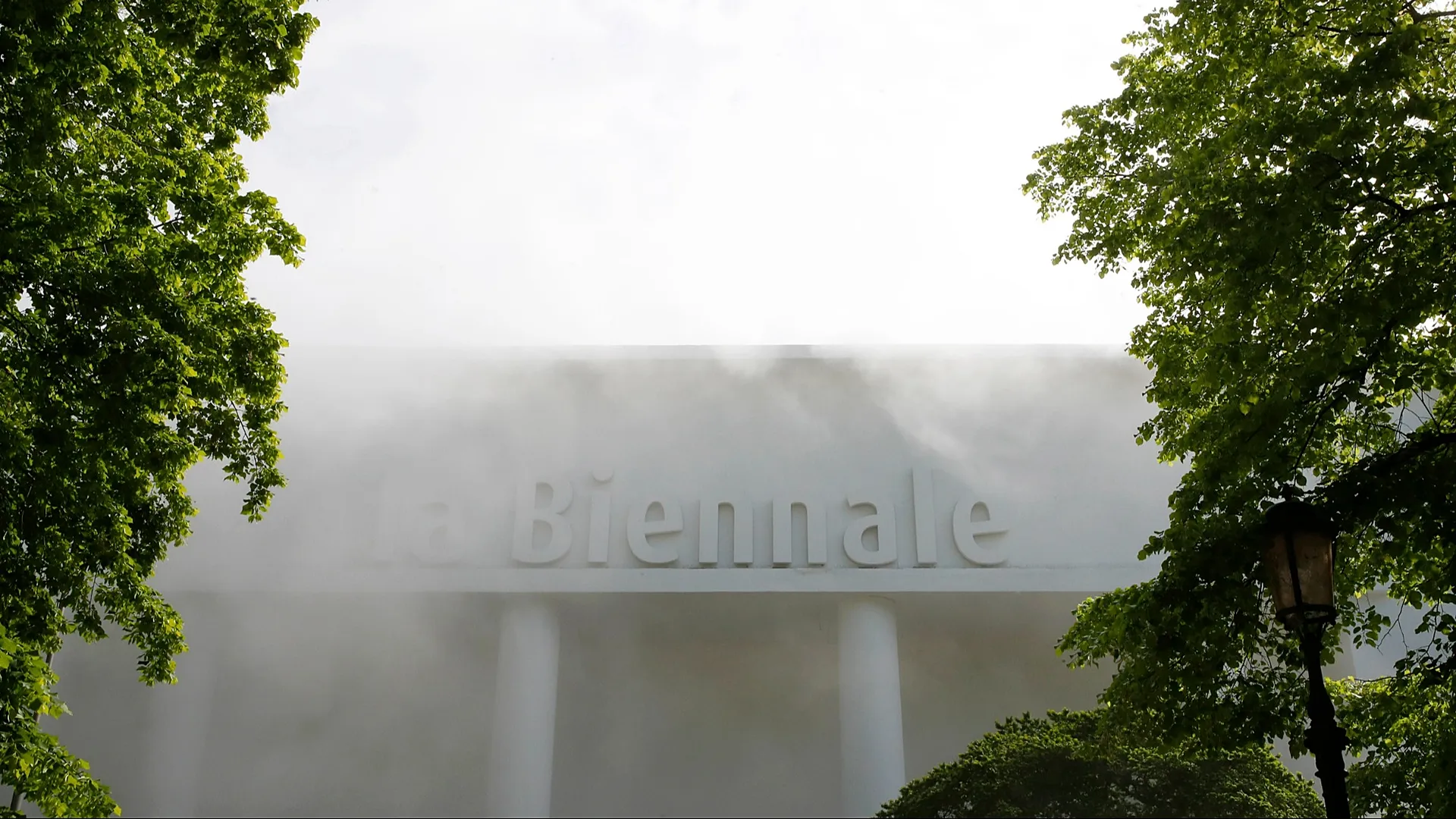
Art becomes another diplomatic battlefield.
Venice, May 2026. Iran has withdrawn from the 2026 Venice Biennale only days before the exhibition opens to the public, adding a new cultural fracture to the wider Middle East crisis. Organizers confirmed that the Islamic Republic would not participate in the 61st International Art Exhibition, but offered no detailed explanation for the decision.
The move lands in an already politicized edition of the Biennale. The exhibition has been marked by the sudden death of curator Koyo Kouoh, controversy over the inclusion of Russia and Israel, and the resignation of the jury after it refused to consider entries from countries whose leaders face international arrest warrants for crimes against humanity.
Iran’s withdrawal cannot be separated from the broader climate of confrontation. A fragile ceasefire has not ended daily threats, maritime disruption, or the immobilization of international ships around the Strait of Hormuz. In that context, cultural representation becomes more than symbolism; it becomes a measure of diplomatic temperature.
The Biennale has always presented itself as a global stage for artistic plurality, but this edition exposes the fragility of that ideal under wartime pressure. National pavilions do not operate outside geopolitics. They carry flags, legitimacy, narratives and the unresolved violence of the states they represent.
For Tehran, stepping away may serve multiple purposes. It avoids exposure in a hostile cultural arena, reinforces domestic messaging and signals that even soft-power spaces are now absorbed by geopolitical escalation. For Europe, the withdrawal sharpens the uncomfortable question of whether global art institutions can remain neutral when war, sanctions and accountability demands enter the exhibition hall.
The deeper pattern is clear. Culture is no longer a refuge from power; it is one of power’s most visible stages. What happens in Venice now reflects not only artistic debate, but the fracture of international order itself.
Iran’s absence will be read as loudly as any pavilion. In a year defined by conflict, even silence has become part of the exhibition.
La narrativa también es poder. / Narrative is power too.