

 Phoenix 24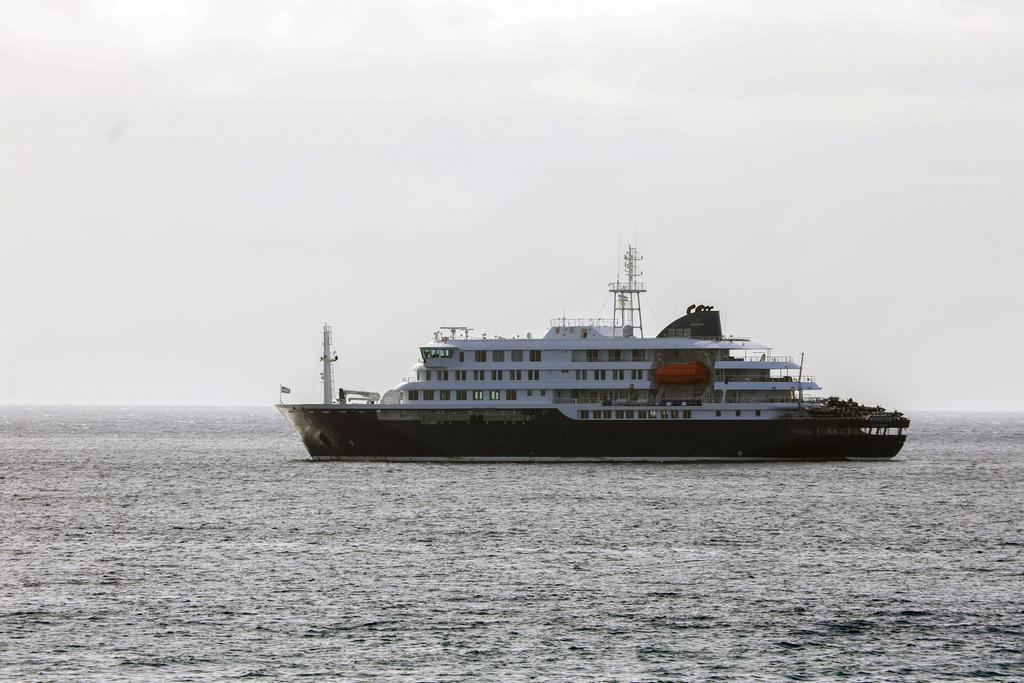
A hidden pathogen turned travel into emergency.
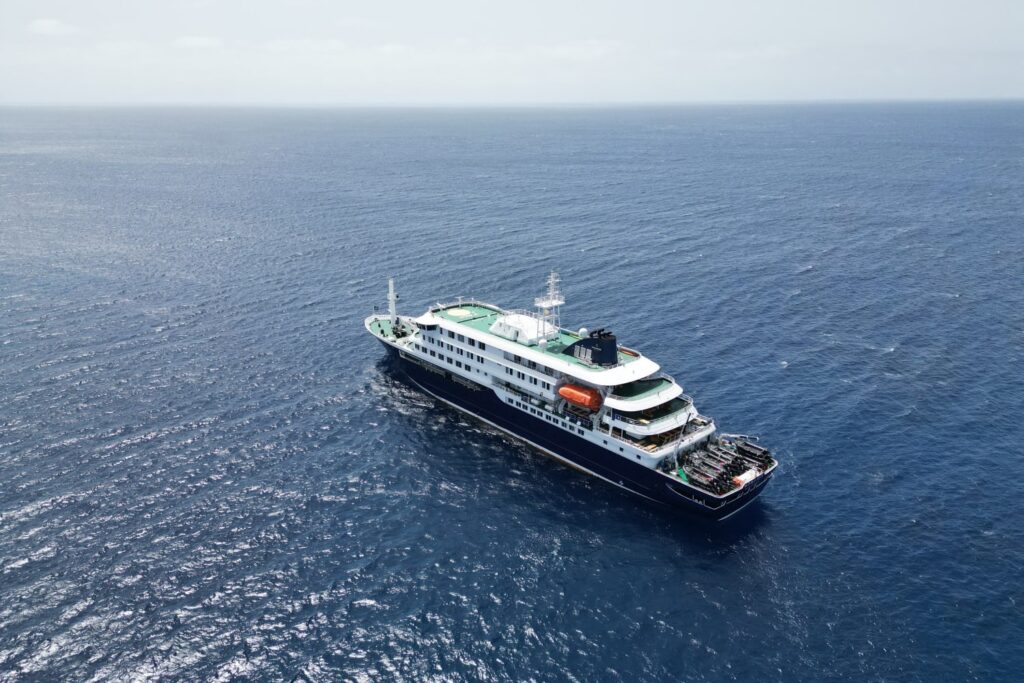
Praia, May 2026. A suspected hantavirus outbreak aboard the MV Hondius has left three people dead after the cruise ship traveled through the Atlantic following its departure from Argentina. Health authorities are investigating at least several additional suspected infections, including patients who required urgent medical evacuation and hospital care.
The vessel had carried passengers and crew through a route linked to Argentina, Antarctica, the Falkland Islands and Cape Verde, turning a specialized expedition journey into a complex public health operation. The World Health Organization is supporting epidemiological inquiries, laboratory testing and viral sequencing to determine how the infection emerged and whether more people were exposed.
Hantavirus is usually associated with contact with urine, feces or saliva from infected rodents, rather than routine person-to-person transmission. That makes the maritime context especially sensitive, because investigators must determine whether contamination occurred through storage areas, ventilation exposure, cargo handling, food spaces or another environmental route inside the ship.
The deaths underline a quiet vulnerability in global travel: even highly controlled vessels can become confined-risk environments when rare pathogens enter closed systems. Cruise ships concentrate mobility, age diversity, shared air, shared surfaces and delayed access to specialized care, making any severe respiratory infection harder to contain once warning signs appear.
For passengers, crew members and authorities, the priority now is medical monitoring, contact tracing and transparent risk communication without triggering unnecessary panic. The case is not evidence of a broad global outbreak, but it does show how quickly a localized biological incident can become an international health concern when transport, tourism and infectious disease intersect.
Hechos que no se doblan. / Facts that do not bend.