

 Phoenix 24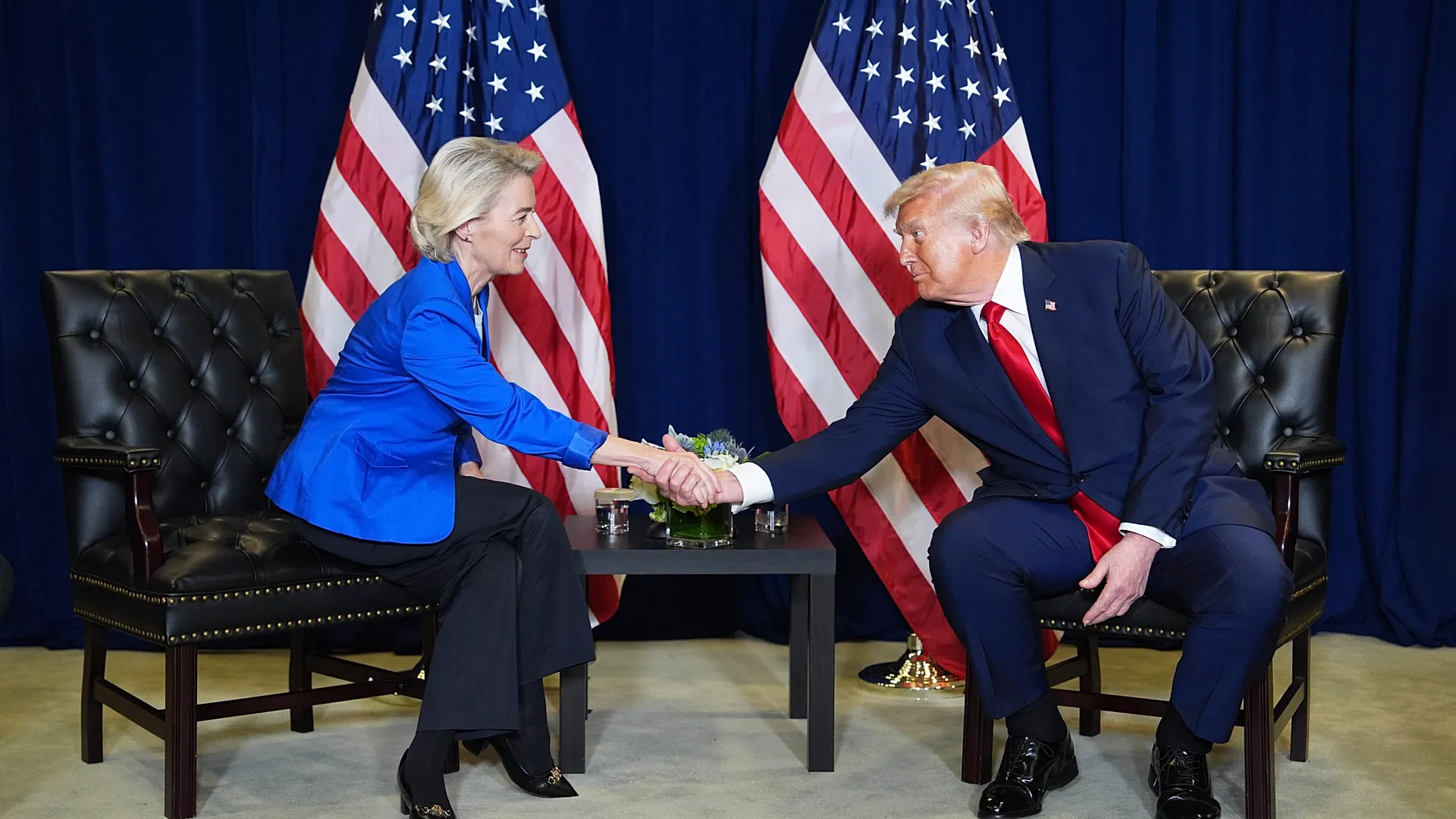
Trade is now the new geopolitical battlefield.
Paris, May 2026. Top trade officials from the European Union and the United States are meeting amid escalating tariff tensions triggered by Washington’s threat to impose a 25% duty on European automobiles. The meeting between EU Trade Commissioner Maroš Šefčovič and U.S. Trade Representative Jamieson Greer comes at a critical moment, as both sides attempt to prevent a renewed transatlantic trade conflict.
The dispute centers on the fragile Turnberry agreement signed in 2025, which capped U.S. tariffs on EU goods at 15% while committing both sides to gradual liberalization. Washington now argues that Europe has failed to fully implement the deal, while Brussels insists it remains compliant and committed. This divergence has transformed what was once a negotiated framework into a contested instrument of pressure.
European officials are publicly projecting calm, but internally preparing for escalation scenarios. The European Commission has made clear that all options remain open if U.S. measures are deemed inconsistent with the agreement, including retaliatory tools and anti-coercion mechanisms designed to counter economic pressure.
The timing of the meeting is not accidental. It coincides with broader geopolitical friction, including disagreements over Iran policy and the partial withdrawal of U.S. troops from Germany, both of which have strained transatlantic trust. Trade is no longer isolated from security; it is becoming an extension of it.
For global markets, the implications go beyond tariffs on cars. A breakdown in EU–US trade relations would affect supply chains, industrial production and investor confidence across both continents, given that together they account for a dominant share of global trade and economic output.
What is unfolding is not simply a tariff dispute, but a structural test of the Western economic alliance. If negotiations fail, the transatlantic relationship risks shifting from strategic coordination to managed confrontation, with long-term consequences for global economic governance.
La narrativa también es poder. / Narrative is power too.