

 Phoenix 24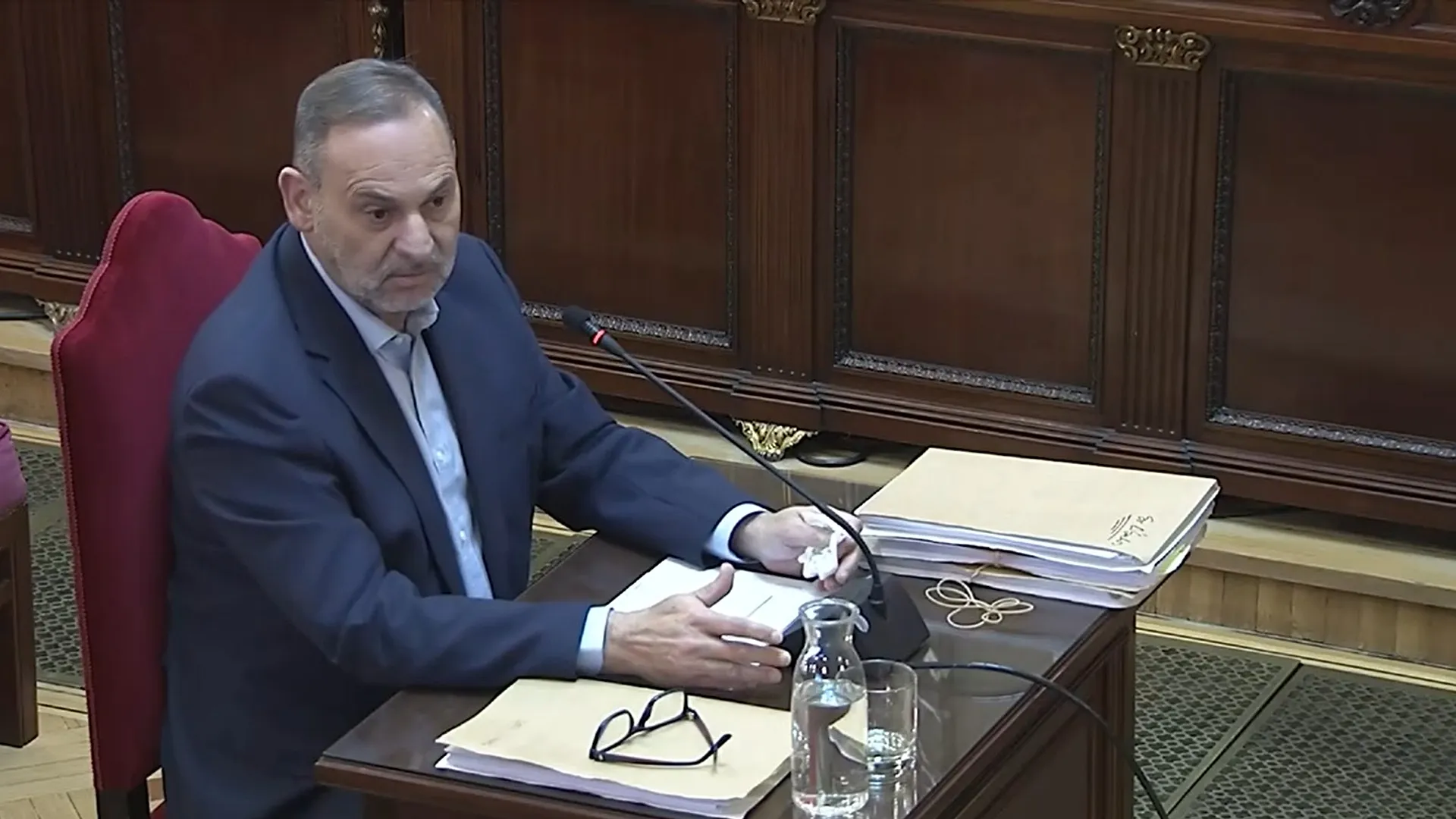
Spain’s corruption case enters its most volatile phase.
Madrid, May 2026. Former Spanish transport minister José Luis Ábalos denied before the Supreme Court that he received money from businessman Víctor de Aldama, rejecting one of the central allegations surrounding the Koldo case. During his testimony, Ábalos sought to distance himself from the procurement decisions under investigation, arguing that he did not sign contracts, participate in contracting bodies or personally handle any offers. His defense line placed operational responsibility elsewhere inside the ministry structure, while framing the accusations against him as unsupported by evidence.
The case revolves around alleged irregularities in pandemic-era mask contracts linked to Soluciones de Gestión, a company connected to the wider corruption network under judicial scrutiny. Ábalos also challenged Aldama’s role, suggesting that the businessman may have influenced or coordinated versions of events involving Jéssica Rodríguez, the former minister’s ex-partner, who was also drawn into the proceedings over public-sector payments she allegedly received without performing corresponding duties. By doing so, Ábalos shifted the courtroom narrative from passive denial to direct confrontation with the figure presented as a key intermediary in the alleged scheme.
The former PSOE official also refused to answer questions from Aldama’s defense and criticized the popular accusation brought by the Partido Popular, claiming that the case was being used as an opposition instrument rather than a search for truth. That argument inserts the trial into Spain’s broader institutional battlefield, where corruption investigations often operate simultaneously as judicial processes, partisan weapons and credibility tests for public administration. The stakes are substantial: prosecutors are seeking lengthy prison terms for Ábalos and other defendants, while the final phase of the trial now moves toward documentary evidence, closing arguments and eventual sentencing.
Beyond the courtroom, the Ábalos testimony exposes the fragile intersection between emergency procurement, political loyalty and institutional accountability. The pandemic created exceptional administrative pressures, but those pressures now serve as the terrain where prosecutors, defendants and parties dispute responsibility for decisions made under crisis conditions. Whether the court ultimately validates the accusations or rejects them, the case has already become a stress test for Spain’s ability to separate judicial fact from political noise.
Más allá de la noticia, el patrón. / Beyond the news, the pattern.