

 Phoenix 24
Water intake depends on context, not slogans.
Mexico City, May 2026. The daily question of how much water a person should drink has no universal answer, because hydration depends on age, diet, climate, physical activity, health status and medication use. The common advice of drinking eight glasses a day can be useful as a reference, but experts increasingly emphasize that the body’s needs change throughout the day and across different environments.
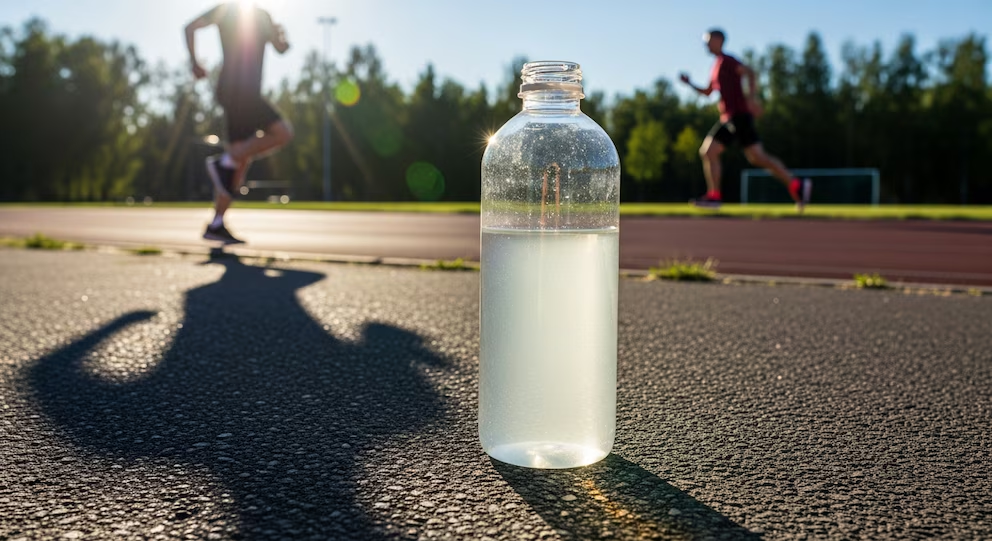
A practical approach begins with observation. Thirst, urine color, fatigue, headache, dry mouth and dizziness can indicate hydration status, although thirst alone may not be enough for older adults, athletes or people exposed to high heat. Foods also matter: fruits, vegetables, soups and other water-rich meals contribute to total fluid intake.
The risk is not only drinking too little. Overhydration can also be dangerous when excessive water intake dilutes blood sodium levels, especially during endurance sports or extreme routines. That is why balanced hydration should include not just water, but also electrolytes when there is heavy sweating, prolonged exercise or intense heat exposure.
The public health lesson is simple but often ignored: hydration is a dynamic habit, not a fixed number. Drinking regularly, adjusting intake to activity and climate, and paying attention to body signals is more reliable than following a rigid formula. The goal is not to force water into the body, but to maintain physiological balance.
Detrás de cada dato, la intención. / Behind every data point, the intention.