

 Phoenix 24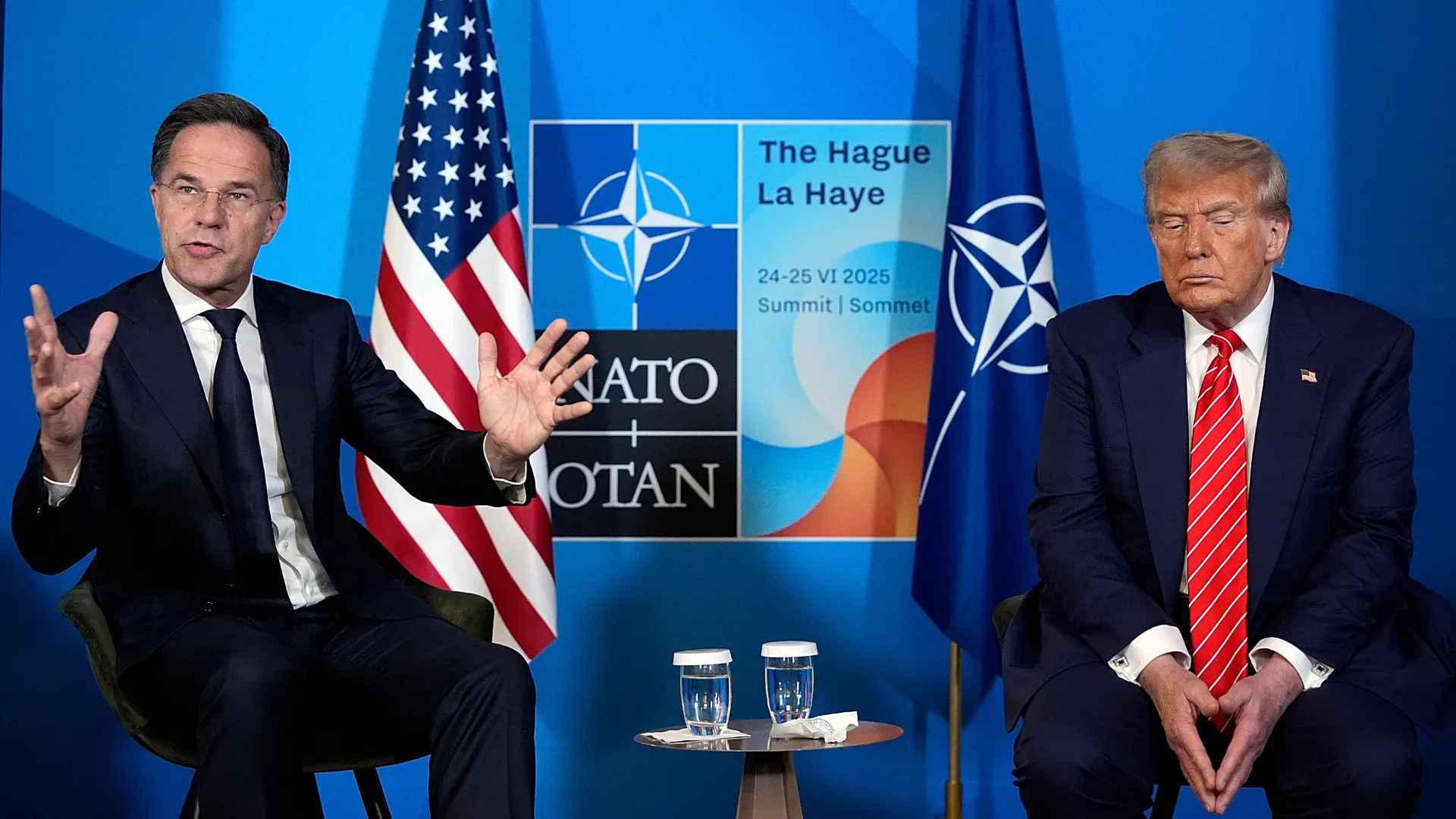
A troop cut becomes a transatlantic warning signal.
Berlin, May 2026. The planned withdrawal of 5,000 U.S. troops from Germany has exposed a new fracture inside NATO, not because of the number alone, but because of the apparent absence of strategic coordination behind the move. Senior alliance officials were reportedly not warned before Washington announced the reduction, leaving European planners to interpret whether this is a limited force adjustment, a political warning or the first stage of a wider American retreat from Europe. In alliance politics, uncertainty can be as destabilizing as withdrawal itself.
The decision comes amid open tensions between President Donald Trump and German Chancellor Friedrich Merz over the U.S.-Israeli war in Iran and Washington’s broader military strategy. Merz’s criticism of the American approach appears to have intensified the dispute, turning Germany’s role inside NATO into a pressure point. That context matters because troop posture is no longer being read only as military planning, but as an instrument of political punishment.
Germany remains one of the most important logistical anchors for U.S. power in Europe. American facilities on German soil support command coordination, air mobility, medical evacuation, Ukraine-related logistics and broader deterrence across the continent. A cut of 5,000 troops may not collapse NATO’s defense architecture, but if executed without clarity, it can weaken confidence in the predictability of U.S. commitments.
The larger risk is not numerical; it is procedural. NATO operates on coordination, signaling and shared planning. When a major deployment decision appears abrupt, allies are forced to plan around American volatility rather than American leadership. That shift changes the psychology of deterrence, especially at a time when Russia continues to test European resilience through war, drones, energy pressure and strategic ambiguity.
European governments will now face renewed pressure to accelerate defense autonomy, but this autonomy is not created overnight. Germany has expanded its defense posture, yet its security model still relies heavily on U.S. infrastructure and nuclear guarantees. The troop withdrawal therefore reinforces a hard lesson for Europe: dependence becomes vulnerability when the guarantor starts using protection as leverage.
For Washington, the move may be presented as force modernization or burden-sharing discipline. For Europe, it reads as another warning that the postwar security bargain is being renegotiated under pressure. The danger is that deterrence becomes less about capability and more about political mood, making adversaries more willing to probe the alliance’s seams.
This is why the German troop cut matters beyond Germany. It signals a possible transition from structured alliance management to transactional security politics. If NATO cannot distinguish between strategic redeployment and presidential retaliation, its internal cohesion becomes harder to defend than its external borders.
Información que anticipa futuros. / Information that anticipates futures.