

 Phoenix 24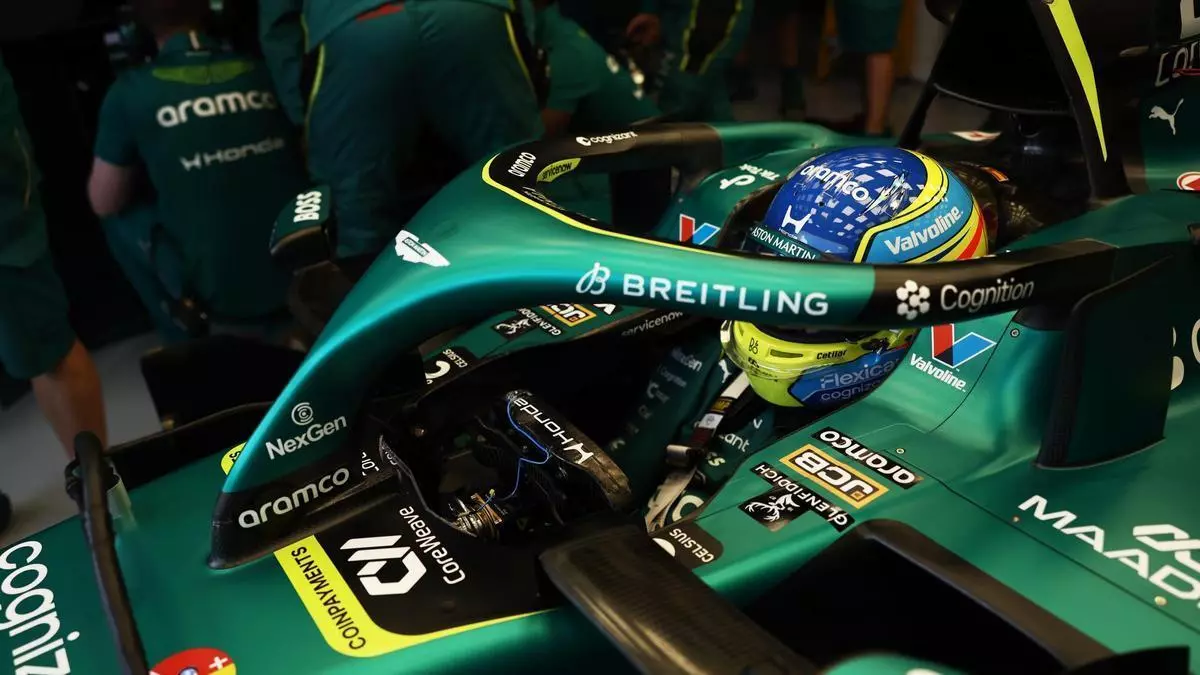
A sprint became a stress test.
Miami, May 2026
Fernando Alonso’s Miami sprint turned into another warning signal for Aston Martin after the Spanish driver reported critical temperature concerns over the radio while the team continued to manage the fragile balance of its Honda-powered car. The message mattered because it did not describe a tactical inconvenience, but a structural anxiety inside a project still searching for reliability, rhythm and competitive direction.
Alonso finished far from the points while Aston Martin again looked trapped between technical caution and sporting irrelevance. Lando Norris led a McLaren one-two in the sprint, with Oscar Piastri second and Charles Leclerc third, confirming that rival teams have moved forward while Aston Martin remains stuck in damage-control mode. For Alonso, the problem is no longer only pace, but the growing perception that each session becomes a diagnostic exercise rather than a race.
The concern followed a poor sprint qualifying in which Alonso and Lance Stroll were left at the back, with Aston Martin exposed by both lack of speed and operational fragility. Reports from Miami pointed to improved vibration management after work linked to Honda, but that progress has not translated into performance. Alonso’s radio warning about temperature only deepened the sense that the team is still protecting the car instead of attacking the field.
The contrast with McLaren was brutal. While Norris and Piastri turned Miami into evidence of momentum, Aston Martin used the sprint as a survival map. In Formula 1, that difference is not cosmetic: it determines whether a team dictates strategy or simply reacts to its own limitations.
Alonso has built much of his late-career authority on patience, technical reading and emotional containment. But even patience loses narrative value when the car keeps reducing ambition to endurance. Miami did not end Aston Martin’s season, yet it sharpened the central question around its project: how long can a driver of Alonso’s stature keep lending credibility to a machine that still behaves like unfinished work?
The immediate problem is technical, but the deeper issue is reputational. Aston Martin sold its long-term project as a platform capable of giving Alonso another serious competitive window. The Miami sprint suggested something colder: the team may be improving isolated weaknesses while losing ground in the only measure that matters, competitive speed.
For Alonso, every radio message now carries more than race information. It becomes a public temperature check on Aston Martin’s credibility. In Miami, that temperature sounded critical.
Más allá de la noticia, el patrón. / Beyond the news, the pattern.