

 Phoenix 24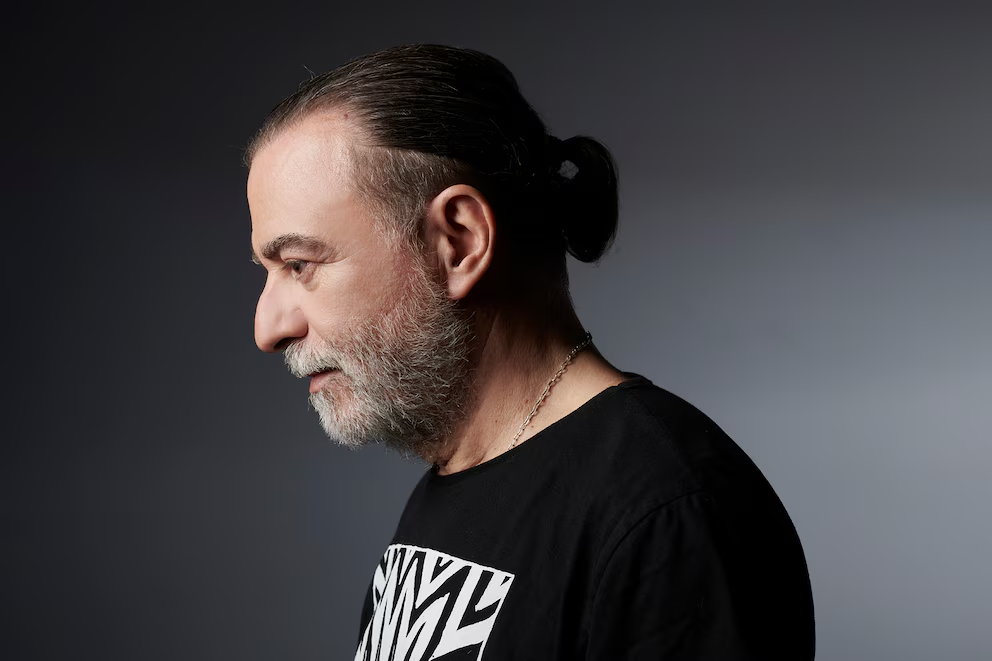
Maturity begins when love outlives argument.
Buenos Aires, May 2026. Reynaldo Sietecase returns to the intimate territory of family memory with Cabrón, a book in which the Argentine journalist, poet and narrator reconstructs the figure of his father through affection, conflict and late understanding. The work moves through the difficult terrain where biography stops being inventory and becomes emotional archaeology.
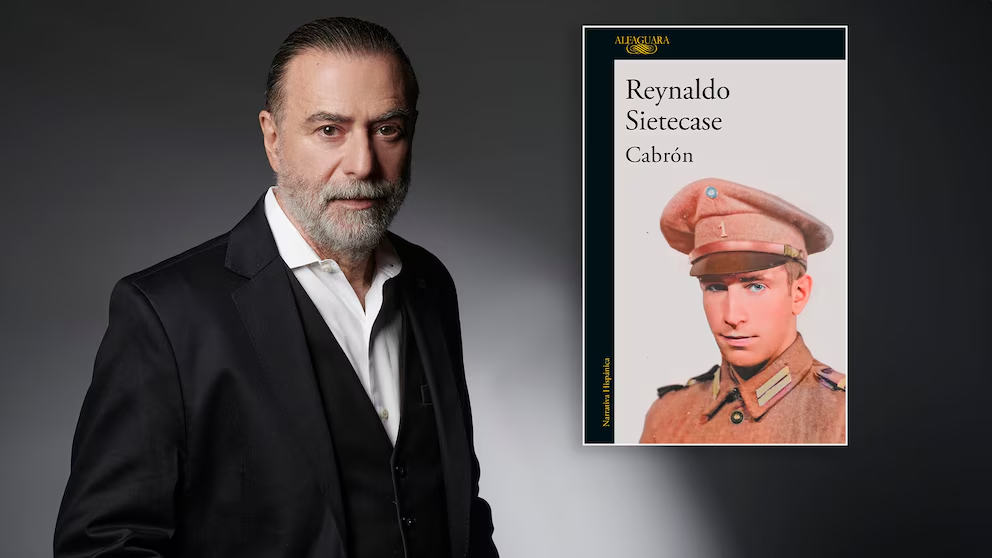
The central idea is powerful because it rejects the fantasy of correcting the past. Sietecase suggests that maturity arrives when one stops trying to change a father and begins to understand him within his contradictions. That shift does not erase wounds, but it changes the hierarchy between resentment, memory and love.
Cabrón appears less as a conventional portrait than as a negotiation with inheritance. The father emerges not only as a private figure, but as a force that shaped language, temperament, masculinity and artistic sensitivity. In that sense, the book uses the personal to explore a wider human question: how much of what we become is built from what we once resisted?
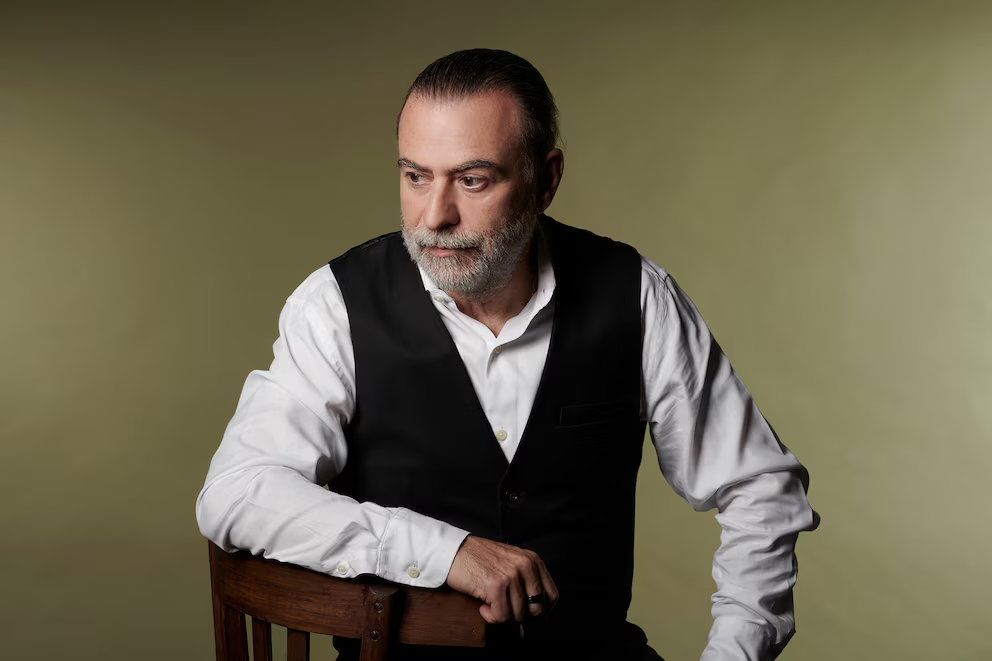
The conversation around the book also reflects Sietecase’s hybrid identity as journalist and writer. His public voice has long moved between political observation, poetry and narrative fiction, but here the register turns inward. The result is not confession for spectacle, but a literary attempt to give form to ambivalence.
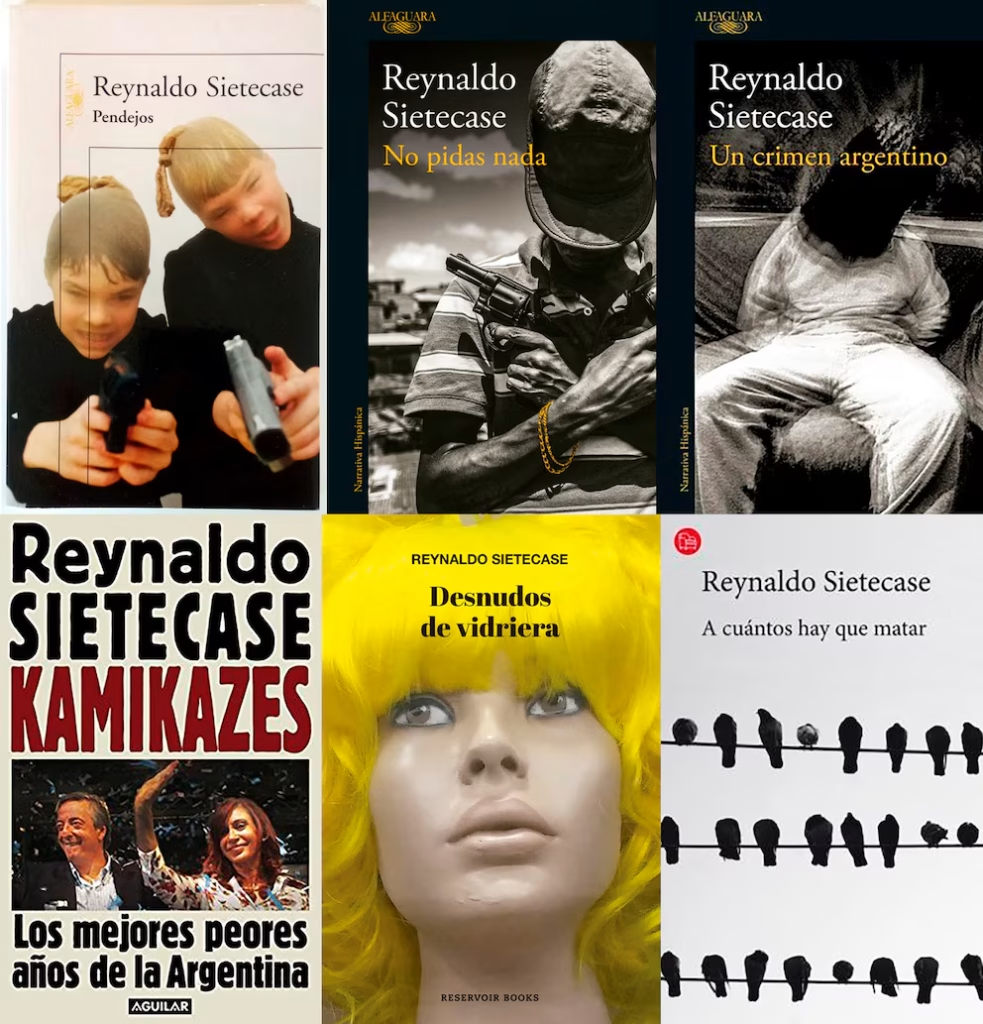
The emotional force of the project lies in its restraint. It does not idealize the father, nor does it reduce him to conflict. It allows love to appear without simplifying the past, which may be the hardest form of reconciliation.
Cada silencio habla. / Every silence speaks.