

 Phoenix 24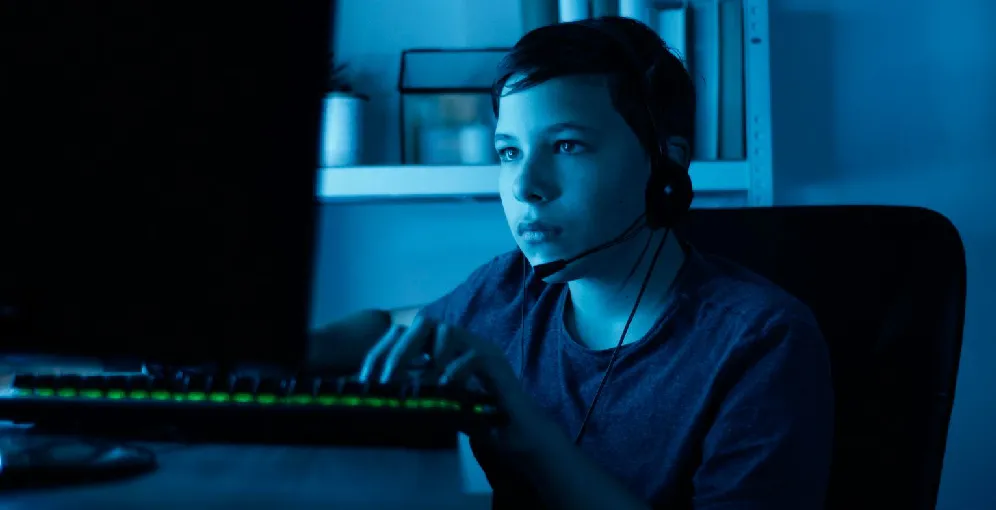
Play spaces now require digital vigilance.
Buenos Aires, May 2026. Online games have become one of the most common social environments for children, but also one of the least visible spaces for harassment, grooming and emotional abuse. The risk does not always appear as an obvious threat; it often begins through insults, exclusion, manipulation, private messages or pressure inside multiplayer communities.

The warning signs can be subtle. A child may suddenly avoid a favorite game, become anxious after playing, hide conversations, change mood after online sessions or receive messages from unknown users. These behaviors do not automatically confirm abuse, but they should trigger calm attention from parents, teachers and caregivers.
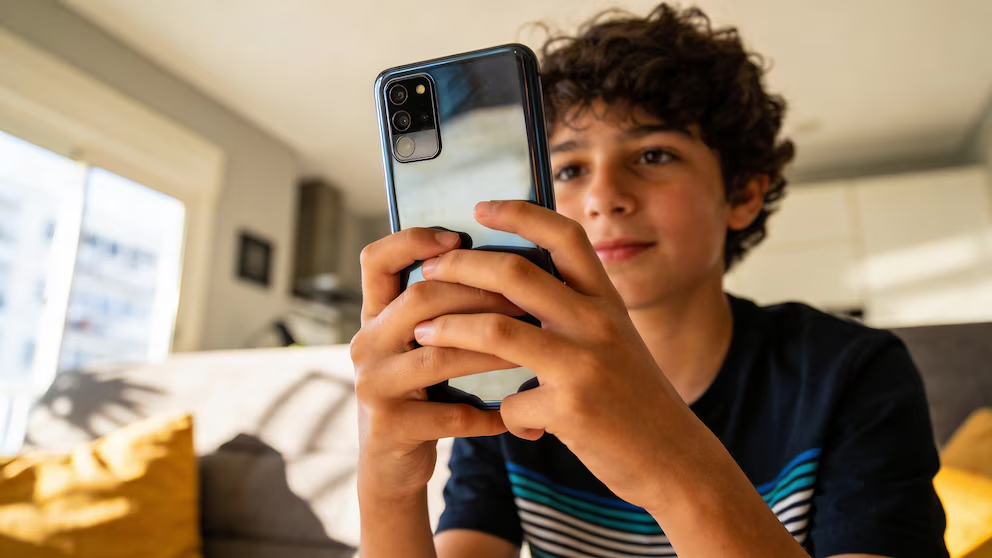
The first defense is not surveillance alone, but trust. Children need to know they can report uncomfortable interactions without losing access to the game as punishment. If fear of punishment dominates, they are more likely to hide what is happening and remain exposed to the aggressor.
Practical prevention requires activating privacy controls, limiting direct messages, reviewing friend lists, disabling voice chat when necessary and using reporting tools inside the platform. Parents should also know the basic mechanics of the games their children use, because harassment often depends on features adults do not understand.
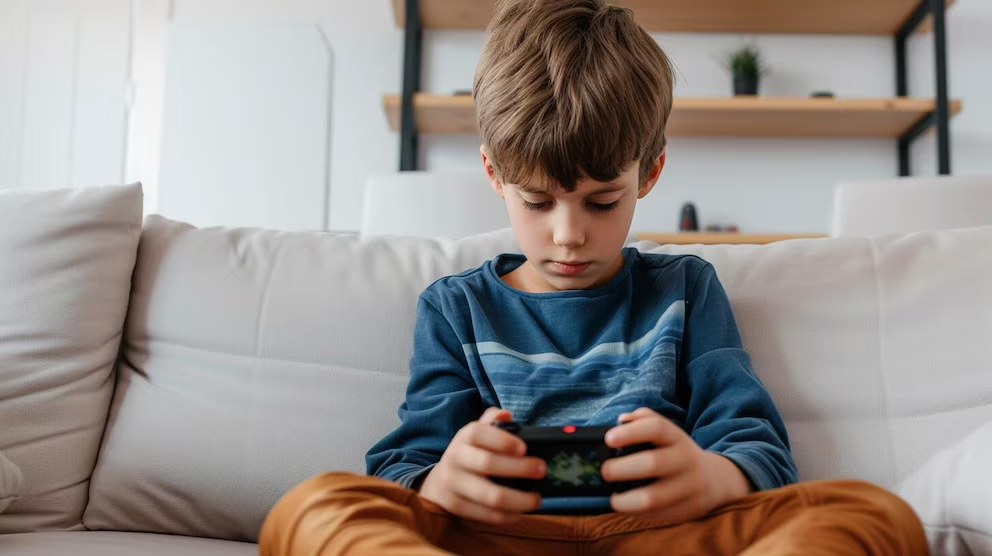
The deeper issue is cultural. Online gaming is no longer just entertainment; it is a social infrastructure where children build identity, friendships and belonging. Protecting them requires technical controls, emotional communication and digital literacy at the same time.

The goal is not to demonize gaming, but to make it safer. A child who plays online should not have to navigate adult risks alone inside a space designed to look like play.
Phoenix24: periodismo sin fronteras. / Phoenix24: journalism without borders.