

 Phoenix 24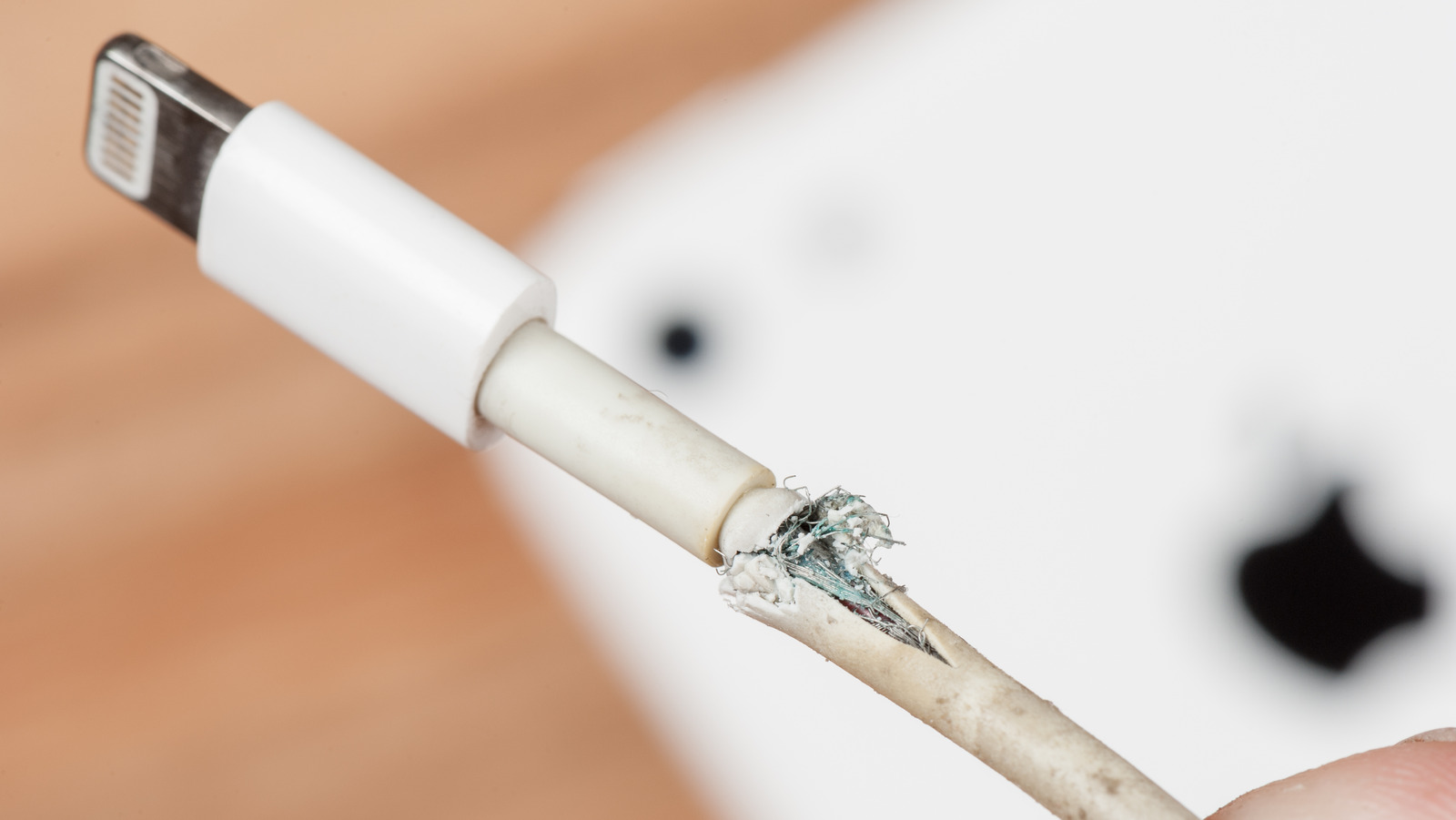
Everyday design hides a predictable failure.
Buenos Aires, May 2026. Charging cables usually break near the connector because that point absorbs the highest mechanical stress during daily use. Every time the cable is bent, pulled, twisted or used while the device is connected, the junction between the rigid plug and the flexible wire becomes the weakest zone.
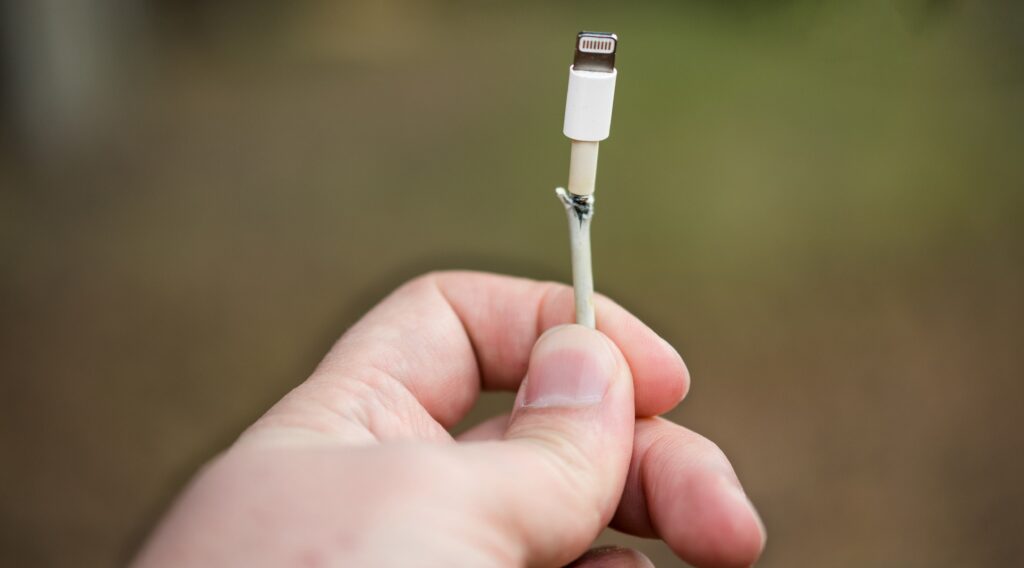
Experts identify this area as a strain concentration point. The connector is hard, the cable is flexible, and the transition between both materials creates repeated tension. Over time, the internal copper wires can weaken, the protective coating may crack and charging performance begins to fail before the damage becomes fully visible.
The problem is not only user behavior. Cable design, material quality and reinforcement also determine durability. Low-cost cables often use thinner insulation, weaker internal conductors and less effective strain relief, making them more vulnerable to bending fatigue. Even premium cables can fail if they are repeatedly folded sharply or pulled from the wire instead of the plug.
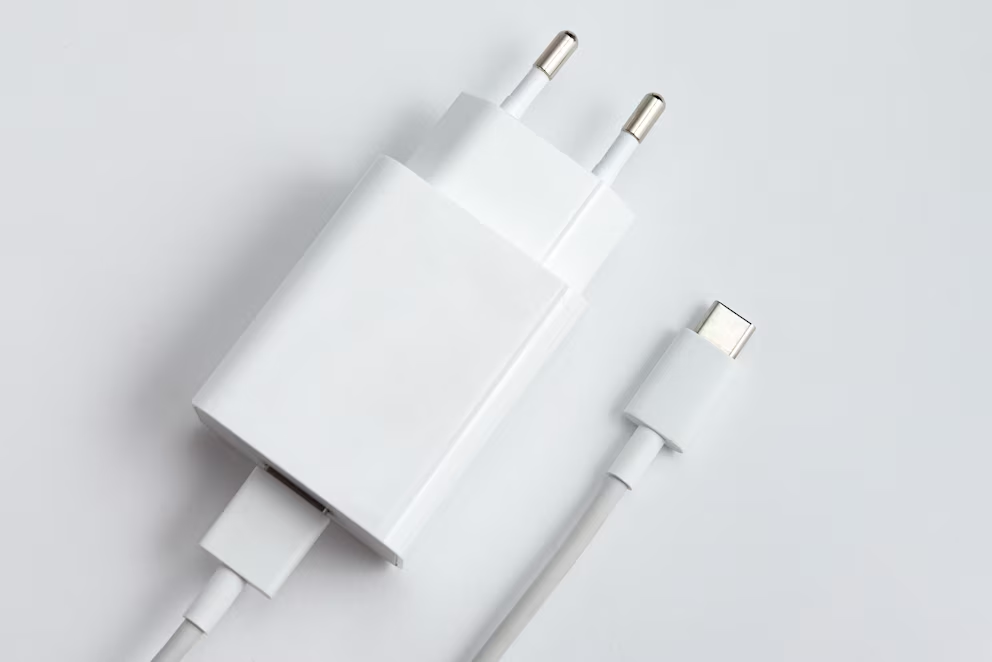
The solution is simple but often ignored. Users should disconnect cables by holding the connector, avoid wrapping them tightly, prevent sharp bends near the ends and use cable protectors or reinforced models when possible. Small habits can extend the life of a cable because the failure mechanism is cumulative, not sudden.
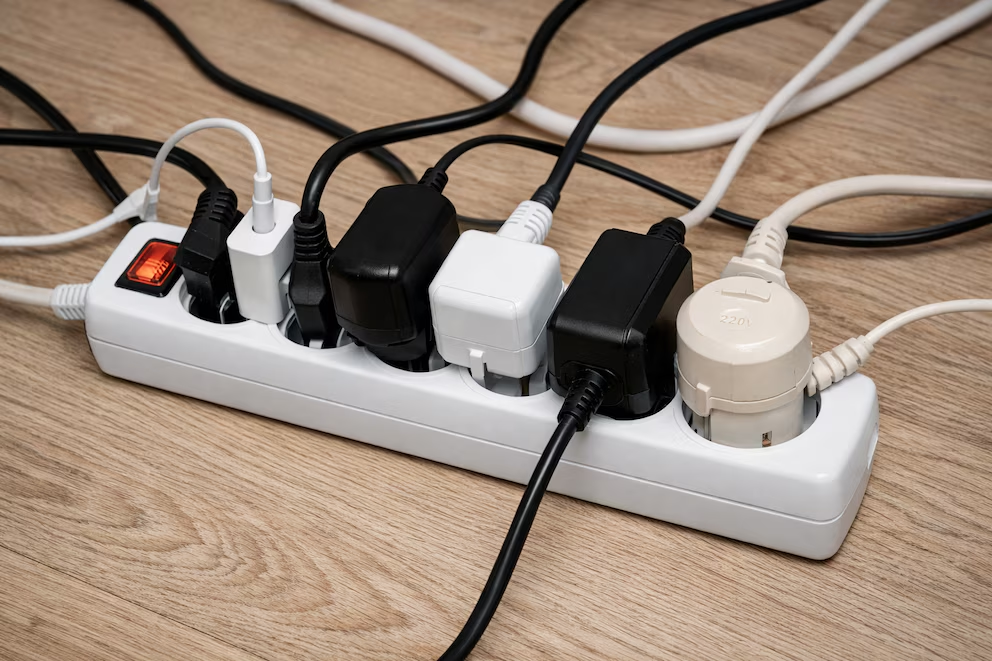
The case illustrates a broader truth about consumer technology. Many device failures do not begin with complex electronics, but with small physical stress points repeated thousands of times. In the end, the cable breaks where design, habit and material fatigue meet.
Hechos que no se doblan. / Facts that do not bend.