

 Phoenix 24
Clean electricity becomes national leverage.
Asunción, May 2026. Paraguay has positioned itself as one of the world’s most remarkable renewable electricity cases, generating practically all of its power from clean sources. The country’s electricity system depends overwhelmingly on hydropower, with major dams giving it an energy profile that many larger economies still cannot match.
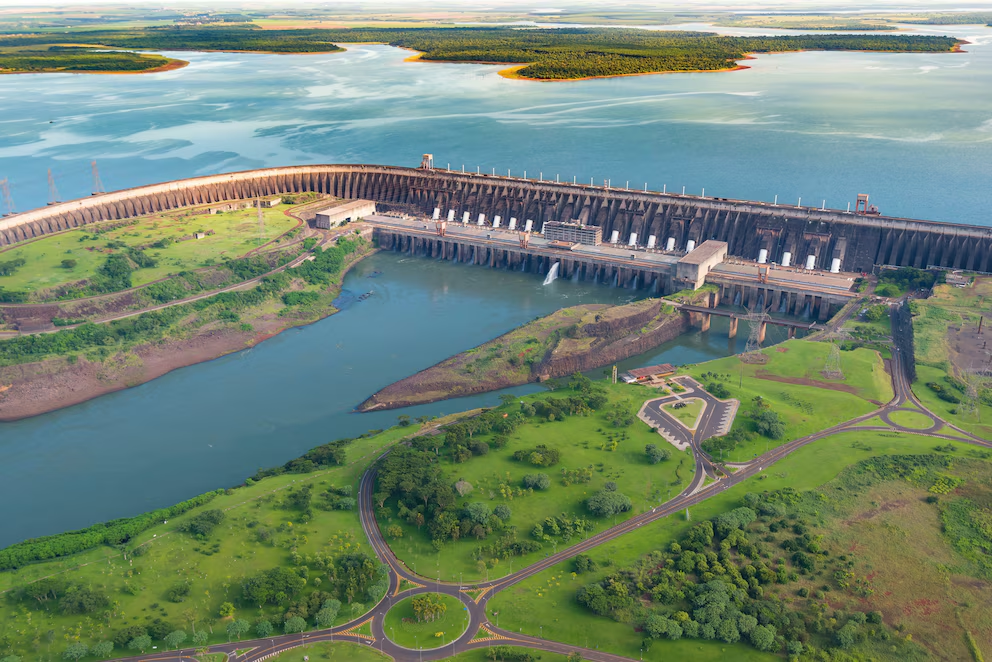
The central strength of Paraguay’s model is not only environmental. It is structural. Hydropower gives the country a level of electricity independence that reduces exposure to fossil fuel shocks, imported energy volatility and the geopolitical disruptions now reshaping global markets.
This advantage also makes Paraguay an energy exporter. Its generation capacity exceeds domestic demand, allowing the country to supply electricity to neighboring economies such as Brazil and Argentina. In a region where energy insecurity often becomes a political constraint, Paraguay holds an unusually powerful position.
Yet the model also carries vulnerabilities. Heavy dependence on hydropower means exposure to drought, river variability and climate stress. Clean energy does not automatically guarantee resilience if the system lacks diversification, storage capacity and long-term adaptation planning.
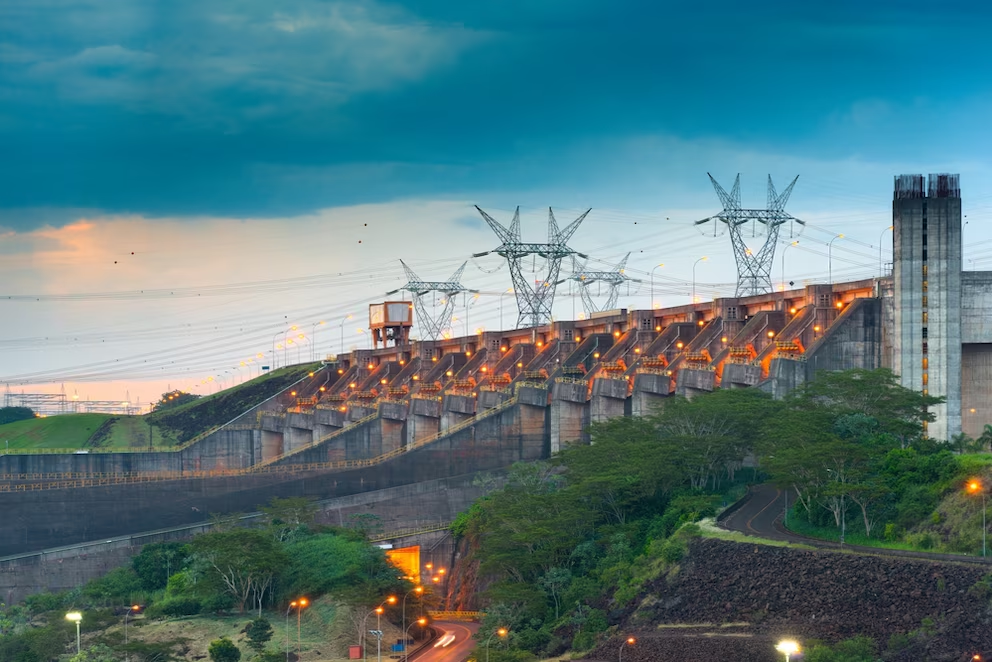
Paraguay’s case therefore offers both inspiration and warning. It proves that renewable electricity dominance is possible, but it also shows that the next stage of energy leadership will depend on managing climate risk, infrastructure governance and regional bargaining power.
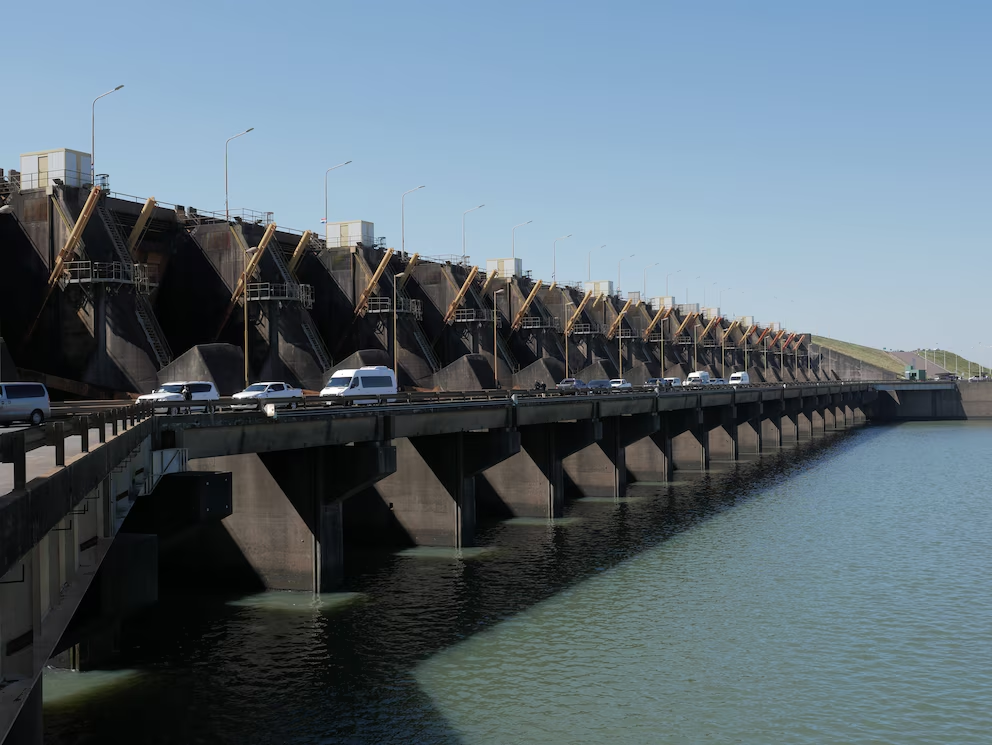
For Latin America, the lesson is clear. Energy transition is not only about replacing fossil fuels; it is about building strategic autonomy. Paraguay already has the clean electricity base. Its challenge now is to turn that advantage into industrial development, technological modernization and durable national power.
Phoenix24: inteligencia para audiencias libres. / Phoenix24: intelligence for free audiences.