

 Phoenix 24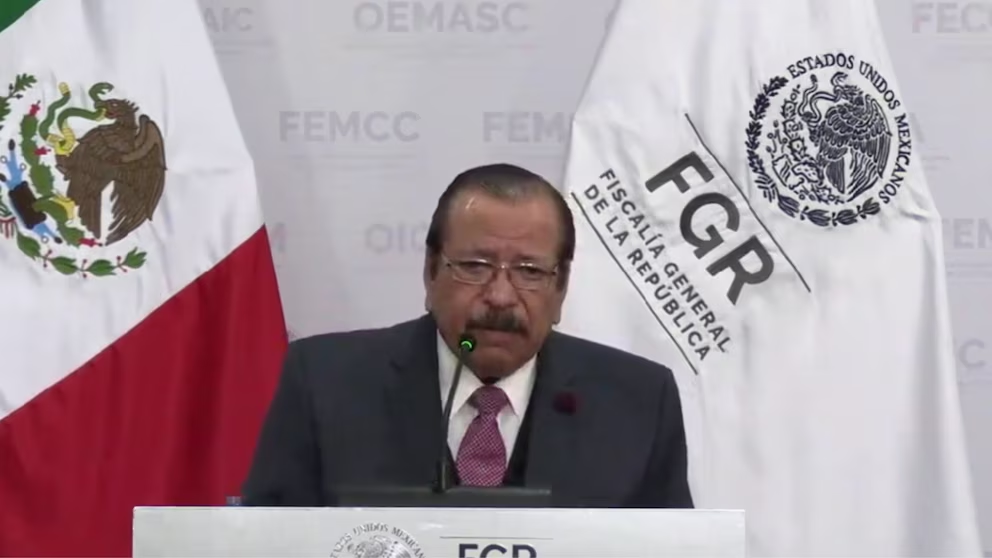
Legal thresholds collide with geopolitical pressure.
Mexico City, May 2026. Mexico’s Attorney General’s Office halted the provisional detention of Sinaloa officials requested by U.S. authorities, arguing that the case lacked the minimum evidentiary basis required under Mexican law. The decision interrupts a fast-moving cross-border controversy involving alleged links between public officials and organized crime.
According to the Mexican federal position, the U.S. request did not amount to a formal extradition process, but to a precautionary measure seeking immediate detention. The review reportedly found insufficient supporting evidence, weak legal justification and no clear urgency criteria. Without those elements, Mexican authorities concluded that arrests would violate due process standards.
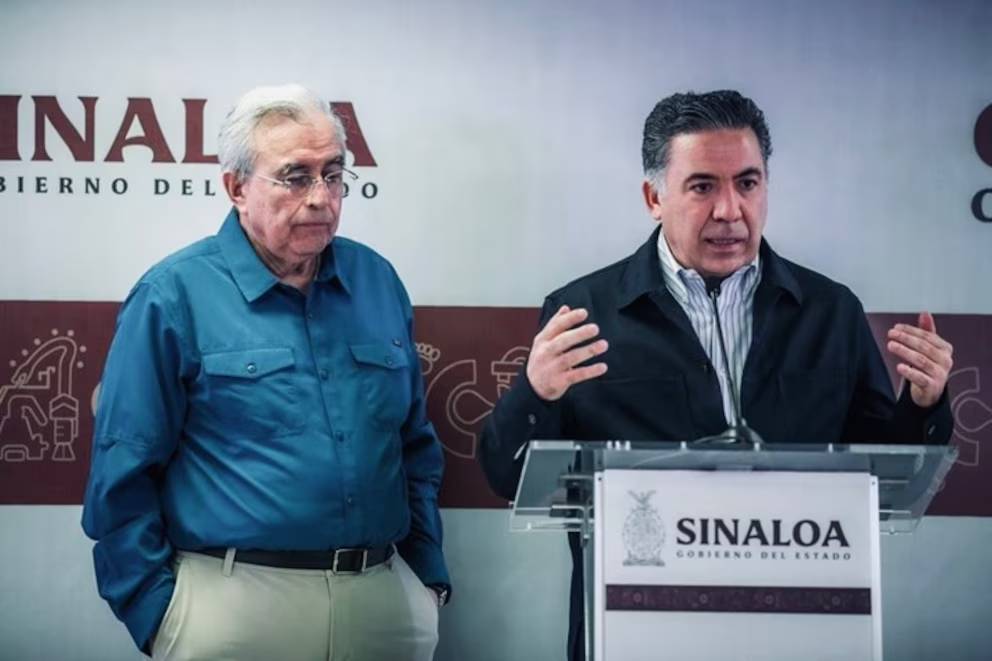
The case involves sitting and former officials from Sinaloa, including Governor Rubén Rocha Moya. U.S. prosecutors have allegedly tied them to protection networks around factions of the Sinaloa Cartel, particularly groups linked to Los Chapitos. The gravity of the accusation is high, but Mexico’s response places the evidentiary threshold at the center of the dispute.
Mexico’s position reframes the case as both a legal and sovereignty issue. Authorities are signaling that extradition mechanisms require formal requests, judicial review and verifiable evidence, not unilateral pressure or incomplete submissions. That distinction matters because any arrest without a solid procedural foundation could become politically explosive and legally vulnerable.
Beyond the technical debate, the decision exposes a deeper fracture in U.S.–Mexico security cooperation. Washington’s accusations seek to raise pressure on political structures allegedly penetrated by organized crime, while Mexico insists that external claims must survive domestic legal standards before becoming enforcement actions.
The episode is not just about one file. It marks a structural confrontation between two logics: prosecutorial urgency and geopolitical messaging on one side, constitutional procedure and sovereignty doctrine on the other. Its outcome could shape not only the future of the officials involved, but the architecture of bilateral security cooperation itself.
Lo visible y lo oculto, en contexto. / The visible and the hidden, in context.