

 Phoenix 24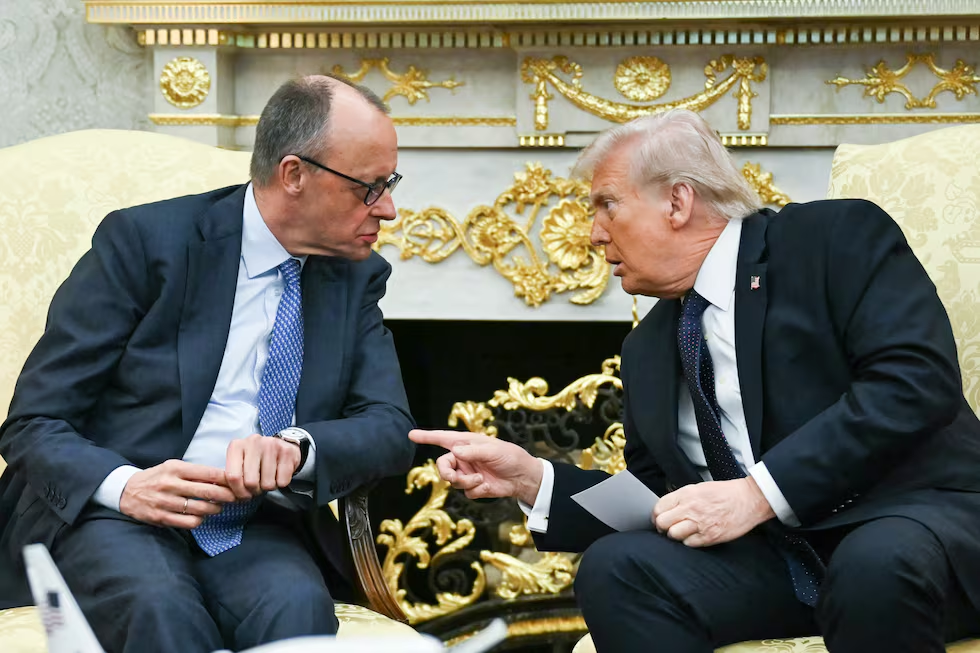
Alliances fracture when wars redefine priorities.
Washington, April 2026. Donald Trump publicly escalated tensions with Germany by telling Chancellor Friedrich Merz to focus on his own country and stop interfering in the war with Iran, exposing a widening fracture inside the Western alliance at a moment of active military conflict.
The statement followed criticism from Berlin suggesting that Washington lacked a coherent strategy toward Tehran. Trump responded by questioning Germany’s credibility, pointing to its domestic challenges and accusing its leadership of weakening the united front against Iran’s nuclear threat.
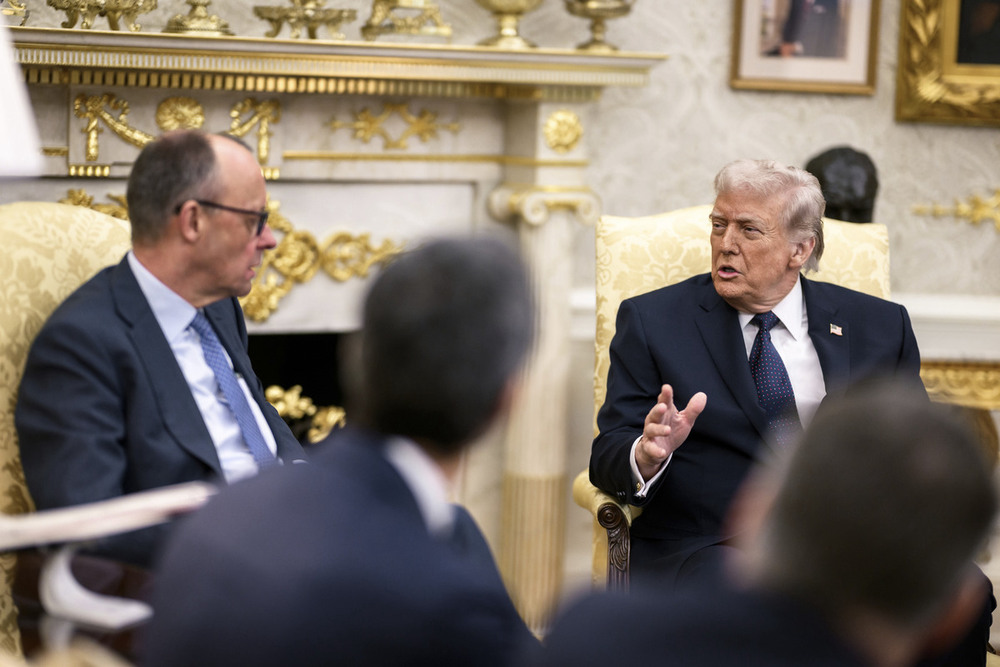
March 4, 2026, Washington, Dc, United States of America: U.S. President Donald Trump, speaks with German Chancellor Friedrich Merz, left, during a bilateral meeting at the Oval Office of the White House, March 3, 2026 in Washington, D.C.
Europa Press/Contacto/Daniel Torok/White House
04/03/2026 ONLY FOR USE IN SPAIN
This is not a rhetorical dispute in isolation. It unfolds amid a wider conflict that has disrupted energy markets, strained diplomatic channels and forced U.S. allies into increasingly uncomfortable strategic positions. Germany’s reaction reflects a broader European unease over escalation risks and the absence of a clear political exit.
The deeper signal is structural. The Iran war is not only reshaping Middle Eastern dynamics; it is testing the cohesion of transatlantic alliances built on decades of shared security assumptions. When priorities diverge under pressure, even long-standing partnerships reveal their conditional nature.
What emerges is a recalibration of power expectations. The United States is asserting unilateral strategic authority, while Europe is navigating between alignment, autonomy and exposure. The clash between Trump and Merz is therefore less about personality and more about the limits of alliance discipline in an era of asymmetric conflict.
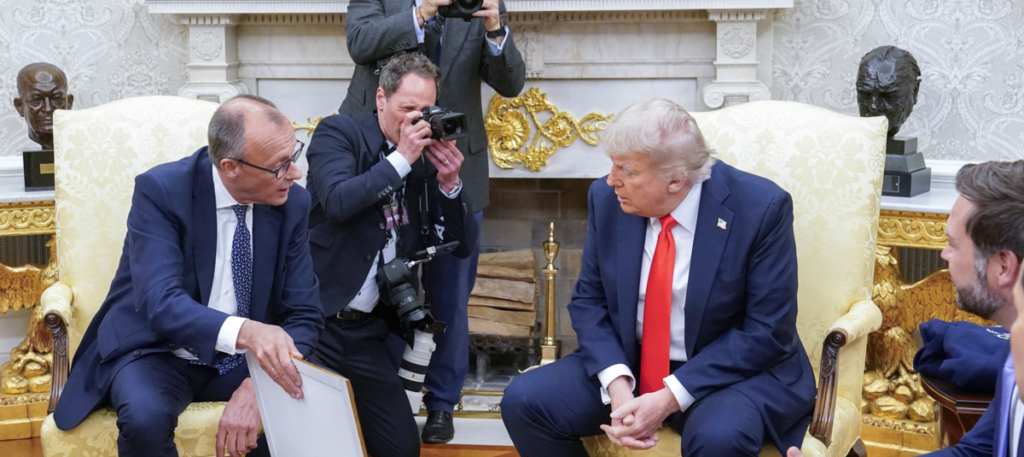
In this environment, diplomatic language becomes sharper because the stakes are no longer abstract. War compresses timelines, reduces tolerance for dissent and transforms disagreement into strategic friction. The result is a visible erosion of consensus within the bloc that once defined Western coherence.
Lo visible y lo oculto, en contexto. / The visible and the hidden, in context.