

 Phoenix 24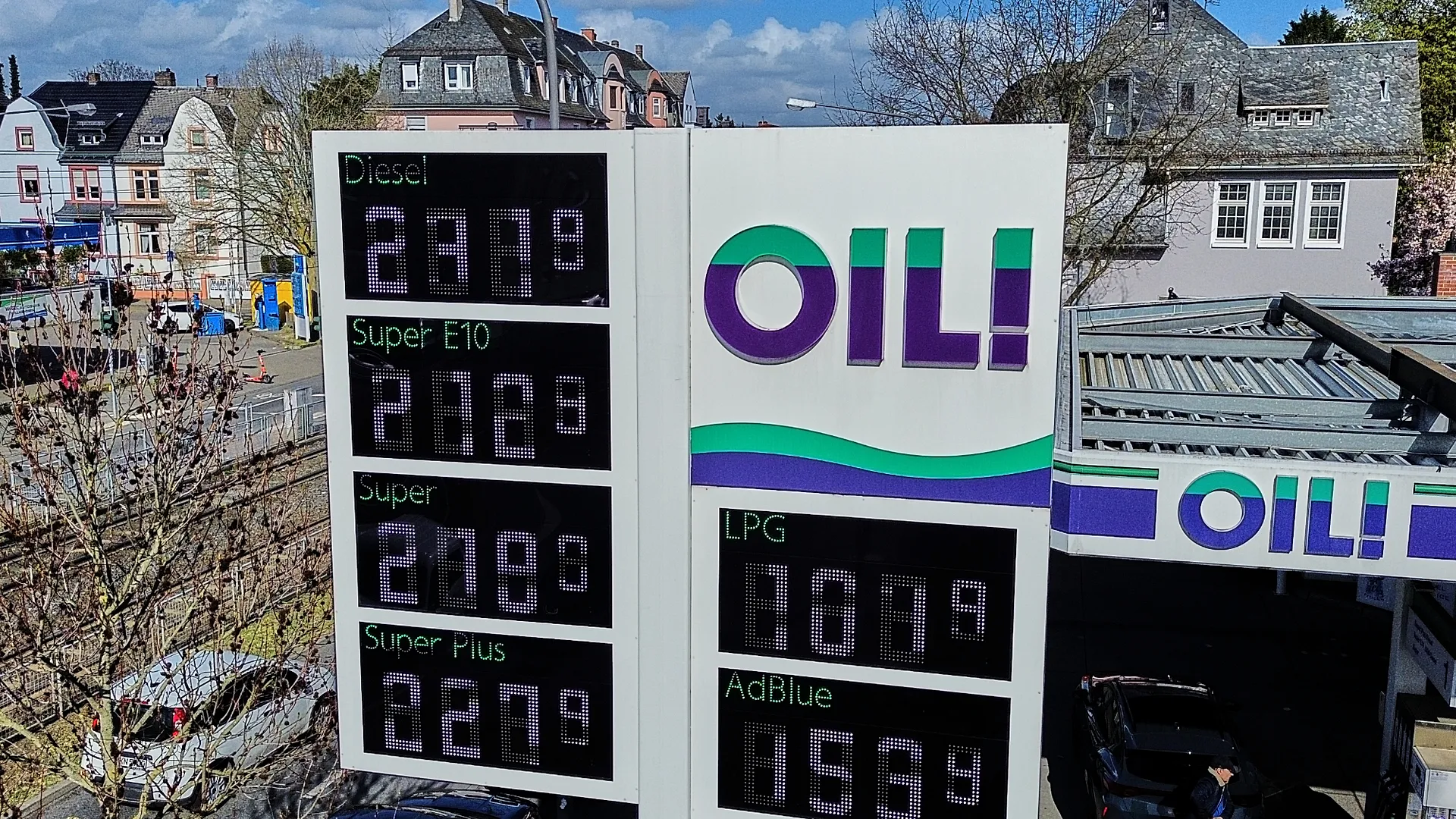
Prices expose the limits of monetary calm
Frankfurt, April 2026. Energy prices are again disturbing Europe’s inflation picture, with Germany and Spain reporting renewed price pressure just before the European Central Bank’s next decision. Germany’s EU-harmonized inflation rose in April, while Spain’s annual rate accelerated to one of its highest levels since mid-2024. The message for policymakers is uncomfortable: inflation may have cooled from its previous peak, but Europe remains structurally exposed to external energy shocks.
The immediate driver is the rise in energy costs linked to geopolitical disruption in the Middle East and renewed uncertainty around global oil and gas routes. Germany’s energy prices climbed sharply year over year, reversing part of the disinflationary relief that had supported confidence in recent months. Spain also registered stronger monthly pressure, confirming that the shock is not isolated to one national economy.
This creates a difficult dilemma for the ECB. If it tightens too aggressively, it risks weakening growth at a moment when households and firms are already under pressure. If it waits too long, energy inflation may spread into wages, services and industrial prices, turning an external shock into a broader domestic problem.
Germany is especially exposed because its industrial model remains sensitive to energy volatility. Even when core inflation eases, expensive energy can still damage competitiveness, manufacturing margins and consumer expectations. That is why the German number matters beyond the headline: it tests whether Europe’s largest economy can absorb another cost shock without losing momentum.
Spain’s inflation is politically sensitive for a different reason. Higher energy prices hit households, transport, tourism and small businesses quickly, especially when purchasing power remains fragile. A country that had benefited from stronger post-pandemic recovery now faces a familiar European vulnerability: external energy stress becoming domestic social pressure.
The broader risk is psychological as much as statistical. Once companies and consumers begin to expect persistent price volatility, inflation becomes harder to contain. Central banks can manage interest rates, but they cannot directly secure maritime routes, lower oil prices or neutralize geopolitical conflict.
Europe is therefore confronting the same lesson again: monetary policy cannot substitute for energy resilience. Without diversified supply, stronger grids, strategic reserves and faster clean-energy deployment, each external shock will continue to reopen the inflation file. The ECB may decide the rate path, but energy insecurity is setting the terms of the debate.
The current inflation data does not yet prove that Europe is entering a new inflation spiral. It does show, however, that the continent’s economic stability remains vulnerable to the geography of fuel, conflict and supply chains. In that sense, April’s numbers are not just a warning for central bankers; they are a reminder that Europe’s price stability now depends on geopolitical stability far beyond its borders.
Detrás de cada dato, la intención. / Behind every data point, the intention.