

 Phoenix 24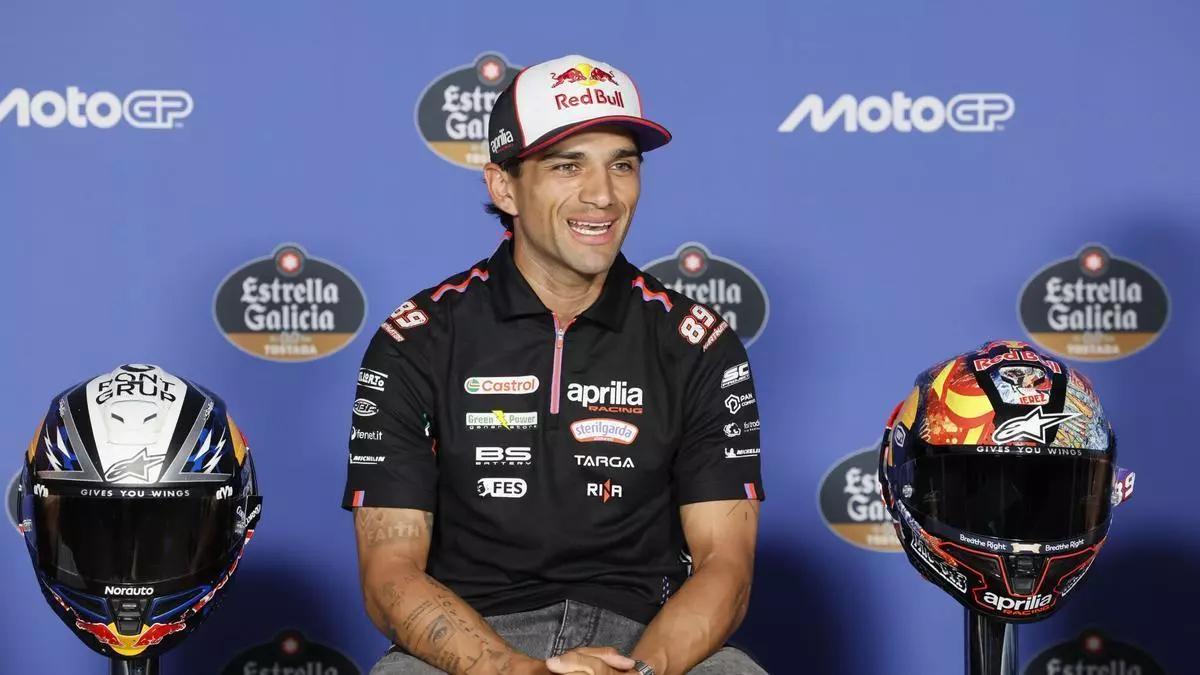
Memory also races before the lights.
Jerez, April 2026. Jorge Martín arrives at the Spanish Grand Prix carrying more than championship pressure. He has described this weekend as a return to the place where his professional imagination first began to take shape, recalling that he first came to Jerez in 2009 as a child, long before he became one of MotoGP’s defining names. That memory gives the circuit a meaning beyond sport, turning it into a site of origin, ambition, and symbolic return. In elite competition, such details are never merely sentimental. They reshape the emotional weight of performance when the rider comes back not as a spectator of possibility, but as one of the central figures on the grid.
The timing makes that return even more significant. Martín reaches Jerez with real competitive relevance, not simply with public affection or national expectation. He is no longer the young talent trying to force entry into the championship conversation, but a rider expected to sustain pressure, produce consistency, and convert speed into strategic authority. That changes the atmosphere around him. A home race under those conditions becomes less a celebration of identity and more an exam of control.
What makes the moment sharper is the machinery beneath him and the broader campaign surrounding it. Martín now carries the burden of proving that his project can remain credible through the demanding European phase of the season, where technical gaps and development rhythms become harder to conceal. Jerez therefore functions as more than another stop on the calendar. It becomes a reference point for whether momentum can be stabilized and whether emotional familiarity can be transformed into operational advantage. In modern MotoGP, memory may inspire a rider, but it is only valuable if it can be translated into measurable pace.
There is also a national dimension that gives the weekend unusual symbolic density. A Spanish rider returning to one of Spain’s most iconic circuits while positioned near the front of the competitive conversation naturally activates the mythology of homecoming. Yet Martín’s case resists easy romanticism. He is no longer being watched simply as promise or spectacle, but as responsibility in motion, a rider whose performance now carries consequences for the structure around him as much as for his own personal narrative. That shift from expectation to accountability is what gives this return its real weight.
From a Phoenix24 perspective, the deeper significance of Martín’s arrival at Jerez lies in how sport turns geography into identity and memory into pressure. Circuits are never only asphalt when they hold the first image of who a rider once hoped to become. Jerez now stands as both archive and test, a place where childhood projection collides with professional obligation. What is at stake is not just a result on Sunday. It is whether Martín can transform the place that once awakened his ambition into the stage where that ambition acquires lasting authority.
Phoenix24 Editorial Note: analysis, context, and strategic narrative to read power beyond the headline.