

 Phoenix 24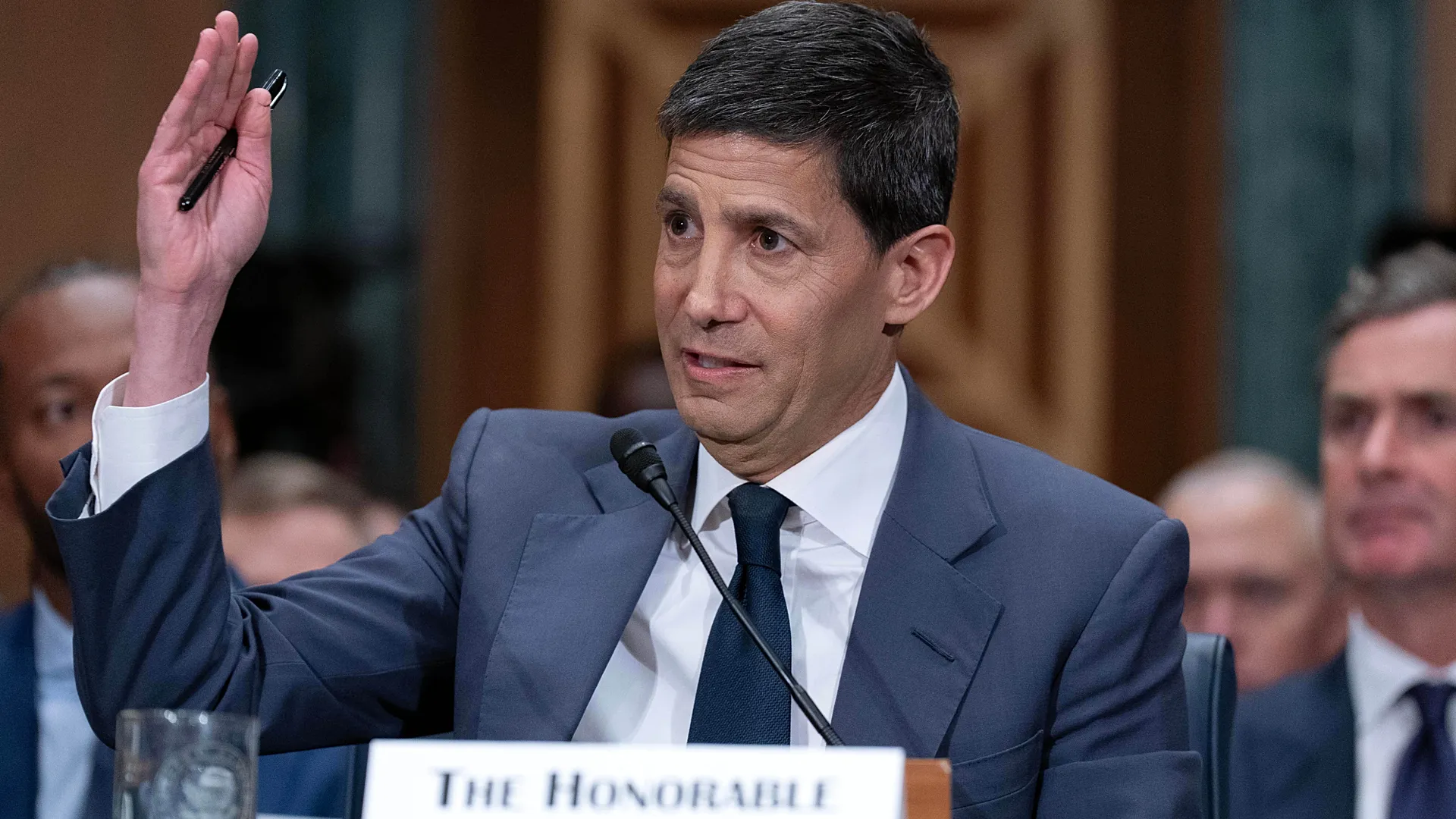
Independence becomes the real battlefield.
Washington, April 2026
Kevin Warsh walked into the Senate not only as a nominee to lead the Federal Reserve, but as a test case for how far political influence can stretch into the core of monetary power. Under direct questioning, including whether he would act as a “sock puppet” for Donald Trump, Warsh delivered a categorical rejection. He insisted that no agreement had been made with the White House regarding interest rates and that he would not accept any form of political instruction over monetary policy.
The exchange revealed more than a personal defense. It exposed the deeper tension surrounding the Federal Reserve at a moment of geopolitical and economic volatility. Lawmakers, particularly from the Democratic side, pressed Warsh on whether the central bank could remain autonomous while facing open pressure from the presidency for lower rates. The concern is not theoretical. It reflects a broader fear that monetary policy could be reshaped by political timelines rather than economic data.
Warsh’s strategy during the hearing was calibrated. He avoided direct political entanglements while repeatedly emphasizing the principle that central banking must remain analytically driven and institutionally insulated. He also denied that Trump had ever asked him to commit to a specific rate path, reinforcing his argument that public political pressure does not necessarily translate into operational control. Still, the skepticism in the room suggested that independence is no longer assumed. It must now be demonstrated under scrutiny.
What is at stake goes beyond a single nomination. The Federal Reserve sits at the intersection of inflation control, financial stability, and global market confidence. Any perception that its decisions are politically aligned risks weakening that credibility at a time when economic uncertainty is already elevated. Warsh may secure confirmation or face delays, but the hearing has already clarified the real issue: the future of the Fed is no longer just about policy direction. It is about whether institutional autonomy can survive in an increasingly politicized economic environment.
Detrás de cada dato, hay una intención. Detrás de cada silencio, una estructura.
Behind every datum, there is an intention. Behind every silence, a structure.