

 Phoenix 24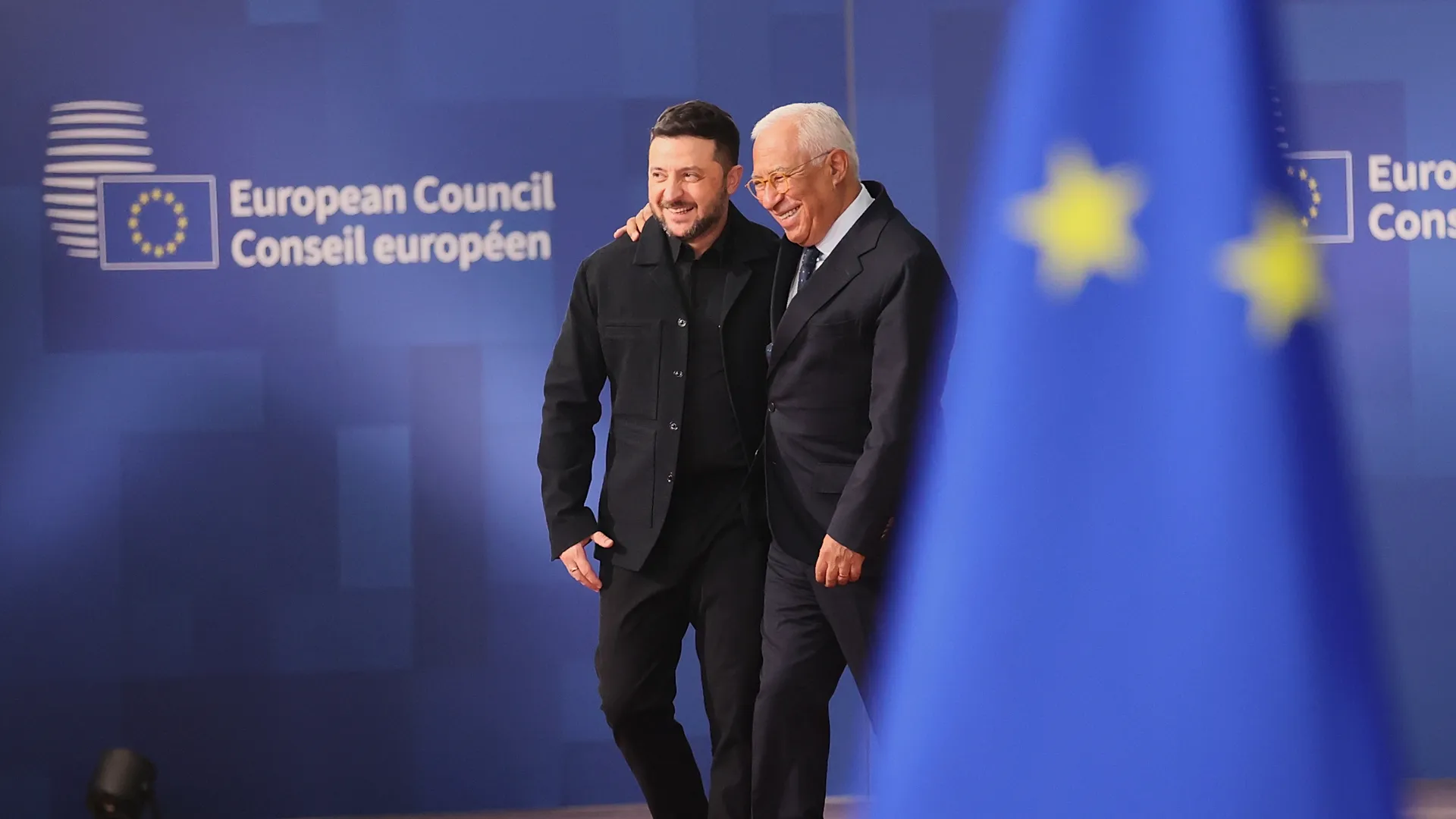
Brussels, April 2026
Europe just raised the financial stakes.
The European Union has launched the formal procedure to unlock a €90 billion loan package for Ukraine, breaking a period of internal obstruction that had exposed the bloc’s strategic fractures. The decision arrives at a moment when military endurance, fiscal continuity, and sanctions discipline are no longer separate files but parts of the same war architecture. What looks like a financial mechanism is, in reality, a geopolitical instrument with battlefield consequences. Brussels is not simply releasing money. It is reinforcing the material foundations of Ukraine’s resistance.
The importance of the package lies not only in its size, but in its structure and timing. A substantial portion is aimed at preserving the operational stability of the Ukrainian state, while the larger strategic share is tied to defense capacity and military support. That distribution reveals how the EU increasingly understands Ukraine not as a peripheral emergency, but as a central security front for the continent itself. The delay, however, showed the opposite side of European power. Internal bargaining, especially around energy dependence and national leverage, remains a vulnerability inside the Union’s decision-making core.
Hungary’s previous resistance made that vulnerability visible in unusually blunt form. The dispute reflected how infrastructure, oil routes, and national interest calculations can still interfere with collective wartime strategy, even under conditions of sustained regional conflict. Once those pressures were partially absorbed, Brussels moved forward with greater institutional coherence and linked the financing step to a broader sanctions push against Russia. That pairing matters because it confirms a dual-track doctrine now taking shape inside the EU. Support for Kyiv and pressure on Moscow are being operationalized as one integrated strategic logic.
The broader signal is unmistakable. Europe is acting less like a cautious diplomatic coalition and more like an entrenched geopolitical actor prepared to fund duration, absorb friction, and convert economic scale into strategic influence. The €90 billion loan is therefore not just assistance. It is a declaration that the war in Ukraine has been internalized as part of Europe’s own political and security future. In that sense, the package says as much about the EU as it does about Kyiv. It marks a Union that is still divided in method, but increasingly firm in direction.
Behind every datum, there is an intention. Behind every silence, a structure.“Europe’s War Credit Line Tightens”