

 Phoenix 24
The interface changes because control is shifting.
Cupertino, April 2026. The latest reports around iOS 27 suggest that Apple is preparing a more ambitious redesign than a routine annual software refresh. At the center of the update is Siri, which is expected to move closer to a chatbot-style experience with a more autonomous role inside the iPhone ecosystem. Rather than remaining a secondary voice layer, Siri appears to be evolving into a more visible and central interface for interacting with apps, information, and on-device intelligence. That shift matters because it suggests Apple is no longer treating artificial intelligence as an accessory feature, but as a structural layer of the operating system itself.
One of the most important rumored changes is the idea of a dedicated Siri app or a more distinct Siri presence on the home screen. If that happens, Apple would be signaling that the assistant is no longer confined to voice prompts or occasional utility. It would become a destination in its own right, with a persistent visual identity and a broader function across the device. This would mark a significant change in Apple’s design philosophy, which has traditionally preferred to hide complexity behind minimal interaction rather than foreground an assistant as a central operating hub.
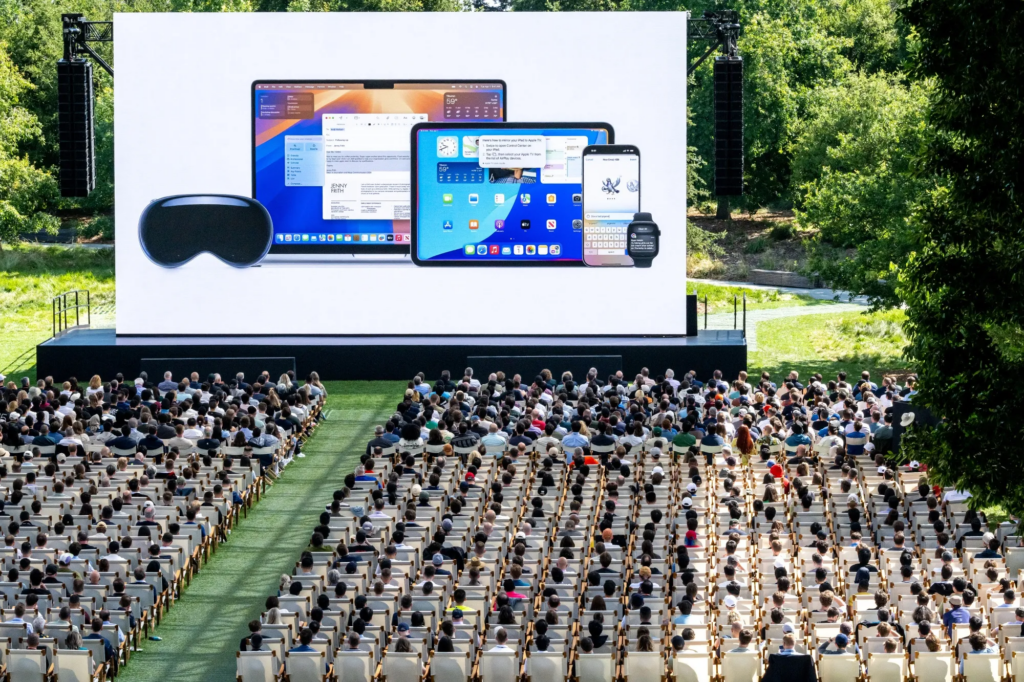
The home screen details now being discussed reinforce that interpretation. Reports indicate that Apple is testing small but meaningful customization improvements, including new undo and redo controls for home screen editing. On the surface, those changes seem modest. In practice, they fit a broader pattern in which the iPhone interface is being adjusted for a more fluid and reversible style of personalization, one better suited to an ecosystem where users increasingly manage widgets, AI tools, app layouts, and assistant-driven workflows in real time.
What makes these developments more significant is the strategic timing. Apple is moving into iOS 27 under pressure to show that its artificial intelligence roadmap can compete with more aggressive rivals without abandoning the stability and usability that define the iPhone brand. That is why many reports describe the update as a balance between deeper AI integration and software cleanup. Siri may become more capable and more visible, but the surrounding system is also expected to focus on refinement, performance, and the removal of legacy friction that could slow a broader AI transition.
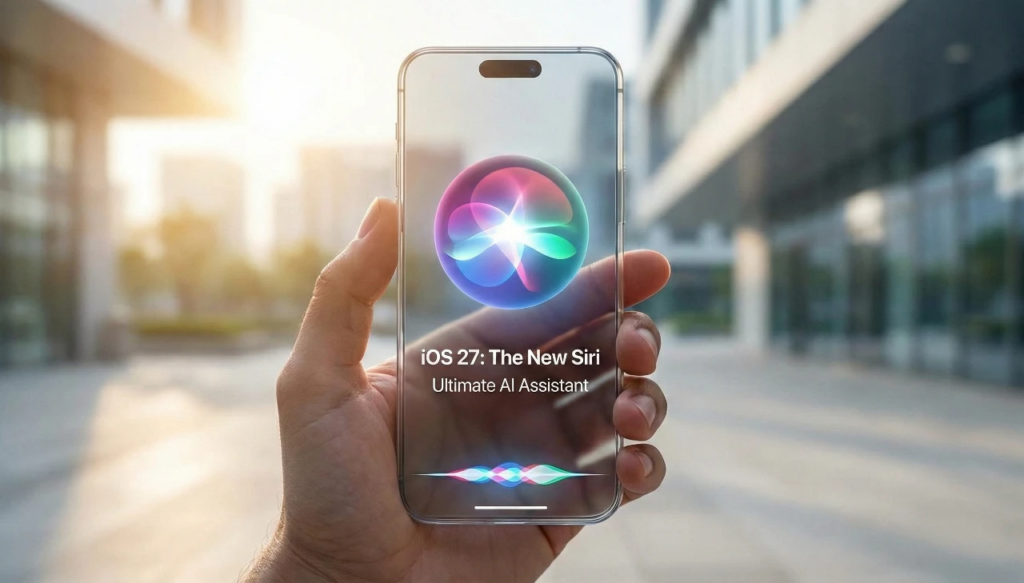
The Siri overhaul also appears tied to a more open architecture. Recent reporting has suggested that Apple is exploring ways for Siri to work with external chatbot systems rather than remaining limited to its own native layer. If that model is confirmed, it would represent one of the most consequential strategic shifts in Apple’s software history. The company would be acknowledging that AI utility now depends less on a closed assistant and more on an orchestrated environment in which multiple intelligence systems can be accessed through one Apple-controlled gateway.
That is where the home screen becomes more than a design matter. If Siri gains its own app-like presence and the interface becomes more adaptable, Apple is effectively redesigning the front door to the iPhone around intelligence rather than around static app icons alone. The traditional logic of the smartphone places the user in charge of choosing apps, opening tools, and navigating functions manually. An AI-centered logic places more emphasis on intent, conversation, and delegation. In that world, the operating system changes not just visually, but philosophically.
The deeper significance of iOS 27, then, is not any single feature. It is the possibility that Apple is beginning to reorganize the iPhone around an AI-mediated experience while trying to preserve the elegance and control that users expect from the brand. Siri’s rumored redesign and the home screen refinements point in the same direction: less friction, more fluidity, and a greater willingness to let intelligence sit closer to the center of the user experience. If that transition works, iOS 27 may be remembered not as another software update, but as the release in which Apple finally admitted that the interface era is giving way to the assistant era.
Behind every data point, there is an intention. Behind every silence, a structure.