

 Phoenix 24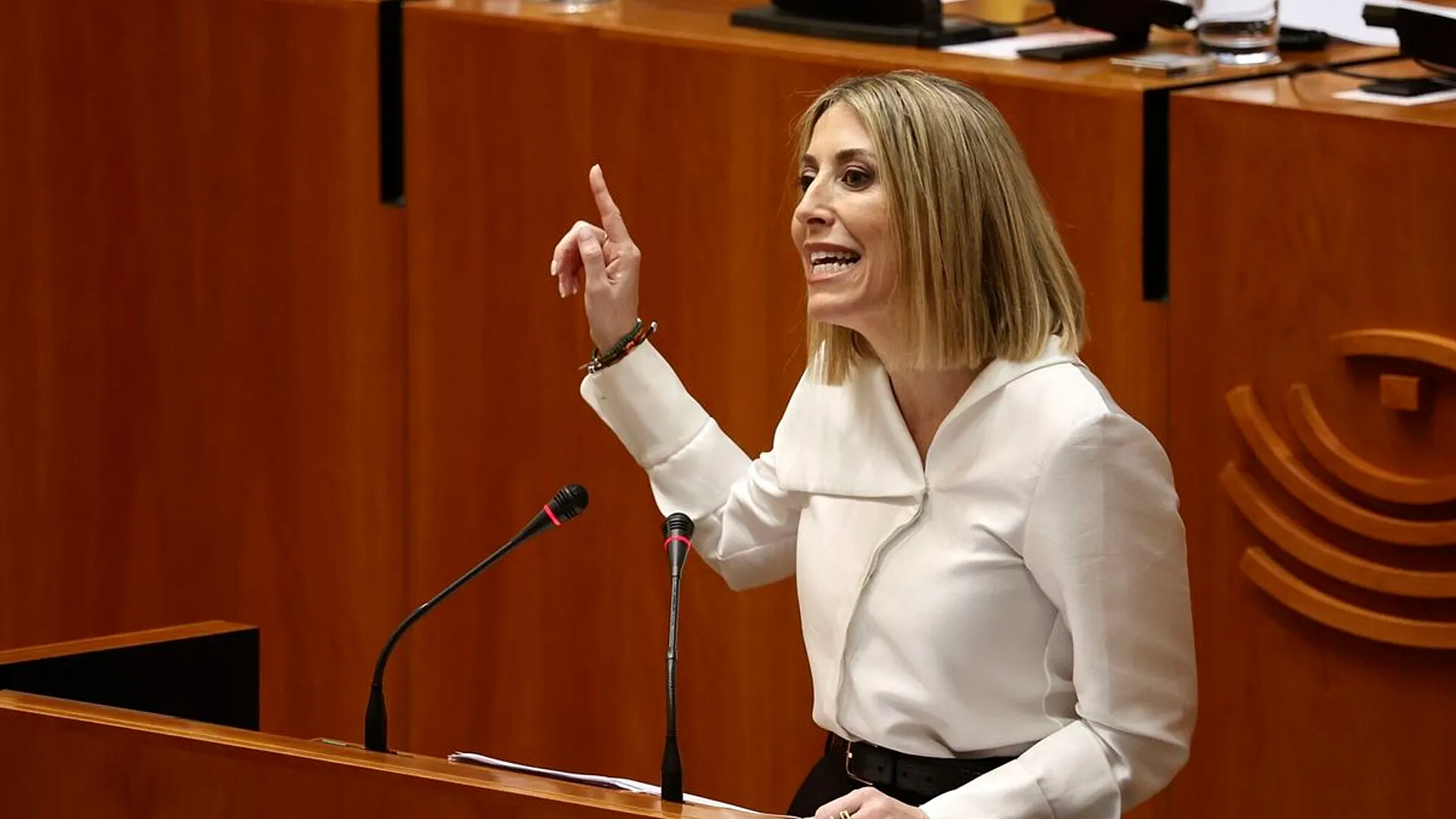
An alliance defended is an alliance normalized.
Mérida, April 2026. María Guardiola used her investiture speech to defend the governing pact between the Popular Party and Vox, arguing that the agreement would provide stability and would remain within the law. The speech mattered not only because it sought parliamentary backing, but because it tried to turn a once-politically toxic arrangement into something institutionally routine. That tonal shift is part of the real story: the alliance was no longer framed as an emergency compromise, but as a workable formula of government.
The significance of the moment extends beyond Extremadura. The pact has been interpreted as another sign that the boundary separating Spain’s traditional right from its radical right is becoming more permeable, especially on issues such as immigration, public assistance, and identity politics. Even when Guardiola moderated the rhetoric in her address, the political structure of the agreement still suggested that ideas once treated as fringe are moving closer to the operational center of conservative governance.
That is why this was not merely a regional investiture debate. It also functioned as a test case for the broader relationship between the mainstream right and Vox at a time when similar negotiations continue to affect political calculations across Spain. What emerged in Mérida was not just a local parliamentary deal, but a possible model for future territorial alliances in which legitimacy, power-sharing, and ideological accommodation advance together.
Outside the chamber, the reaction made clear that institutional normalization does not automatically produce social acceptance. Protests and public criticism reflected concern that this type of agreement could reshape the treatment of migration, civil rights, and the role of public-interest organizations. The friction matters because it reveals a widening gap between what political institutions are willing to absorb and what parts of society still regard as a red line.
What Guardiola defended, then, was more than an investiture pact. She defended a new threshold of acceptability in Spanish conservative politics. Once an alliance with Vox is presented in the language of order, legality, and durability, the strategic question changes. The issue is no longer whether such agreements are exceptional, but whether they are becoming an increasingly repeatable method of governance in Spain.
Behind every data point, there is an intention. Behind every silence, a structure.