

 Phoenix 24
Nostalgia now meets franchise logic.
Los Angeles, April 2026. Judy Greer has returned to the emotional orbit of 13 Going on 30, revisiting memories from the 2004 film and signaling that she would be open to returning as public interest in the property grows again. Her comments land at a moment when Hollywood continues mining familiar titles for new life, turning beloved mid-2000s films into possible reboot material, sequel bait, or streaming-era franchise assets. What could have remained a harmless exercise in nostalgia instead reveals something larger about the current entertainment economy. Memory is no longer just sentimental. It is developmental capital.
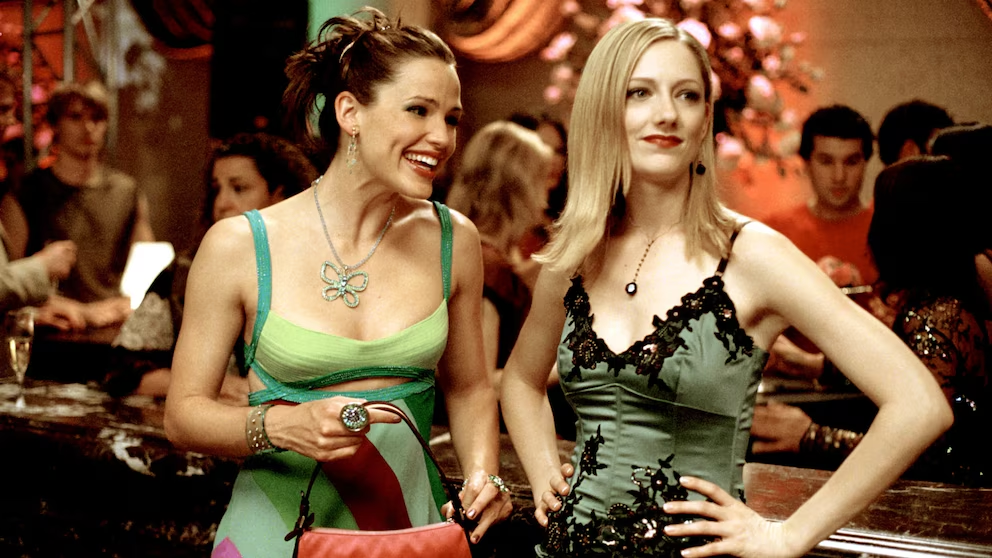
Greer’s role in the original film, playing Lucy “Tom-Tom” Wyman opposite Jennifer Garner’s Jenna Rink, has remained culturally sticky in a way that many supporting performances do not. Part of that endurance comes from the movie’s unusual afterlife. 13 Going on 30 was not merely a successful romantic comedy of its era. It evolved into a generational comfort film, one repeatedly rediscovered through television reruns, digital circulation, and social media nostalgia. That long tail matters because it transforms a single performance into a reusable brand element, especially when audiences still feel emotionally attached to the chemistry between the cast.
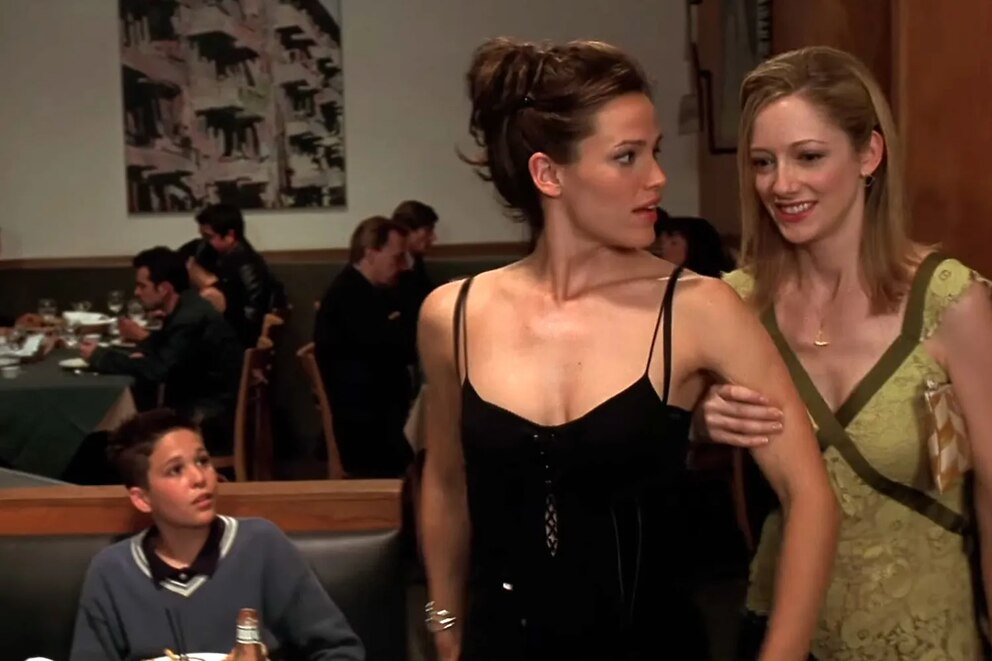
What Greer’s recollections underscore is how much of that attachment depends on specific scenes and tonal memory rather than on plot alone. Viewers do not hold onto films like this simply because they remember the story. They remember the feeling of the story, the comic timing, the emotional texture, and the recognizable personalities that gave the film its rhythm. When an actress like Greer looks back fondly on the production and speaks positively about the possibility of returning, she is not only feeding fan enthusiasm. She is helping reactivate the emotional infrastructure that makes a reboot commercially plausible.
That matters because Hollywood’s current reboot culture rarely operates by accident. Studios and platforms are not just reviving old titles because they lack imagination, though that criticism often contains truth. They are reviving titles because nostalgia now functions as a measurable asset in a fragmented attention economy. In an environment crowded by streaming releases, franchise universes, and algorithmic recommendation systems, familiarity lowers the cost of audience acquisition. A known title arrives with built-in recognition, affective memory, and cross-generational appeal. 13 Going on 30 fits that logic almost perfectly.

Greer’s willingness to return also says something about the changing status of legacy casts within the reboot economy. Once, an actor revisiting an old role could appear artistically regressive or commercially desperate. That stigma has weakened. Today, returning to a beloved property can signal cultural relevance, continuity, and even affection for the audience that sustained the original film. The reboot no longer needs to disown the past in order to justify itself. In many cases, it now depends on visible symbolic bridges to the original, whether through cameos, executive production roles, or carefully staged reunions.
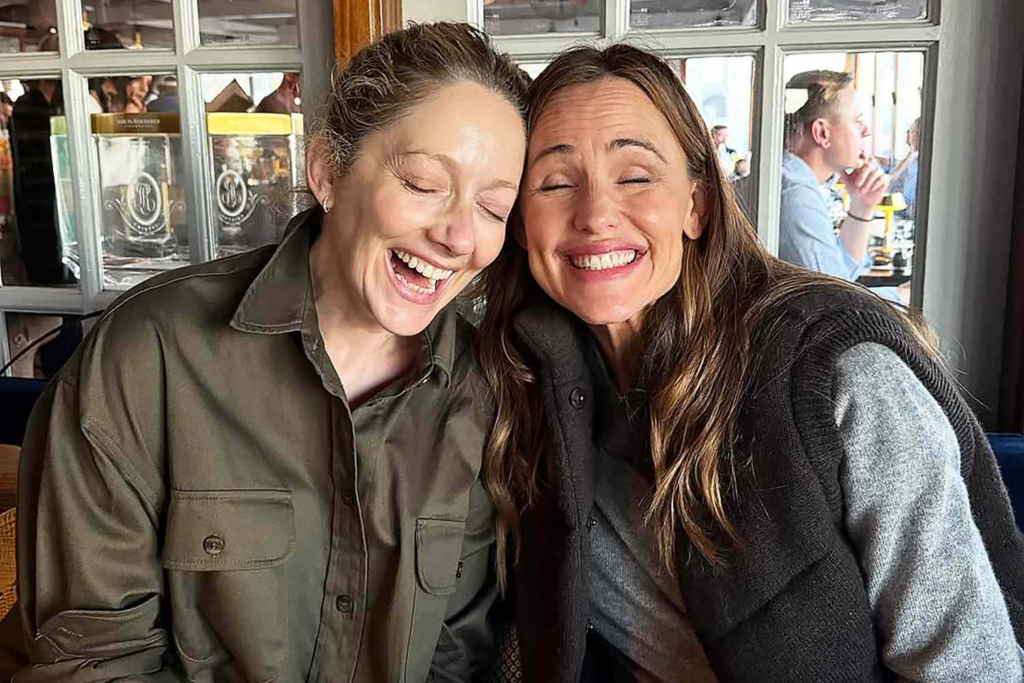
Jennifer Garner’s continued connection to the film’s legacy strengthens that dynamic further. Public reunions between Garner and Greer have already rekindled attention around the movie, reminding audiences that its appeal was not only narrative but relational. Fans often respond less to formal reboot announcements than to signs that the emotional chemistry of the original still exists off-screen. That is one reason why even casual comments from former cast members can generate disproportionate interest. The industry understands this well. Nostalgia becomes more bankable when it appears authentic rather than manufactured.
Still, the possibility of revisiting 13 Going on 30 raises a familiar risk. Not every beloved film benefits from franchise expansion, and not every memory improves when converted into serialized intellectual property. Some stories survive precisely because they remain self-contained, emotionally complete, and tied to the sensibility of a particular cultural moment. A reboot can revive interest, but it can also flatten what made the original distinct by forcing it into contemporary formulas of synergy, brand extension, and cross-platform familiarity. The question is not only whether audiences want more. It is whether the film’s original charm can survive industrial repetition.
That tension is especially sharp with romantic comedies from the early 2000s. Many of them are now treated as rediscoverable emotional brands, but they emerged from a different media environment, one less dominated by franchise thinking and less pressured to turn every successful story into an expandable universe. Reintroducing such a film today means translating its affect into a market that prizes repeatability over singularity. That can work, but only if the adaptation understands what should remain intact and what must be reimagined. Otherwise, nostalgia becomes a substitute for craft.
What Greer’s comments reveal, then, is not just an actress reminiscing about an old favorite. They expose the way entertainment now mines audience affection as a strategic resource, using memory as a bridge between legacy culture and present-day monetization. Her openness to returning feels warm and personal on the surface, but it also slots neatly into an industrial pattern where beloved films are rarely allowed to remain only beloved films. They are revisited, reframed, and reintroduced until memory itself becomes a development strategy.
If 13 Going on 30 does move further into reboot territory, it will do so with a significant advantage: audiences still seem to love not only the film, but the people who made it emotionally durable. That is not a trivial asset in a culture saturated with content and short on lasting attachment. Greer’s recollections matter because they remind viewers why the film remained alive in the first place. And in Hollywood now, the strongest franchise pitch is often the simplest one of all: people still care.
Every silence speaks.
Cada silencio habla.